
Tomato plants are a staple in home gardens across temperate and warm climates, prized for their juicy fruits and relative ease of cultivation. Yet even experienced gardeners encounter issues—among the most common and concerning is leaf curling. When once-vibrant foliage begins to twist, roll, or cup unnaturally, it’s a visible signal that something is amiss. While occasional leaf movement can be normal, persistent or widespread curling often indicates environmental stress, pest infestation, disease, or improper care. Understanding the root cause is essential to restoring plant health and ensuring a productive harvest. This guide examines the full spectrum of reasons behind tomato leaf curl, from harmless physiological responses to serious pathogenic threats, and provides clear, actionable strategies to diagnose and correct each scenario.
Definition & Overview
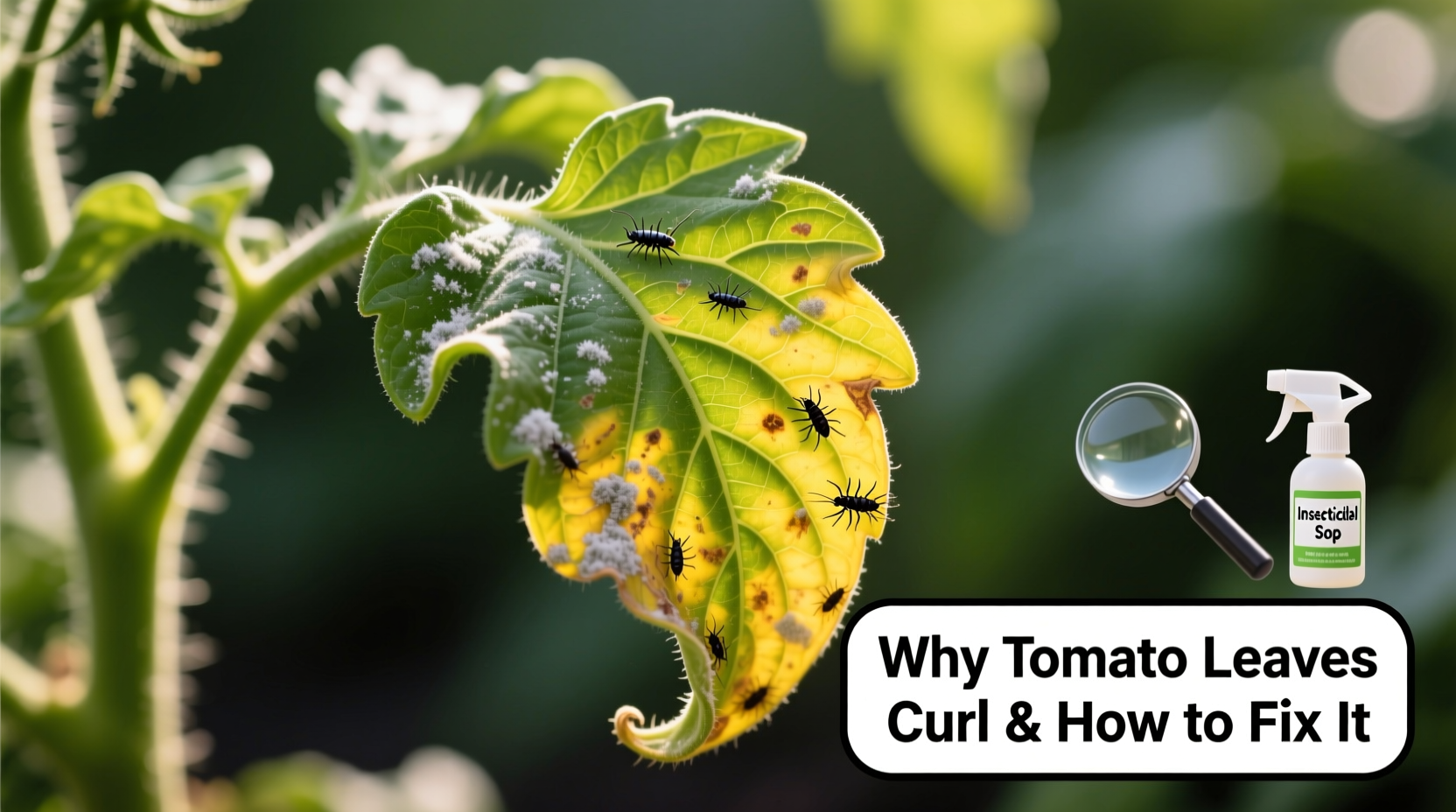
Leaf curl in tomato plants (Solanum lycopersicum) refers to the abnormal upward or downward rolling, twisting, or cupping of leaves, typically starting at the margins and progressing inward. It may affect young or mature foliage and can appear on one or all leaves of a plant. While the symptom is visually distinct, it is not a diagnosis in itself but rather an indicator of underlying stress. The condition may be temporary and reversible—or, if caused by pathogens such as viruses, potentially irreversible and contagious. Tomato leaf curl can stem from biotic factors (living agents like insects and microbes) or abiotic factors (non-living conditions such as water imbalance, temperature extremes, or chemical exposure). Accurate identification of the cause determines whether intervention can save the plant or if removal is necessary to protect others in the garden.
Key Characteristics of Leaf Curl in Tomatoes
The appearance of curled leaves varies significantly depending on the cause. Recognizing these differences is crucial for proper diagnosis:
| Cause Type | Leaf Appearance | Affected Leaves | Additional Symptoms |
|---|---|---|---|
| Physiological (Environmental) | Upward rolling, firm texture, no discoloration | Lower/mature leaves first | Plant otherwise healthy; fruit develops normally |
| Water Stress (Underwatering) | Dry, brittle, tightly curled leaves | All leaves, especially top growth | Wilting, soil cracking, stunted growth |
| Overwatering / Poor Drainage | Downward curling, yellowing, soft texture | Older leaves | Root rot signs, foul soil odor |
| Nutrient Deficiency (e.g., Phosphorus) | Purple undersides, tight curling | Lower leaves | Purple stems, slow growth |
| Herbicide Exposure | Twisted, strap-like new growth | New shoots and young leaves | Stem malformation, lack of flowering |
| Pest Infestation (e.g., Aphids, Whiteflies) | Distorted, sticky residue, mottling | Upper leaves and growing tips | Honeydew, sooty mold, visible insects |
| Viral Infections (e.g., Tomato Yellow Leaf Curl Virus) | Severe upward curl, yellow edges, stunting | New growth | Fewer flowers, small or absent fruit |
Common Causes and How to Diagnose Them
Not all leaf curl is created equal. The key to effective treatment lies in observation: timing, pattern, accompanying symptoms, and recent garden practices all offer diagnostic clues.
1. Physiological Leaf Roll (Involuntary Response)
This is the most benign form of curling, often seen in midsummer. Mature tomato leaves roll upward symmetrically, forming tight cylinders. It’s more common in indeterminate varieties and occurs as a survival mechanism during heat waves or high humidity. The plant redirects moisture and reduces surface area exposed to sun. No treatment is needed—fruit production continues unaffected. If only older leaves are involved and no other symptoms appear, this is likely the cause.
2. Water Imbalance
Inconsistent watering is a leading trigger. Underwatered plants curl leaves to reduce transpiration. Leaves become dry, leathery, and may brown at the edges. Overwatering causes oxygen deprivation in roots, leading to downward curling and chlorosis (yellowing). Check soil moisture: it should feel like a wrung-out sponge 2–4 inches deep. Use a moisture meter or finger test to avoid guesswork.
3. Nutrient Deficiencies or Excesses
Phosphorus deficiency causes tight curling and purpling of leaf undersides, particularly in cool soils where nutrient uptake slows. Potassium imbalance may lead to marginal scorch and cupping. Excess nitrogen promotes lush foliage but weakens structural integrity, increasing susceptibility to stress-related curl. A soil test (available through extension services) identifies specific deficits and prevents over-fertilization.
4. Herbicide Drift or Soil Residue
Tomatoes are extremely sensitive to synthetic herbicides like 2,4-D or dicamba. Even trace amounts drifting from nearby lawns or carried on clothing can distort new growth into narrow, twisted shapes. Symptoms appear within days of exposure. Avoid using lawn tools near tomatoes without thorough cleaning. Never compost grass clippings from chemically treated lawns.
5. Pest Activity
Sap-sucking insects such as aphids, whiteflies, and spider mites feed on leaf sap, injecting enzymes that distort tissue. Look for clusters on leaf undersides, sticky honeydew, or fine webbing. These pests also vector viral diseases. Inspect weekly with a hand lens, especially in humid conditions.
6. Viral Diseases
The Tomato Yellow Leaf Curl Virus (TYLCV), transmitted by whiteflies, causes severe stunting, upward leaf roll, yellow margins, and flower drop. Once infected, plants cannot be cured. Remove and destroy affected specimens immediately to prevent spread. Other viruses like Tobacco Mosaic Virus (TMV) cause mosaic patterns and distortion but less pronounced curling.
Diagnostic Tip: Isolate new plants before introducing them to your garden. Many viral infections originate from infected nursery stock. Always wash hands after handling tobacco products before touching tomatoes to avoid TMV transmission.
Practical Solutions and Corrective Actions
Treatment depends entirely on accurate diagnosis. Apply these targeted interventions based on observed symptoms:
For Environmental or Physiological Stress
- Maintain consistent soil moisture using drip irrigation or soaker hoses.
- Apply 2–3 inches of organic mulch (straw, shredded bark) to regulate temperature and reduce evaporation.
- Provide afternoon shade in regions with intense summer sun using shade cloth (30–50% density).
- Avoid pruning during heatwaves, which increases stress.
For Water-Related Issues
- Evaluate current watering frequency: tomatoes need 1–2 inches of water per week, more in hot weather.
- Water deeply and infrequently to encourage deep root development.
- Improve drainage in heavy clay soils by amending with compost or planting in raised beds.
- Use containers with adequate drainage holes and quality potting mix if growing in pots.
For Nutrient Management
Balanced nutrition supports resilience. Follow these guidelines:
- Before planting, amend soil with well-rotted compost and a balanced organic fertilizer (e.g., 5-5-5).
- If phosphorus is low, apply bone meal at planting time.
- Side-dress with potassium-rich sources (like sulfate of potash) during flowering and fruit set.
- Avoid high-nitrogen fertilizers once flowering begins—excess foliage competes with fruit development.
Pro Tip: Foliar feeding with liquid seaweed or fish emulsion every 2–3 weeks provides micronutrients and strengthens plant immunity without overloading roots.
For Pest Control
Early detection prevents outbreaks. Implement integrated pest management (IPM):
- Dislodge aphids with a strong jet of water.
- Introduce beneficial insects like ladybugs or lacewings.
- Use insecticidal soap or neem oil sprays on affected areas, applying in early morning or late evening to avoid leaf burn.
- Install reflective mulch (silver plastic) around plants to repel whiteflies.
- Monitor with yellow sticky traps placed just above canopy level.
For Viral Infections
No cure exists. Immediate action limits damage:
- Remove and bag entire infected plants—do not compost.
- Sanitize tools with 10% bleach solution or 70% isopropyl alcohol between cuts.
- Control whitefly populations with yellow traps and neem-based sprays.
- Choose resistant varieties labeled “TYLCV-resistant” (e.g., ‘Mountain Magic’, ‘Iron Lady’).
Variants & Types of Leaf Curl Patterns
Leaf curl manifests differently depending on causative agent. Recognizing these patterns aids in rapid response:
- Upward Rolling: Most often physiological or due to water stress. Leaves remain green and turgid.
- Downward Cupping: Suggests overwatering or root dysfunction. May precede yellowing.
- Twisting and Narrowing: Classic sign of herbicide exposure or virus infection.
- Marginal Curl with Yellowing: Indicates TYLCV or nutrient toxicity (e.g., boron excess).
- Leathery, Thickened Leaves: Seen in edema or chronic drought adaptation.
Some heirloom varieties naturally exhibit slight leaf curl or rugosity (wrinkled texture), which is genetic and harmless. Familiarize yourself with your cultivar’s typical appearance to distinguish normal traits from pathology.
Comparison with Similar Plant Disorders
Leaf curl can resemble other tomato ailments. Differentiating them prevents misdiagnosis:
| Condition | Key Differences from Leaf Curl |
|---|---|
| Blossom End Rot | Affects fruit (dark, sunken spots), not leaves; caused by calcium deficiency or irregular watering. |
| Fusarium or Verticillium Wilt | Leaves yellow between veins, wilt permanently, often on one side; vascular browning inside stem when cut. |
| Early Blight | Circular target-like spots with concentric rings; defoliation starts at bottom. |
| Spider Mite Damage | Fine stippling, webbing, bronze discoloration; curling is secondary to feeding. |
| Nutrient Burn | Brown leaf margins, tip dieback; results from over-fertilization, not structural curl. |
\"Misdiagnosing leaf curl can lead to unnecessary pesticide use or neglect of real problems. Observe holistically—check roots, stems, and fruit, not just leaves.\" — Dr. Elena Torres, Extension Horticulturist, University of California Cooperative Extension
Practical Tips & FAQs
Should I remove curled leaves?
Only if they are severely damaged, diseased, or pest-infested. Otherwise, leave them—they still photosynthesize. Removing too many leaves exposes fruit to sunscald.
Can I eat tomatoes from a plant with curled leaves?
Yes, in nearly all cases. Physiological curl, pests, and even most nutrient issues do not affect fruit safety. Only discard fruit if the plant shows systemic disease like TYLCV and fruit fails to develop properly.
How often should I water tomatoes?
Deeply 2–3 times per week, depending on climate and soil type. Container plants may need daily watering in peak summer. Aim for consistent moisture without saturation.
Are there tomato varieties resistant to leaf curl?
While no variety is fully immune, some tolerate stress better. Determinate types like ‘Celebrity’ and ‘Roma’ show fewer physiological curl issues. For virus resistance, choose cultivars bred for TYLCV tolerance (e.g., ‘Amelia’, ‘Jasper’).
Can mulching prevent leaf curl?
Yes. Organic mulch buffers soil moisture and temperature fluctuations, reducing stress-induced curl. Apply after soil has warmed in spring to avoid delaying growth.
What’s the best way to prevent herbicide damage?
Avoid using weed killers near vegetable gardens. Clean tools, gloves, and boots after working in treated lawns. Never use \"weed-and-feed\" products within 50 feet of edible crops.
Checklist for Preventing Tomato Leaf Curl:
- Test soil pH and nutrients before planting (ideal pH: 6.2–6.8).
- Use drip irrigation for consistent watering.
- Mulch heavily once soil warms.
- Inspect plants weekly for pests.
- Rotate crops annually to reduce soil-borne disease buildup.
- Choose disease-resistant varieties suited to your region.
- Sanitize tools and stakes between seasons.
Summary & Key Takeaways
Tomato leaf curl is a symptom, not a disease, and its meaning ranges from harmless to hazardous. The majority of cases stem from manageable environmental stresses like inconsistent watering, heat, or nutrient imbalance. These can be corrected with improved cultural practices—mulching, proper irrigation, and balanced fertilization. However, when curling is accompanied by stunting, yellowing, distorted growth, or poor fruit set, suspect pests or viral infection. Aphids, whiteflies, and herbicide exposure require immediate attention. Viruses like TYLCV demand plant removal to protect the rest of the garden. Accurate diagnosis hinges on close observation of symptom pattern, timing, and context. By understanding the distinctions between physiological response and pathological threat, gardeners can respond appropriately—preserving plant health, maximizing yield, and avoiding unnecessary interventions. Healthy tomatoes begin with attentive care and informed decision-making long before the first fruit ripens.
Monitor your plants daily during peak growing season. Early action saves crops. Share observations with local gardening groups or extension offices to stay ahead of regional pest and disease trends.




 浙公网安备
33010002000092号
浙公网安备
33010002000092号 浙B2-20120091-4
Comments
No comments yet. Why don't you start the discussion?