
Tomatoes splitting or cracking is a common frustration for gardeners and cooks alike. Whether you're growing your own or selecting the best specimens at the market, finding deep fissures or surface splits can ruin both appearance and texture. While split tomatoes are often still safe to eat, they spoil faster, attract pests, and are unsuitable for dishes where presentation matters. The causes are primarily environmental and physiological, rooted in how water moves through the plant and fruit. Understanding the science behind tomato splitting allows growers and consumers to take proactive steps—through consistent watering, proper harvesting, and smart storage—to preserve integrity and flavor. This article explores the mechanisms of cracking, identifies contributing factors, and provides actionable solutions for preventing it.
Definition & Overview
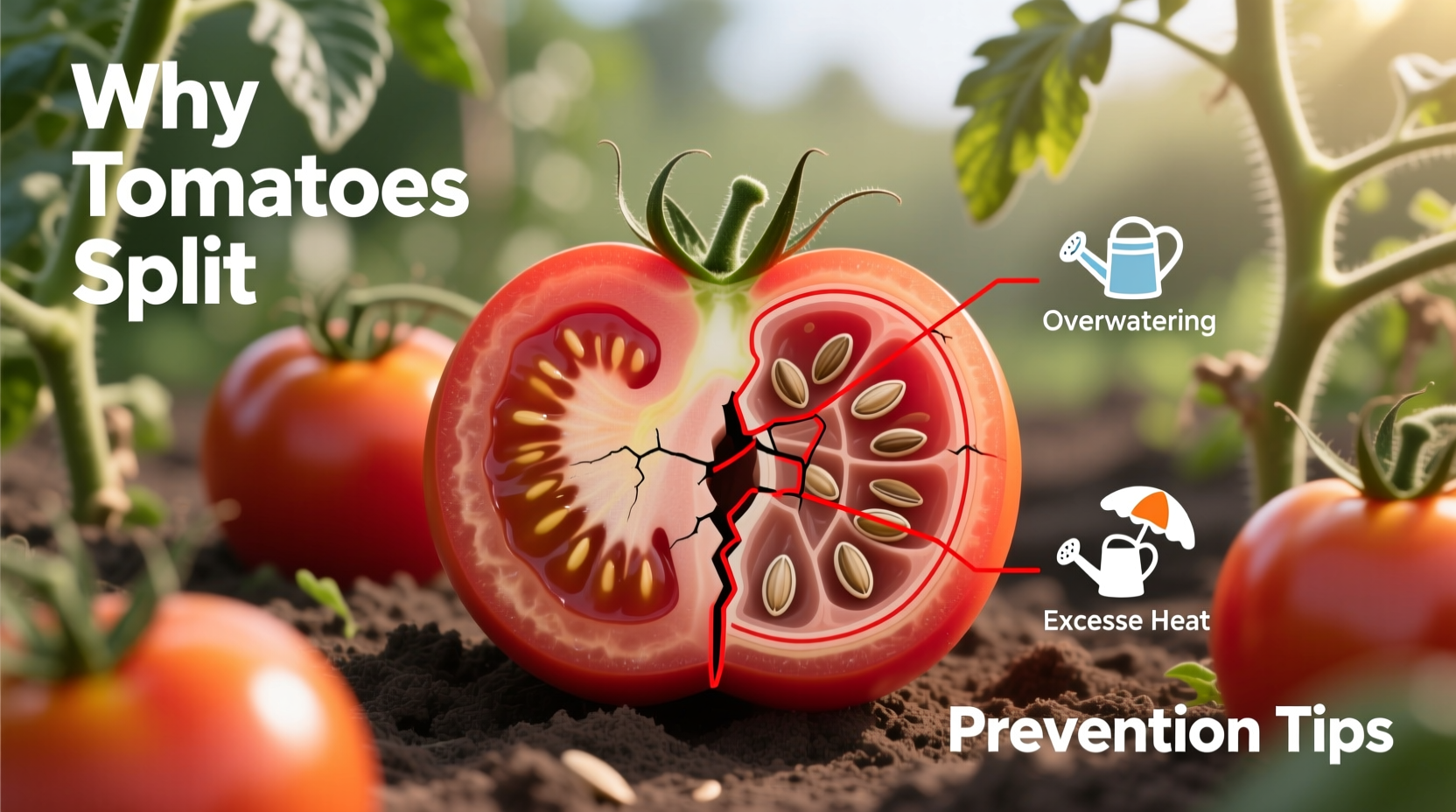
Tomato splitting, also known as cracking or radial cracking, refers to the formation of fissures on the skin of the fruit, typically radiating from the stem end (radial cracking) or encircling the shoulder near the calyx (concentric cracking). These splits occur when internal pressure within the fruit exceeds the structural capacity of the outer skin. Though not a disease, splitting is a physiological disorder influenced by rapid changes in moisture availability, varietal susceptibility, and maturity stage. It affects both green and ripe tomatoes but is most visible and problematic as fruits approach full ripeness.
The tomato (*Solanum lycopersicum*) is a climacteric fruit, meaning it continues to ripen after harvest due to ethylene production. Native to western South America, it has been cultivated globally for centuries and is now a staple in cuisines from Mediterranean pasta sauces to Indian curries and Mexican salsas. Its thin, taut epidermis protects a juicy interior filled with seeds and gel-like pulp. When that skin is compromised by splitting, the fruit becomes vulnerable to mold, insects, and accelerated decay.
Key Characteristics of Tomato Splitting
- Radial Cracking: Deep, spoke-like fissures extending from the stem scar down the sides; often irreversible and prone to infection.
- Concentric Cracking: Circular splits around the top shoulder of the fruit; may heal slightly if minor but usually worsens with time.
- Timing: Most common during late maturation or shortly after heavy rainfall following dry periods.
- Severity: Ranges from superficial micro-cracks to deep splits exposing seed chambers.
- Susceptibility: Thin-skinned varieties (e.g., heirlooms) are more prone than thick-skinned hybrids.
- Edibility: Mildly cracked tomatoes can be used immediately if no rot is present; deeply split ones should be discarded or composted.
Tip: If you notice small concentric cracks, harvest the tomato immediately and use it within 24 hours. This prevents further splitting and reduces spoilage risk.
Primary Causes of Tomato Splitting
The fundamental cause of tomato splitting is an imbalance between water uptake and skin elasticity. When a tomato has developed under dry conditions, its outer skin becomes less flexible. A sudden influx of water—whether from heavy rain, overzealous irrigation, or inconsistent watering—causes the inner tissues to swell rapidly. Because the rigid skin cannot expand quickly enough, tension builds until it ruptures.
1. Inconsistent Watering
This is the leading contributor to splitting. Letting soil dry out completely between watering sessions trains the plant to absorb water aggressively when it becomes available. During fruit development, this leads to abrupt expansion of the pulp, overwhelming the skin’s tensile strength. For example, allowing soil moisture to drop below 40% field capacity and then saturating it again increases splitting incidence by up to 70%, according to horticultural studies.
2. Post-Drought Rainfall
Outdoor-grown tomatoes are especially vulnerable after prolonged dry spells followed by thunderstorms. Roots draw in large volumes of water, funneling it directly into ripening fruits. Even well-mulched plants can experience significant cracking under such conditions.
3. Variety Genetics
Some cultivars have naturally thinner skins or higher internal turgor pressure, making them inherently more susceptible. Heirloom tomatoes like 'Brandywine' or 'Cherokee Purple' are prized for flavor but notoriously prone to cracking. In contrast, commercial hybrids such as 'Mountain Spring' or 'Celebrity' are bred specifically for crack resistance.
4. Overripe Fruit Left on the Vine
As tomatoes mature, their skin gradually loses elasticity. Leaving fully ripe fruits unharvested increases the likelihood of splitting, particularly if weather shifts occur. Ethylene production accelerates softening, further weakening structural integrity.
5. Temperature Fluctuations
Large diurnal temperature swings can exacerbate splitting. Cool nights slow transpiration, causing water retention, while warm days stimulate metabolic activity and expansion. This cycle stresses the fruit wall, especially in sensitive varieties.
\"Cracking isn't a sign of poor health—it's a mismatch between growth rate and skin resilience. Manage water, choose resilient types, and harvest promptly.\" — Dr. Elena Ruiz, Horticulturist, University of California Cooperative Extension
Practical Usage: How to Prevent Tomato Splitting
Preventing tomato splitting requires a combination of cultural practices, variety selection, and post-harvest handling. Whether you grow your own or want to avoid buying damaged produce, these strategies ensure better quality and longer shelf life.
1. Maintain Consistent Soil Moisture
Keep soil evenly moist—not soggy, not dry. Aim for 1–1.5 inches of water per week, adjusting for rainfall. Use a moisture meter or check manually by inserting a finger 2 inches into the soil; it should feel damp like a wrung-out sponge.
Drip irrigation or soaker hoses deliver water directly to roots without wetting foliage, reducing fungal risks and promoting steady uptake. Avoid overhead sprinklers, especially late in the day.
2. Apply Organic Mulch
Spread 2–3 inches of straw, shredded bark, or compost around the base of plants. Mulch buffers soil moisture fluctuations, reduces evaporation, and moderates root zone temperatures. Replenish as needed throughout the season.
3. Choose Crack-Resistant Varieties
When planning your garden, prioritize cultivars known for durability. Look for terms like “crack-tolerant,” “firm skin,” or “determinate” on seed packets. These are often bred for commercial production, where shipping durability is essential.
4. Harvest Slightly Early
Pick tomatoes when they reach mature green stage or first blush of color. They will continue ripening indoors on a countertop, away from direct sunlight, without exposure to sudden rain or dew. This method also reduces bird and insect damage.
5. Provide Proper Support
Caged or staked plants have better air circulation and are less likely to touch wet soil, which can contribute to uneven water absorption through the fruit itself. Keep fruits elevated and supported to minimize stress points.
6. Avoid Fertilizer Overload
Excessive nitrogen promotes lush vegetative growth at the expense of fruit quality. High nitrogen levels can lead to rapid cell expansion in the fruit, increasing splitting risk. Use balanced fertilizers (e.g., 5-10-10) and apply based on soil test results.
Actionable Checklist for Gardeners:
- Water deeply 2–3 times per week instead of daily shallow watering.
- Install drip irrigation for precision delivery.
- Mulch beds with organic material to retain moisture.
- Select crack-resistant hybrid varieties for outdoor planting.
- Harvest tomatoes just before peak ripeness during rainy seasons.
- Inspect plants after rainfall and remove any split fruit immediately.
Variants & Types: Tomato Cultivars and Their Susceptibility
Not all tomatoes respond the same way to environmental stress. Understanding the differences among types helps in selecting appropriate varieties for your climate and intended use.
| Variety Type | Examples | Skin Thickness | Splitting Risk | Best Use Case |
|---|---|---|---|---|
| Heirloom | 'Brandywine', 'Green Zebra', 'Black Krim' | Thin | High | Fresh eating, farmers markets, gourmet dishes |
| Hybrid Slicers | 'Celebrity', 'Mountain Fresh', 'Bella Rosa' | Medium-thick | Low to Moderate | Slicing, sandwiches, grilling |
| Cherry/Grape | 'Sun Gold', 'Sweet 100', 'Indigo Cherry Drops' | Thicker relative to size | Moderate | Snacking, salads, roasting |
| Plum/Roma | 'San Marzano', 'Amish Paste', 'Rutgers' | Thick | Low | Cooking, sauces, canning |
While heirlooms offer unmatched flavor complexity and visual appeal, their delicate skins make them unsuitable for regions with erratic rainfall. Hybrids, though sometimes criticized for milder taste, provide reliability and uniformity—ideal for home gardeners seeking low-maintenance yields. Cherry tomatoes, despite their small size, often resist splitting due to higher skin-to-volume ratio. Plum types, bred for processing, have dense flesh and tough exteriors that withstand pressure.
Comparison with Similar Issues: Splitting vs. Other Tomato Disorders
Tomato splitting is frequently confused with other surface defects. Correct identification ensures proper management.
| Condition | Appearance | Primary Cause | Prevention Strategy |
|---|---|---|---|
| Splitting/Cracking | Radial or circular fissures on skin | Water fluctuation, maturity | Consistent watering, early harvest |
| Blossom End Rot | Dark, sunken lesion on bottom of fruit | Calcium deficiency, inconsistent moisture | Lime soil, even watering, mulching |
| Anthracnose | Concentric sunken spots, often with spores | Fungal infection (Colletotrichum) | Rotate crops, remove infected fruit |
| Yellow Shoulder | Hard, yellow patches near stem | Poor ripening, heat stress, genetics | Choose resistant varieties, shade in extreme heat |
Unlike fungal diseases, splitting does not spread from fruit to fruit. However, open wounds create entry points for pathogens like *Botrytis* or bacteria, accelerating rot. Always remove split tomatoes promptly to protect healthy ones.
Practical Tips & FAQs
Q: Can I still eat a split tomato?
A: Yes, if the split is minor and there are no signs of mold, sliminess, or foul odor. Cut away the damaged area generously and use the remainder immediately in cooked dishes like sauces, soups, or roasted vegetable medleys. Do not refrigerate split tomatoes long-term—they degrade quickly.
Q: Does refrigeration cause tomatoes to split?
A: No. Refrigeration slows metabolism and extends shelf life but can dull flavor and alter texture. Splitting occurs before refrigeration, usually in the field or during ripening. However, condensation inside containers may soften existing cracks.
Q: Are greenhouse tomatoes less likely to split?
A: Generally, yes. Controlled environments allow precise regulation of humidity, temperature, and irrigation, minimizing water shocks. Commercial greenhouse operations use sensors and automated systems to maintain optimal conditions, significantly reducing cracking rates.
Q: Should I peel split tomatoes before cooking?
A: Peeling is unnecessary unless desired for texture. The split portion should be removed, but the rest can be used normally. For smooth sauces, pass through a food mill to eliminate skins and seeds.
Q: What role does calcium play in splitting?
A: While calcium strengthens cell walls and improves fruit firmness, splitting is not caused by calcium deficiency alone. However, adequate calcium—applied via lime or gypsum in acidic soils—can enhance skin resilience when combined with consistent watering.
Q: How do commercial growers prevent splitting?
A: Large-scale producers use integrated approaches: drought-tolerant rootstocks, anti-transpirant sprays to reduce water loss, windbreaks, and predictive weather monitoring. Some apply foliar potassium silicate to improve cuticle strength.
Storage Tip: Store intact tomatoes at room temperature, stem-side down, to reduce moisture accumulation at the top. Once cut or split, refrigerate in an airtight container and use within 1–2 days.
Summary & Key Takeaways
Tomato splitting is a preventable condition driven by abrupt changes in water availability, genetic predisposition, and harvest timing. While it doesn’t indicate spoilage, it compromises quality, safety, and usability. By understanding the underlying physiology, gardeners and consumers can take meaningful steps to avoid it.
- Consistency is key: Maintain even soil moisture using drip irrigation and organic mulch.
- Variety matters: Opt for crack-resistant hybrids in unpredictable climates.
- Harvest strategically: Pick tomatoes just before full ripeness, especially before forecasted rain.
- Inspect regularly: Remove split fruits immediately to prevent pest infestation and disease spread.
- Use wisely: Mildly cracked tomatoes are edible if used promptly; deeply split ones should be discarded.
Whether you’re cultivating a backyard patch or selecting ingredients for a summer caprese salad, attention to detail makes the difference between flawless, juicy tomatoes and disappointing splits. With informed care, you can enjoy blemish-free harvests season after season.
Want more expert gardening insights? Subscribe to our newsletter for monthly tips on growing, harvesting, and cooking with seasonal produce.




 浙公网安备
33010002000092号
浙公网安备
33010002000092号 浙B2-20120091-4
Comments
No comments yet. Why don't you start the discussion?