
The \"why u no\" meme is one of the internet’s most enduring linguistic quirks—simple in structure, yet wildly expressive. Emerging from early 2000s internet culture, it quickly became a staple of online humor, blending broken English with exaggerated emotion to convey frustration, sarcasm, or playful annoyance. While its grammar may be intentionally incorrect, its cultural resonance is undeniable. From social media captions to merchandise, the phrase has transcended its meme roots to become a recognizable part of digital vernacular.
Understanding the \"why u no\" meme isn’t just about laughing at a funny image—it’s about recognizing how internet language evolves, how communities shape communication, and why certain phrases stick while others fade. This article explores the origins, usage patterns, notable examples, and lasting influence of the \"why u no\" meme, offering insight into its place in internet history.
Origin: The Birth of Broken Grammar Humor
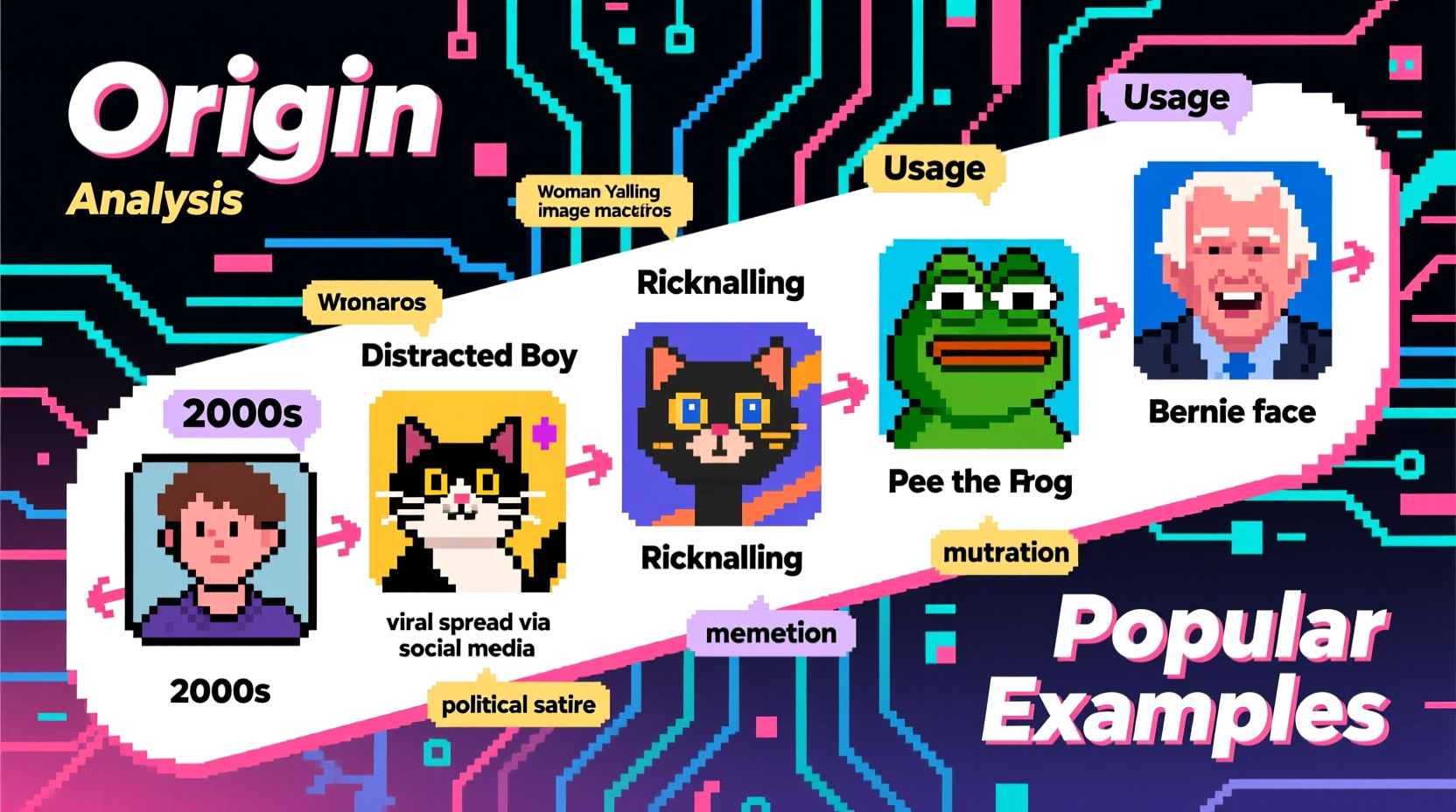
The \"why u no\" construction gained popularity through the broader \"lolcat\" phenomenon—a genre of image macros featuring cats with humorous, deliberately misspelled captions written in \"lolspeak.\" This pseudo-language mimics childlike or non-native English, using phrases like \"I can has cheezburger?\" and \"hai,\" turning grammatical errors into comedic devices.
The earliest known uses of \"why u no\" appeared on image-sharing platforms like 4chan and I Can Has Cheezburger around 2007–2008. One of the most iconic examples features a cat staring at a closed door with the caption: \"Why u no open?\" This simple question, absurd in context, captured a universal feeling of confusion and mild outrage—emotions easily projected onto a confused feline.
Lolspeak was more than just bad grammar; it was a form of linguistic playfulness that allowed users to subvert formal communication norms. By stripping away proper syntax, the meme created emotional immediacy. “Why u no” worked because it sounded childish, petulant, and honest—all at once.
“Lolspeak wasn’t random. It followed emerging patterns that felt both chaotic and rule-based. ‘Why u no’ became a template because it expressed disappointment with minimal words.” — Dr. Naomi Chen, Digital Linguistics Researcher, Stanford University
How the Meme Evolved: From Cats to Culture
While lolcats were the launchpad, \"why u no\" quickly escaped the confines of cat memes. By 2010, the phrase had been adapted to countless contexts: relationships, technology failures, politics, and even corporate marketing.
Its flexibility stemmed from its formulaic structure. The pattern \"Why u no + [verb]?\" could be applied to almost any situation where someone or something failed to meet expectations:
- Why u no reply to my text?
- Why u no work, computer?
- Why u no give me raise?
- Why u no rain, weather forecast?
This adaptability made it ideal for viral sharing. Users didn’t need to create original content—they could remix the template with personal frustrations, making the meme feel both universal and intimate.
Popular Examples That Defined the Meme
Certain iterations of the \"why u no\" meme achieved legendary status, circulating across forums, blogs, and even mainstream media. Here are three of the most influential:
- “Why u no let me in?” – A photo of a cat pawing at a closed door became one of the most shared variants. It symbolized rejection and helplessness, often used metaphorically in romantic or social situations.
- “Why u no have wifi?” – Paired with images of people looking distressed in cafes or airports, this version tapped into modern dependency on connectivity. It was widely used during early smartphone adoption years.
- “Why u no understand me?” – Frequently used in relationship memes, this variant blended humor with genuine emotional vulnerability, showing how memes can carry layered meanings.
Brands also adopted the meme for promotional campaigns. In 2011, Netflix tweeted “Why u no watch House of Cards?” during a server outage, blending self-awareness with fan engagement. Similarly, tech companies used it to acknowledge bugs or downtime in a relatable way.
Usage Guidelines: How (and When) to Use the Meme Today
While the peak of the \"why u no\" trend was in the late 2000s and early 2010s, it still appears in nostalgic posts, parody accounts, and retro-themed content. Knowing how to use it appropriately ensures your message lands without seeming outdated.
| Context | Appropriate Use | Avoid |
|---|---|---|
| Social Media (Casual) | Complaining humorously about slow internet: “Why u no load, website?” | Using it in professional emails or formal announcements |
| Meme Remixes | Pairing with vintage-style lolcat images for comedic effect | Presenting it as an original idea without acknowledging its roots |
| Brand Communication | Light-hearted customer service responses during minor glitches | Using it during serious crises (e.g., data breaches, outages) |
Mini Case Study: Reddit Revival
In 2020, a post on r/funny titled “Why u no remember my birthday?” resurfaced the meme format with a modern twist. The image showed a dog holding a sad gaze next to a half-eaten cupcake. Within 48 hours, it received over 200,000 upvotes and sparked dozens of spin-offs.
The success demonstrated that while the meme is dated, its emotional core—expressing disappointment in a humorous, low-stakes way—remains relevant. The subreddit’s audience appreciated the nostalgia factor combined with relatable content, proving that classic meme formats can enjoy second lives when repurposed thoughtfully.
Why the Meme Endures: Psychology and Cultural Impact
The staying power of \"why u no\" lies in its emotional authenticity. Despite the silly grammar, the phrase captures a raw human reaction: the moment when expectations clash with reality. Psychologists refer to this as “benign violation theory”—humor arises when something feels wrong but is clearly not threatening.
Additionally, the meme thrives on universality. Everyone has experienced the frustration of something not working, someone not responding, or plans falling apart. “Why u no” gives voice to those micro-moments of irritation in a way that’s exaggerated enough to be funny, but familiar enough to resonate.
It also reflects a broader shift in digital communication: the rise of informal, emotive language over polished prose. Platforms like Twitter (now X), TikTok, and Instagram reward brevity and personality. Phrases like “why u no” fit perfectly within that ecosystem, where tone often matters more than correctness.
Checklist: Using 'Why U No' Effectively in 2024
- ✅ Use only in casual, humorous contexts
- ✅ Pair with visuals (real or imagined) for maximum impact
- ✅ Keep the intent lighthearted—never use to shame or attack
- ✅ Acknowledge the meme’s history if referencing it directly
- ✅ Avoid overuse; novelty fades quickly with repetition
Frequently Asked Questions
Is 'why u no' considered offensive?
No, not inherently. However, context matters. If used to mock someone’s language skills or cultural background, it can come across as insensitive. Always ensure the joke is directed at the situation, not the person.
Can I use 'why u no' in professional settings?
Generally, no. While some creative industries may tolerate it in internal communications or social media, it’s too informal for reports, client emails, or presentations. Reserve it for casual or branded content with a playful tone.
Are there similar memes I should know about?
Yes. Other lolspeak classics include “I can has cheezburger?”, “Im in ur base, killin ur d00dz,” and “Ceiling cat is watching you.” These share the same blend of absurdity and broken grammar that defined early internet humor.
Final Thoughts: Embracing Internet History
The \"why u no\" meme may seem like a relic of dial-up days, but its influence persists in how we communicate online. It helped normalize playful language, encouraged user-generated content, and proved that humor doesn’t need perfect grammar to connect with millions.
More than just a punchline, it represents a moment in digital culture when the internet stopped trying to mimic real life and started creating its own rules. Today’s memes—from Drake templates to Skibidi Toilet—owe a debt to pioneers like \"why u no.\"




 浙公网安备
33010002000092号
浙公网安备
33010002000092号 浙B2-20120091-4
Comments
No comments yet. Why don't you start the discussion?