
In environments where lighting precision matters—be it product photography, detailed crafting, or studio work—a standard desk lamp often falls short. Enter the turntable lamp: a specialized lighting solution combining controlled illumination with 360-degree rotational capability. Unlike traditional lamps that fix light in one direction, a turntable lamp integrates a rotating base with an adjustable arm, enabling dynamic light positioning around an object. This unique combination delivers unmatched flexibility, consistency, and control, making it indispensable across creative, technical, and professional fields.
The Core Functionality of a Turntable Lamp
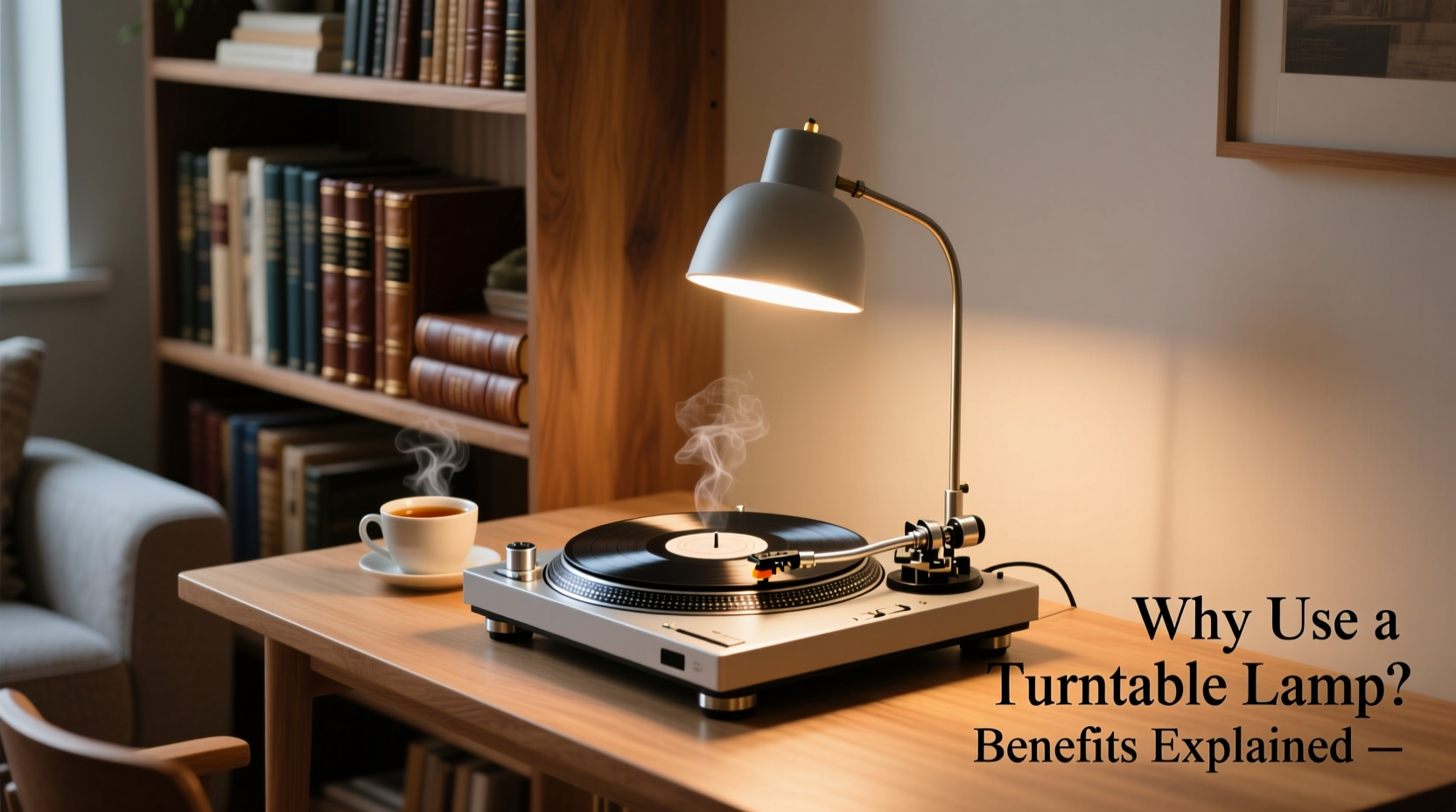
A turntable lamp consists of two primary components: a motorized or manual rotating platform (the turntable) and an articulated lamp with adjustable brightness, color temperature, and directional focus. The object to be lit sits on the turntable, which rotates slowly or in set increments, while the lamp remains stationary or is manually adjusted. This setup allows users to observe and photograph an object from all angles under consistent lighting conditions.
The integration of motion and light eliminates the need to reposition either the subject or the light source repeatedly. In contrast to hand-turning objects under fixed lighting—which introduces inconsistencies in shadows and exposure—the turntable lamp ensures smooth transitions and uniform illumination.
Key Benefits of Using a Turntable Lamp
The advantages of a turntable lamp extend beyond convenience. It fundamentally improves workflow efficiency, image quality, and task accuracy. Below are the most significant benefits:
- Consistent Lighting Angles: As the object rotates, light hits it from every side uniformly, reducing harsh shadows and eliminating blind spots.
- Improved Detail Visibility: Ideal for inspecting small items like jewelry, watches, or electronic components where subtle textures and finishes must be visible.
- Time Efficiency: Eliminates constant manual adjustments, saving time during photo shoots or quality inspections.
- Better Photographic Results: Enables seamless 360-degree product photography, essential for e-commerce platforms and digital catalogs.
- Ergonomic Workflow: Reduces physical strain by minimizing repetitive movements and awkward postures when examining objects.
- Versatility: Suitable for multiple applications including art restoration, scientific observation, and educational demonstrations.
“With a turntable lamp, we reduced our product photography time by 40% while achieving higher image consistency.” — Daniel Reeves, Studio Director at Lumina Visuals
Practical Uses Across Industries
The utility of a turntable lamp spans numerous fields. Its ability to combine motion with precise lighting makes it ideal in both professional and hobbyist settings.
E-Commerce and Product Photography
Online retailers rely heavily on high-quality visuals. A turntable lamp enables automated 360-degree spins, allowing photographers to capture every angle of a product without touching it between shots. This is crucial for maintaining continuity in lighting and focus, especially when creating interactive product views.
Jewelry and Watchmaking
Inspecting gemstones, engravings, or intricate watch mechanisms requires even illumination from all directions. A turntable lamp reveals flaws, reflections, and craftsmanship details that static lighting might miss.
Art and Restoration Work
Conservators use turntable lamps to examine paintings, sculptures, and antiques. Slow rotation under variable light helps detect cracks, pigment changes, or previous restorations invisible under fixed lighting.
Education and Demonstration
In classrooms or workshops, instructors can display three-dimensional models, fossils, or prototypes while students observe them from all sides without needing to pass the object around.
Digital Content Creation
Content creators producing unboxings, reviews, or craft tutorials benefit from the cinematic quality of rotating subjects under stable lighting, enhancing viewer engagement and clarity.
| Industry | Primary Use | Key Advantage |
|---|---|---|
| E-Commerce | Product photography | Automated 360° imaging |
| Jewelry | Inspection & appraisal | Glare-free surface analysis |
| Museums | Artifact examination | Non-invasive detail viewing |
| Education | Demonstrations | Group visibility enhancement |
| Film & Media | Prop showcasing | Professional-grade footage |
How to Choose and Set Up Your Turntable Lamp
Selecting the right turntable lamp depends on your specific needs. Consider the following factors before purchasing:
- Rotation Speed Control: Look for models with adjustable RPM settings. Slower speeds (1–3 rotations per minute) are better for photography; faster speeds suit quick inspections.
- Light Quality: Opt for full-spectrum LEDs with CRI (Color Rendering Index) above 90 to ensure accurate color representation.
- Adjustability: The lamp arm should allow vertical, horizontal, and swivel adjustments to target specific areas.
- Turntable Size & Weight Capacity: Ensure it can support your typical objects—small turntables handle up to 5 lbs, larger ones up to 20 lbs.
- Power Source: Battery-powered units offer portability but may lack sustained output; AC-powered models provide steady performance.
Mini Case Study: Enhancing Jewelry Sales Online
A boutique jewelry store in Portland struggled with low conversion rates despite high website traffic. Customers frequently asked for additional photos, indicating uncertainty about product appearance. After integrating a turntable lamp into their photography process, they began publishing interactive 360-degree views of rings and pendants. Within six weeks, return requests dropped by 30%, and average time spent on product pages increased by 70%. The owner attributed this improvement directly to the enhanced visual clarity provided by consistent, rotating illumination.
Frequently Asked Questions
Can I use a turntable lamp for video recording?
Yes. Many turntable lamps are designed specifically for video applications. With smooth rotation and flicker-free lighting, they produce professional-grade footage ideal for product videos, unboxings, or educational content.
Do turntable lamps work with reflective surfaces?
They do, but care must be taken. Use diffused lighting or softboxes in conjunction with the lamp to minimize hotspots and glare on mirrors, glass, or polished metal.
Is a motorized turntable necessary, or can I rotate manually?
Manual turntables are cheaper and sufficient for basic inspection, but motorized versions provide smoother, more consistent motion essential for photography and video.
Conclusion: Elevate Precision with Purpose-Built Lighting
A turntable lamp is more than a convenience—it’s a tool for precision, consistency, and professional presentation. Whether you're capturing the brilliance of a diamond, documenting a rare artifact, or teaching students about mechanical design, the synergy of motion and light unlocks new levels of clarity and efficiency. By investing in a well-designed turntable lamp, you’re not just improving illumination; you’re transforming how you interact with detail.




 浙公网安备
33010002000092号
浙公网安备
33010002000092号 浙B2-20120091-4
Comments
No comments yet. Why don't you start the discussion?