
Sudden cardiac arrest (SCA) strikes without warning and can happen to anyone, anywhere—at home, in the office, at the gym, or on the street. Unlike a heart attack, which is caused by blocked blood flow, SCA occurs when the heart’s electrical system malfunctions, leading to a dangerously irregular rhythm or complete cessation of effective beating. In these moments, every second counts. Immediate intervention with cardiopulmonary resuscitation (CPR) and an automated external defibrillator (AED) can mean the difference between life and death.
Despite their proven effectiveness, AEDs remain underutilized and misunderstood by the general public. This article explores the vital role of defibrillators in emergency response, explains why immediate defibrillation is crucial, and equips you with practical knowledge to respond confidently in a crisis.
The Science Behind Sudden Cardiac Arrest
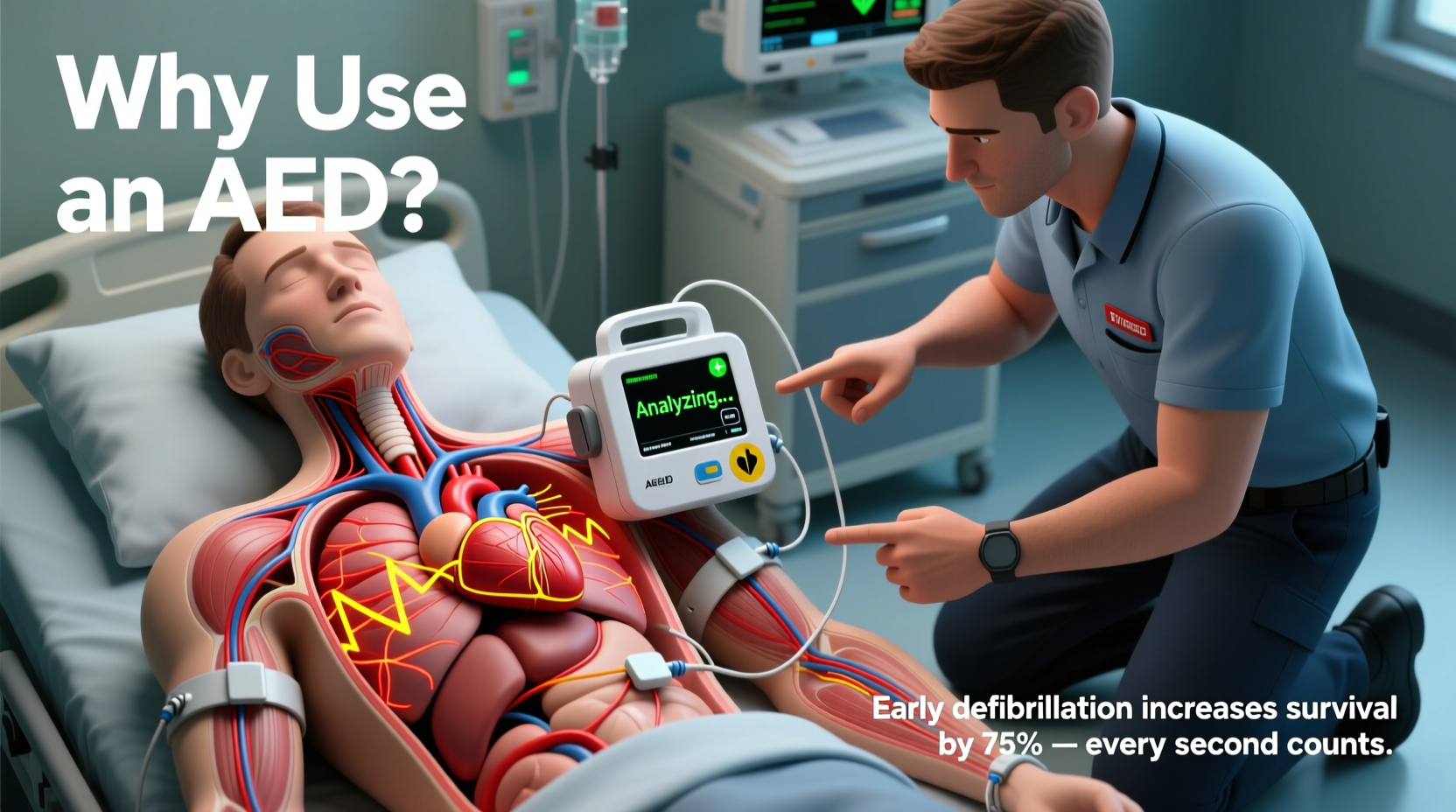
During sudden cardiac arrest, the heart typically enters a chaotic rhythm known as ventricular fibrillation (VF), where the lower chambers quiver instead of pumping blood. Without circulation, oxygen fails to reach the brain and vital organs. Brain damage begins within 4–6 minutes, and death often follows within 10 minutes if no action is taken.
CPR helps maintain minimal blood flow, but it cannot restore a normal heart rhythm. Only defibrillation—delivering an electric shock to the heart—can reset the electrical activity and allow the heart to resume effective pumping. This is where an AED becomes indispensable.
“Defibrillation is the only definitive treatment for ventricular fibrillation. For every minute that passes without defibrillation, survival rates drop by 7 to 10%.” — Dr. Robert Neumar, Former Chair, American Heart Association Emergency Cardiovascular Care
How AEDs Work: Simplicity Saves Lives
An AED is a portable device designed for use by laypeople and professionals alike. It automatically analyzes the victim’s heart rhythm and determines whether a shock is needed. If so, it guides the user through voice prompts to deliver the shock safely.
The process is straightforward:
- Turn on the AED and follow the spoken instructions.
- Attach the electrode pads to the person’s bare chest as illustrated on the pads.
- Stand clear while the device analyzes the rhythm.
- If a shock is advised, press the button (or let it deliver automatically, depending on the model).
- Resume CPR immediately after the shock until emergency services arrive.
AEDs are designed to be foolproof. They will not allow a shock to be delivered unless a shockable rhythm like VF or pulseless ventricular tachycardia is detected. This built-in safety feature ensures that bystanders cannot accidentally harm someone using the device.
Why Every Second Matters: The Chain of Survival
The American Heart Association outlines a “Chain of Survival” for sudden cardiac arrest, consisting of five critical links:
- Immediate recognition and activation of emergency response
- Early CPR
- Early defibrillation
- Advanced life support
- Integrated post-cardiac arrest care
Among these, early defibrillation is uniquely time-sensitive. Studies show that survival rates exceed 70% when defibrillation occurs within 3 minutes of collapse. However, this drops to less than 10% if delayed beyond 10 minutes. Given that emergency medical services (EMS) often take 8–12 minutes to arrive, especially in rural or congested urban areas, having an AED nearby is essential.
Real-World Impact: A Case Study
In 2022, a 52-year-old man collapsed during a morning meeting at a corporate office in Chicago. A colleague recognized the signs of cardiac arrest and immediately called 911. Another employee retrieved the company’s AED from the first-floor lobby. Within two minutes, CPR was underway, and the AED was applied. The device detected ventricular fibrillation and delivered a shock. The man regained a pulse before EMS arrived. He was hospitalized, made a full recovery, and returned to work six weeks later.
This case underscores a powerful truth: workplaces equipped with AEDs and trained personnel significantly increase survival odds. The company had invested in AED training and placement just eight months earlier—a decision that saved a life.
Where AEDs Should Be Available
While hospitals and ambulances are equipped with defibrillators, most SCAs occur outside medical settings—nearly 90% happen at home or in public spaces. To improve survival rates, AEDs must be accessible in high-traffic or high-risk environments.
| Location | Recommended AED Presence | Rationale |
|---|---|---|
| Airports & Train Stations | Yes – multiple units | High foot traffic; travelers may have underlying conditions |
| Gyms & Sports Facilities | Yes – mandatory in many regions | Physical exertion increases risk of SCA |
| Office Buildings | Strongly recommended | Dense population; stress and sedentary lifestyle factors |
| Schools & Universities | Required in many U.S. states | Protects students, staff, and visitors |
| Shopping Malls | Recommended | Public access; diverse age groups |
| Residential Homes | Consider for high-risk individuals | Most SCAs occur at home; rapid access saves lives |
Common Misconceptions About AEDs
Fear and misinformation prevent many people from using AEDs when needed. Addressing these myths is critical to improving response rates.
- Myth: AEDs are complicated and dangerous.
Truth: Modern AEDs are designed for non-medical users. Voice prompts guide each step, and the device will not shock unless necessary. - Myth: You can get shocked if you touch the person during defibrillation.
Truth: As long as you follow the AED’s commands and stand clear when prompted, you are safe. The shock travels only between the pads. - Myth: AEDs restart a stopped heart.
Truth: AEDs stop chaotic rhythms to allow the heart to reorganize its electrical activity. They do not “jump-start” a flatline (asystole).
Action Plan: How to Prepare for a Cardiac Emergency
Being prepared means more than just owning an AED. It involves awareness, training, and planning. Use this checklist to ensure readiness:
- ✅ Acquire an AED for your workplace, school, or community center
- ✅ Place AEDs in visible, accessible locations (e.g., near entrances, lobbies)
- ✅ Train staff or family members in CPR and AED use annually
- ✅ Register your AED with local emergency services (where available)
- ✅ Check battery and pad expiration dates monthly
- ✅ Post clear signage indicating AED locations
Frequently Asked Questions
Can anyone use an AED?
Yes. AEDs are designed for use by untrained bystanders as well as professionals. The voice-guided interface walks users through each step. Legal protections (Good Samaritan laws) exist in most countries to shield rescuers from liability when acting in good faith.
Is an AED useful for children?
Absolutely. Most AEDs can be used on children over 1 year old. Pediatric pads or a pediatric key (to reduce shock energy) are recommended for children under 8 years or weighing less than 55 pounds (25 kg). If unavailable, use adult pads—but don’t delay defibrillation.
What if I’m unsure whether someone is in cardiac arrest?
Look for unresponsiveness and abnormal or absent breathing (gasping is not normal). If in doubt, start CPR and use the AED. The device will analyze the rhythm and only advise a shock if needed.
Conclusion: Empower Yourself to Save a Life
Understanding why to use an AED is the first step toward becoming part of the solution in sudden cardiac emergencies. Defibrillators are not complex medical tools reserved for professionals—they are life-saving devices meant for everyday people. With proper placement, maintenance, and basic training, AEDs can dramatically improve survival rates in communities everywhere.
You never know when you might witness a cardiac arrest. By learning CPR, supporting AED accessibility, and encouraging training in your circle, you contribute to a safer, more resilient society. Don’t wait for tragedy to strike. Take action today—because someone’s heartbeat could depend on it.




 浙公网安备
33010002000092号
浙公网安备
33010002000092号 浙B2-20120091-4
Comments
No comments yet. Why don't you start the discussion?