
Makeup primer is no longer just a backstage secret reserved for professional artists—it’s become a staple in everyday beauty routines. While some still question whether it's truly necessary, those who use it regularly often notice a dramatic difference in how their makeup looks and lasts. More than just an extra step, primer serves as a functional foundation enhancer that prepares the skin for smoother application, improved wear, and a more polished finish.
The decision to incorporate primer into your routine isn’t about following trends; it’s about understanding what your skin needs and how to optimize your makeup performance. Whether you struggle with oily T-zones, dry patches, large pores, or makeup that fades by midday, there’s likely a primer designed to address your specific concerns. This guide breaks down the real benefits, explains the science behind its effectiveness, and helps you determine when—and how—to use it for the best results.
What Exactly Is a Makeup Primer?
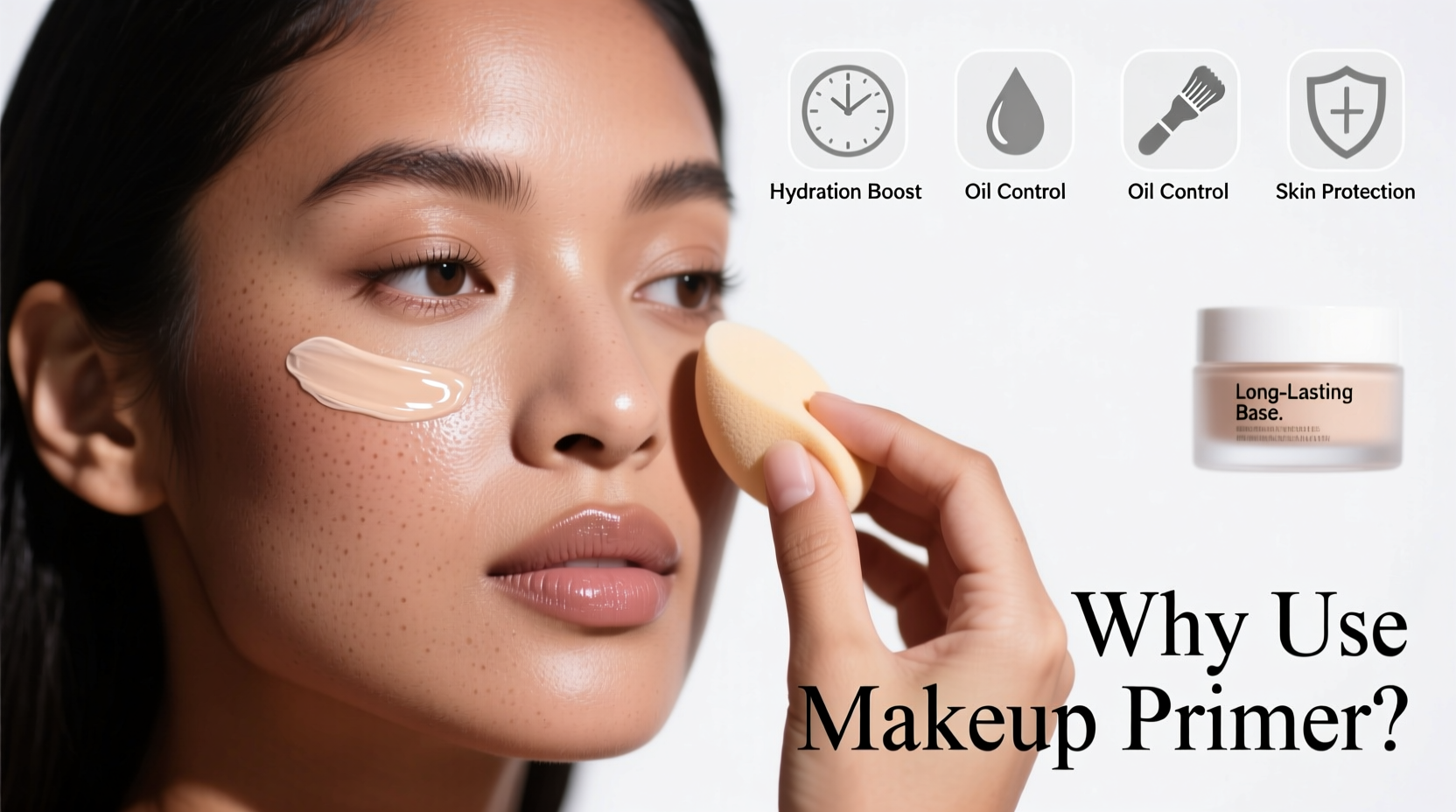
A makeup primer is a product applied after skincare and before foundation. Its primary purpose is to create an even surface that enhances makeup adherence and longevity. Think of it like the primer coat painters use before applying paint—it smooths imperfections, seals porous areas, and ensures the final layer goes on evenly.
Primers come in various formulas: silicone-based, water-based, hydrating, mattifying, color-correcting, and pore-filling. Each type targets different skin types and concerns. For example, someone with oily skin might choose a mattifying primer to control shine, while someone with dry skin may opt for a hydrating version enriched with hyaluronic acid.
“Primer isn’t just about making makeup last longer—it’s about creating a canvas that allows your skin to look its best under makeup.” — Diane Reyes, Celebrity Makeup Artist
5 Key Benefits of Using Makeup Primer
The advantages of using a primer extend beyond simply extending wear time. Here are five major reasons why makeup artists and dermatologists alike recommend incorporating it into your routine:
- Extends Makeup Longevity: Primer creates a barrier between your skin and makeup, reducing moisture transfer that can cause foundation to break down or oxidize. This means less touch-ups throughout the day.
- Smooths Skin Texture: Many primers contain blurring ingredients like silica or dimethicone that fill in fine lines and minimize the appearance of enlarged pores.
- Controls Oil and Shine: Mattifying primers absorb excess sebum, especially in the T-zone, helping prevent midday shine without drying out the skin.
- Enhances Foundation Application: By evening out skin texture and providing slip, primer allows foundation to glide on more evenly, reducing patchiness and streaking.
- Protects Skin from Makeup Build-Up: Some primers form a protective film that makes removal easier and reduces the risk of clogged pores over time.
How to Choose the Right Primer for Your Skin Type
Not all primers are created equal. Choosing the wrong one can lead to pilling, greasiness, or dryness. The key is matching the formula to your skin’s unique characteristics.
| Skin Type | Recommended Primer Type | Key Ingredients to Look For |
|---|---|---|
| Oily | Mattifying or oil-control | Niacinamide, clay, salicylic acid |
| Dry | Hydrating or illuminating | Hyaluronic acid, glycerin, squalane |
| Combination | Universal or balancing | Dimethicone, ceramides |
| Mature | Plumping or anti-aging | Peptides, antioxidants, light-diffusing particles |
| Acne-Prone | Pore-minimizing, non-comedogenic | Salicylic acid, niacinamide, zinc |
Real Example: A Workweek Transformation
Take Sarah, a marketing executive who spends her days in back-to-back meetings. She used to reapply foundation twice daily due to fading around her nose and shine across her forehead. After switching to a silicone-based pore-blurring primer on her T-zone and a hydrating primer on her cheeks, she noticed her foundation stayed intact until evening—with minimal touch-ups needed. Her confidence grew, and she saved time during lunch breaks previously spent fixing her makeup.
Step-by-Step Guide: How to Apply Primer Correctly
Even the best primer won’t deliver results if applied incorrectly. Follow this sequence for optimal effect:
- Complete Your Skincare Routine: Allow moisturizer and sunscreen to fully absorb (wait 3–5 minutes).
- Dispense a Pea-Sized Amount: Too much primer can cause pilling or interfere with foundation absorption.
- Warm Between Fingers: Especially important for thicker formulas to ensure even spreading.
- Apply Strategically: Focus on areas prone to oiliness, texture issues, or makeup breakdown (e.g., forehead, nose, chin).
- Let It Settle: Wait 60 seconds before applying foundation to allow the primer to form a smooth base.
Common Myths About Makeup Primer Debunked
Despite growing popularity, misconceptions persist. Let’s clarify a few:
- Myth: Primer causes breakouts. Reality: Non-comedogenic, properly formulated primers do not clog pores. In fact, some contain acne-fighting ingredients.
- Myth: You don’t need primer if you have good skin. Reality: Even flawless skin benefits from extended wear and improved texture smoothing.
- Myth: All primers are silicone-heavy and suffocating. Reality: Water-based and hybrid options exist that feel lightweight and breathable.
Frequently Asked Questions
Do I really need to use primer every day?
It depends on your goals. If you're wearing full coverage for a long event or workday, yes—it maximizes performance. For light makeup or casual days, it’s optional but still beneficial for enhancing finish.
Can I use moisturizer instead of primer?
No. While moisturizer hydrates, it lacks the binding agents and textural modifiers that help makeup adhere and stay put. Using moisturizer alone may even cause makeup to slide off faster, especially on oily skin.
Why does my primer pill when I apply foundation?
Pilling usually occurs due to incompatible product combinations, over-application, or not allowing enough drying time. Try reducing the amount, ensuring full absorption, or switching to a silicone-free foundation if using a silicone-based primer.
Checklist: Getting Started With Makeup Primer
Before adding primer to your routine, run through this quick checklist:
- ✅ Identify your main skin concern (oiliness, dryness, pores, redness)
- ✅ Select a primer type that matches your skin type and goal
- ✅ Patch test for sensitivity, especially if you have reactive skin
- ✅ Apply after moisturizer and sunscreen, before foundation
- ✅ Start with a small amount and adjust based on results
- ✅ Clean your applicators regularly to avoid bacteria buildup
Final Thoughts: Is Primer Worth It?
The answer is increasingly clear: yes, especially when used thoughtfully. Makeup primer isn't a luxury—it's a performance booster. It bridges the gap between skincare and cosmetics, giving you better-looking results with less effort. Whether you’re preparing for a wedding, a job interview, or just want to feel put together on a regular Tuesday, primer offers tangible benefits that compound over time.
It’s not about adding more steps blindly, but about working smarter. When chosen correctly and applied properly, primer enhances your natural beauty, supports skin health, and makes your entire makeup routine more efficient and satisfying.




 浙公网安备
33010002000092号
浙公网安备
33010002000092号 浙B2-20120091-4
Comments
No comments yet. Why don't you start the discussion?