
In 1492, a Genoese navigator named Christopher Columbus set sail across the Atlantic Ocean with three ships—the Niña, Pinta, and Santa María—under the sponsorship of Spain’s monarchs, Ferdinand and Isabella. His goal was to find a westward sea route to Asia, but instead, he landed in the Caribbean, initiating one of the most consequential encounters in human history. While Columbus never set foot on the North American mainland, his voyages opened a new era of transatlantic exploration, colonization, and global transformation. The importance of his expeditions lies not just in geographic discovery, but in their profound and lasting impact on world history, economics, culture, and demographics.
The Historical Context of Columbus’s Expeditions
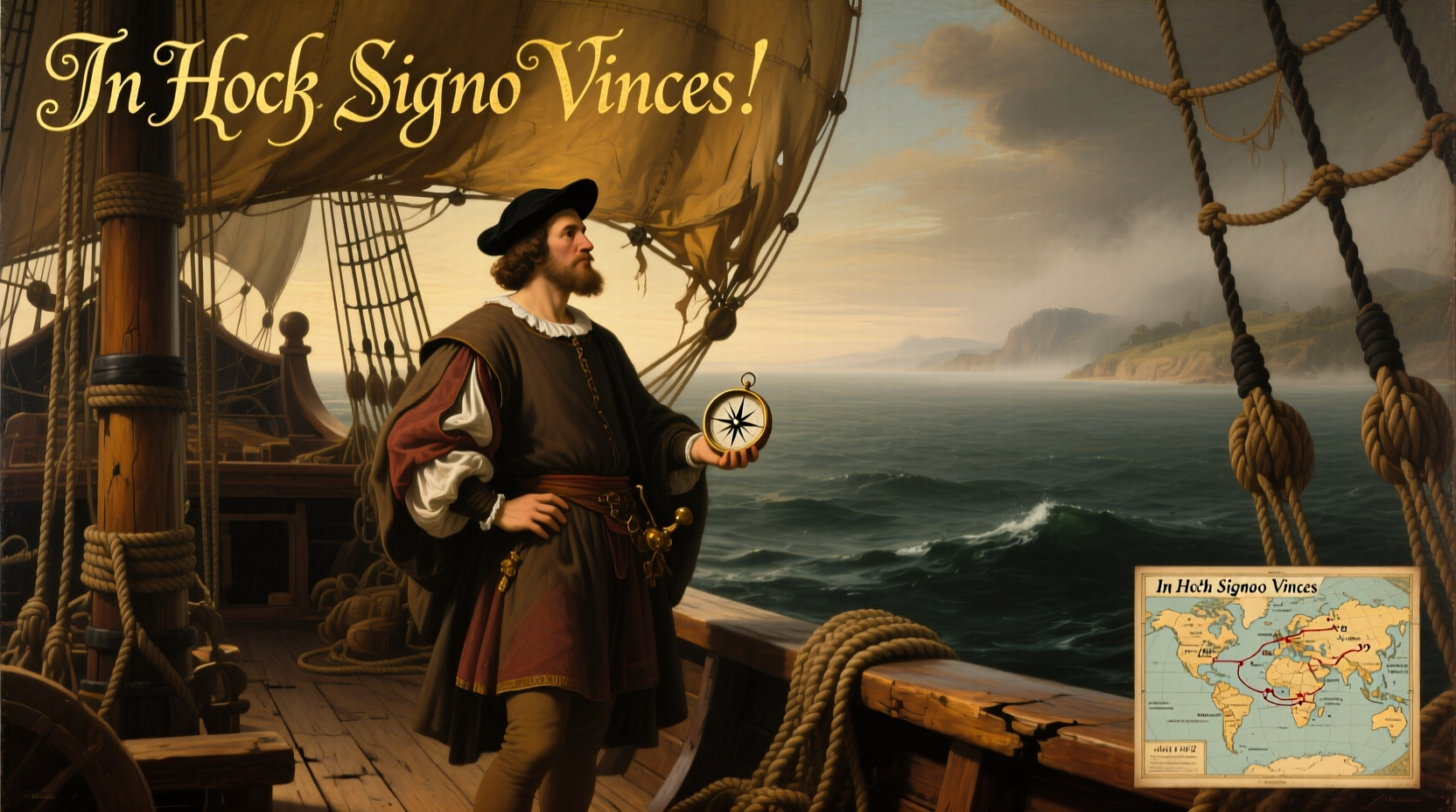
By the late 15th century, European powers were eager to bypass traditional overland trade routes to Asia, which were controlled by Middle Eastern and Venetian merchants. Spices, silk, and precious goods from India and China were highly sought after, and finding a direct maritime path promised immense wealth and influence. Portugal had already made progress sailing around Africa, but Columbus proposed a bold alternative: sailing west across the uncharted Atlantic.
Despite widespread misconceptions, educated Europeans at the time knew the Earth was round. However, many doubted Columbus’s calculations, believing Asia lay much farther than he estimated. After being rejected by Portugal, England, and France, he finally secured backing from Spain. On August 3, 1492, he departed from Palos de la Frontera with approximately 90 men. After ten weeks at sea, land was sighted on October 12—a small island in the Bahamas, which Columbus named San Salvador.
“Columbus thought he had reached the Indies. He called the people he met ‘Indians,’ and that misnomer stuck for centuries.” — Dr. Susan M. Schulten, Historian of Cartography and Exploration
Major Voyages and Geographic Discoveries
Columbus completed four voyages between 1492 and 1504, each expanding European knowledge of the Western Hemisphere:
- First Voyage (1492–1493): Discovered the Bahamas, Cuba, and Hispaniola. Established initial contact with the Taíno people.
- Second Voyage (1493–1496): With 17 ships and over 1,000 men, Columbus returned to colonize the region. Founded La Navidad, the first European settlement in the Americas.
- Third Voyage (1498–1500): Explored the coast of South America near present-day Venezuela. First European to see the Orinoco River.
- Fourth Voyage (1502–1504): Searched for a passage to the Pacific but was stranded in Jamaica for nearly a year. Reinforced Spanish claims in Central America.
Though Columbus never realized he had encountered a “New World,” his reports convinced the Spanish crown of the region’s potential. His explorations laid the foundation for Spain’s vast colonial empire in the Americas.
Economic and Global Trade Transformations
The voyages triggered what historians call the Columbian Exchange—the widespread transfer of plants, animals, culture, human populations, technology, and diseases between the Old and New Worlds. This exchange dramatically altered agriculture, diets, and economies on both sides of the Atlantic.
| From the Americas | To the Americas |
|---|---|
| Maize, potatoes, tomatoes, tobacco, cacao | Horses, cattle, wheat, sugar cane, coffee |
| Sweet potatoes, beans, squash | Pigs, sheep, chickens, citrus fruits |
| Syphilis (debated origin) | Smallpox, measles, influenza |
The introduction of American crops like potatoes and maize into Europe contributed to population growth due to increased food security. Conversely, European livestock transformed indigenous lifestyles—especially among Plains tribes who later adopted horse-based cultures.
But the economic impact wasn’t balanced. Spain extracted vast quantities of gold and silver, particularly from mines in Mexico and Peru. This influx of wealth fueled European inflation and helped finance wars, while also establishing mercantilist systems that exploited colonial resources for metropolitan gain.
Colonialism, Cultural Encounters, and Human Cost
Columbus’s arrival marked the beginning of European colonization in the Americas. What followed was a complex mix of cultural exchange, conflict, and exploitation. The Taíno population of Hispaniola, estimated at 250,000 to one million, declined rapidly due to forced labor, warfare, and disease. Within decades, their society was nearly eradicated.
While Columbus himself did not initiate large-scale slavery, he sent thousands of indigenous people back to Spain as slaves and authorized enslavement of those who resisted Spanish rule. His governance as governor of the Indies was marked by cruelty and mismanagement, leading to his arrest and return to Spain in chains in 1500.
“The legacy of Columbus is not simply one of discovery, but of disruption. Entire civilizations were upended within a generation.” — Dr. David E. Stannard, Author of *American Holocaust*
Nonetheless, his voyages inspired other explorers—like Vasco Núñez de Balboa, Hernán Cortés, and Francisco Pizarro—to push deeper into the Americas, accelerating conquest and conversion efforts under the banner of God, gold, and glory.
A Mini Case Study: The Fate of La Navidad
On his first voyage, Columbus left 39 men at La Navidad, a makeshift fort on Hispaniola, instructing them to gather gold and establish relations with locals. When he returned on his second voyage, he found the settlement destroyed and all men dead. Accounts suggest internal conflict among the Spaniards, theft, and sexual violence toward Taíno women led to retaliation.
This incident illustrates the fragility of early colonial efforts and the cultural misunderstandings that doomed peaceful coexistence. It also signaled the beginning of violent confrontation rather than cooperation—a pattern repeated across the hemisphere.
Why Columbus Remains a Controversial Figure Today
For centuries, Columbus was celebrated as a heroic discoverer. In the U.S., Columbus Day became a federal holiday in 1937, symbolizing Italian-American pride and the spirit of exploration. Yet modern scholarship has reevaluated his legacy in light of colonial violence and indigenous suffering.
Many now argue that honoring Columbus overlooks the trauma inflicted on Native peoples. As a result, cities across the U.S. have replaced Columbus Day with Indigenous Peoples’ Day, reframing the narrative to acknowledge resilience and survival.
Frequently Asked Questions
Did Christopher Columbus discover America?
No. Indigenous peoples had inhabited the Americas for tens of thousands of years before Columbus arrived. Additionally, Norse explorer Leif Erikson reached North America around the year 1000 CE. Columbus’s importance lies in initiating sustained European contact, not in being the first to arrive.
Why do some people oppose celebrating Columbus Day?
Critics argue that celebrating Columbus glorifies colonization, which led to genocide, displacement, and cultural destruction for Native Americans. They advocate for recognition of indigenous histories and contributions instead.
What would have happened if Columbus hadn’t sailed in 1492?
European expansion into the Americas was likely inevitable due to growing maritime technology and economic pressures. Someone else—perhaps the Portuguese or English—might have made similar contact shortly thereafter. But Columbus’s success accelerated Spain’s dominance in the early colonial race.
Conclusion: Reassessing a Legacy of Impact
Christopher Columbus was neither the first to cross the Atlantic nor the most enlightened of explorers. Yet his voyages undeniably changed the course of history. They launched an age of global interconnection, reshaped economies, introduced new foods worldwide, and set in motion centuries of migration and cultural fusion.
At the same time, this transformation came at an enormous human cost—one that continues to shape discussions about justice, memory, and identity. Understanding Columbus’s importance means acknowledging both the scale of his impact and the moral complexities it entailed.




 浙公网安备
33010002000092号
浙公网安备
33010002000092号 浙B2-20120091-4
Comments
No comments yet. Why don't you start the discussion?