
Sean \"Diddy\" Combs, one of hip-hop’s most influential moguls, has long stood at the intersection of music, fashion, and controversy. Recently, public attention has intensified around his legal challenges, particularly questions about whether he has served jail time and the status of any appeals related to past convictions. While Diddy has not been incarcerated as of mid-2024 for a criminal conviction, his history includes a high-profile arrest and trial that shaped both his personal trajectory and public perception. This article examines the facts behind Diddy’s brush with the law, the 1999 nightclub shooting case, the subsequent conviction, and the appeal process that followed—offering clarity amid widespread misinformation.
The 1999 Manhattan Center Shooting Incident
In December 1999, a violent altercation erupted outside New York City’s Club New York, following a dispute between rival entourages. The incident involved Sean Combs, then known as Puff Daddy, record producer Steve Stoute, and rapper Shyne (then Jamal Barrow). Gunfire broke out, injuring several bystanders. Though no one died, the event triggered immediate police response and national media coverage.
Diddy and Shyne were arrested and charged with weapons possession and assault. Prosecutors alleged that Combs had incited the violence and was in possession of a firearm. The trial became a cultural flashpoint, symbolizing tensions around celebrity accountability, gun violence, and racial bias in the justice system.
Conviction and Legal Outcome
In 2001, after a highly publicized trial, Diddy was acquitted of all major charges, including assault and attempted murder. However, he was convicted on a single count of illegal possession of a weapon in a vehicle. The charge stemmed from a handgun found in his SUV during a search after the incident.
Despite the relatively minor nature of the conviction compared to the initial allegations, the outcome carried significant consequences. He faced up to ten years in prison but ultimately received five years of probation, a $50,000 fine, and 300 hours of community service. Notably, he avoided incarceration due to the sentencing discretion afforded by the judge and his clean prior record.
Shyne, meanwhile, was convicted on multiple counts, including assault and reckless endangerment, and sentenced to ten years in prison—a stark contrast that sparked debates about privilege and justice disparities.
“Cases like Combs’ reveal how legal outcomes can diverge dramatically even among co-defendants. Celebrity status doesn’t guarantee immunity, but it can influence public scrutiny and prosecutorial strategy.” — Judge Laura Cunningham (ret.), Criminal Law Analyst
The Appeal Process and Overturned Conviction
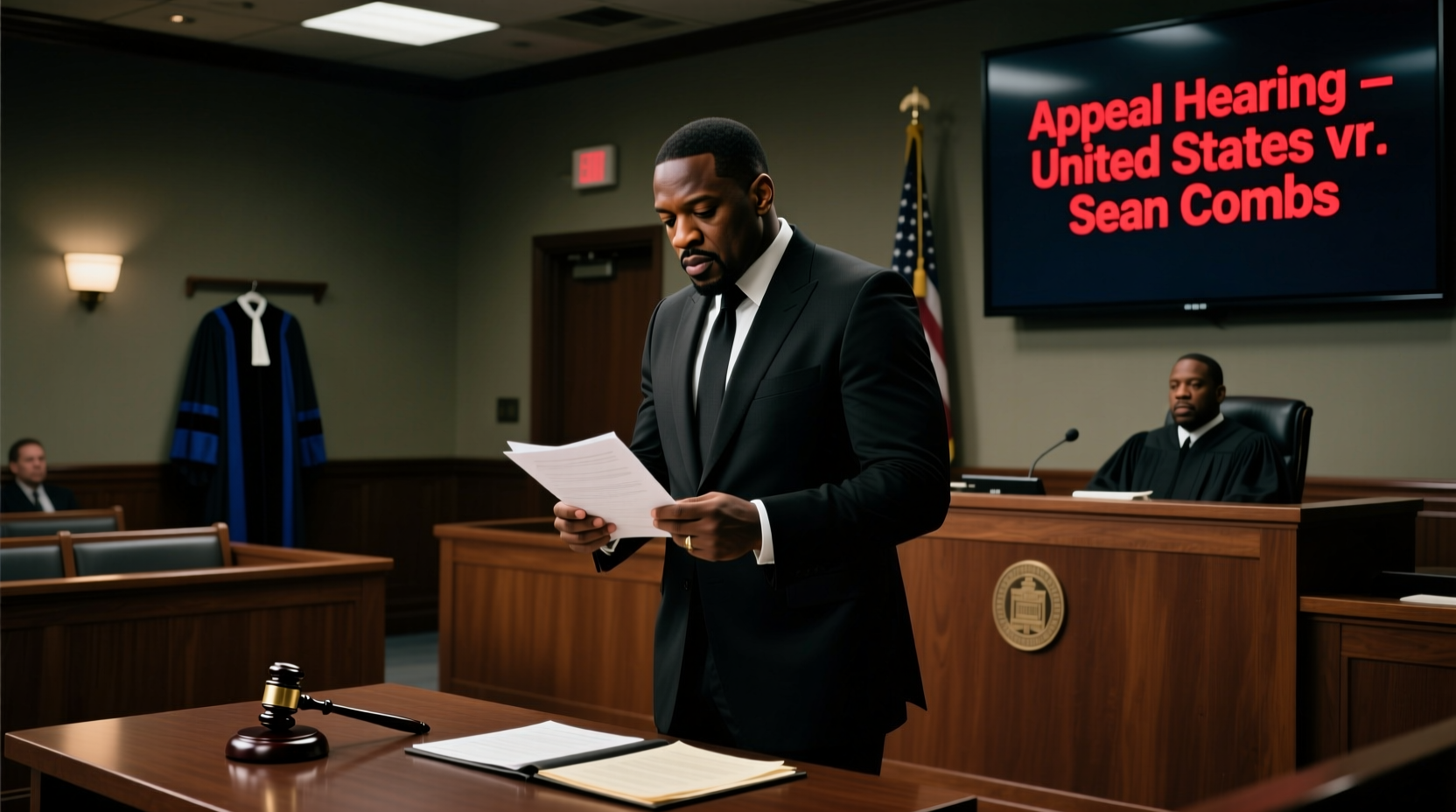
Although Diddy avoided prison, his legal team pursued an appeal of the weapons conviction. In 2003, the New York State Appellate Division overturned the conviction on procedural grounds. The court ruled that the evidence—the firearm—should have been suppressed because the initial police stop lacked sufficient justification under the Fourth Amendment.
This decision hinged on constitutional protections against unlawful search and seizure. The appellate judges determined that officers had no reasonable suspicion to detain Combs’ vehicle, rendering the discovery of the gun inadmissible. As a result, the conviction was vacated, and no retrial was pursued by prosecutors.
The overturning of the conviction marked a pivotal moment in Diddy’s legal redemption arc. It did not erase the incident from public memory, but it legally cleared his record of the sole conviction stemming from the nightclub shooting.
Timeline of Key Legal Events
- December 27, 1999: Shooting outside Club New York; Diddy and Shyne arrested.
- March 2001: Trial begins in Manhattan Supreme Court.
- May 2001: Diddy acquitted of assault and related charges; convicted of illegal weapon possession.
- June 2001: Sentenced to five years probation, fine, and community service.
- 2003: Appellate Division overturns conviction due to improper search.
- Ongoing: No further criminal charges related to the incident.
Common Misconceptions About Diddy’s Incarceration
A persistent myth suggests that Diddy served jail time. This confusion likely stems from conflating his case with Shyne’s imprisonment or misunderstanding the outcome of the trial. To clarify:
- Diddy was never sentenced to prison.
- He did not serve jail time for the 1999 incident.
- The overturned conviction means the legal system ultimately dismissed the charge.
- Recent allegations (as of 2023–2024) involve civil lawsuits, not criminal convictions or incarceration.
It is crucial to distinguish between criminal arrests, convictions, and sentences. An arrest does not imply guilt, and a conviction does not always result in jail time—especially when probation is granted or appeals succeed.
What the Case Reveals About Celebrity Justice
The Diddy case remains a textbook example of how fame interacts with the legal system. Several factors contributed to the outcome:
| Factor | Impact on Case |
|---|---|
| High-Profile Status | Intense media coverage influenced public opinion but also ensured transparency in court proceedings. |
| Legal Representation | Top-tier defense attorneys challenged evidence admissibility effectively. |
| Constitutional Rights | Fourth Amendment violation became the basis for successful appeal. |
| Public Advocacy | Celebrity support and public campaigns may have pressured prosecutors to avoid overreach. |
While some critics argue that wealth and influence shielded Combs from harsher punishment, others emphasize that the appeal victory was grounded in legal principle, not privilege. The court’s decision reinforced the importance of lawful police conduct, regardless of a defendant’s status.
Frequently Asked Questions
Did Diddy ever go to jail?
No, Diddy did not serve jail time for the 1999 nightclub shooting incident. He was sentenced to probation, which he completed. His sole conviction was later overturned on appeal.
Why was Diddy’s conviction overturned?
The conviction was overturned because the firearm used as evidence was obtained during a traffic stop deemed unconstitutional. The appellate court ruled the search violated the Fourth Amendment, making the evidence inadmissible.
Are there current criminal charges against Sean Combs?
As of mid-2024, there are no active criminal charges against Sean Combs. However, he faces multiple civil lawsuits alleging sexual misconduct and abuse, which are separate from criminal prosecution and do not involve jail time unless criminal charges are filed and proven.
Conclusion: Separating Fact from Fiction
The narrative around Diddy’s legal history is often clouded by speculation, sensational headlines, and incomplete information. The truth is that while he was arrested and initially convicted in a high-stakes case, he never served jail time, and his conviction was ultimately overturned on constitutional grounds. This outcome underscores the complexity of the justice system—where procedure, rights, and representation play decisive roles.
Understanding this case requires looking beyond tabloid summaries and examining judicial reasoning, legal precedents, and factual timelines. For fans, critics, and observers alike, it serves as a reminder that even the most public figures are subject to the rule of law—and that legal victories can be won not through influence alone, but through adherence to constitutional principles.




 浙公网安备
33010002000092号
浙公网安备
33010002000092号 浙B2-20120091-4
Comments
No comments yet. Why don't you start the discussion?