
When fans of Overwatch logged into the game in 2021, they were greeted with a surprising update: Caleb “McCree” McRee, one of the franchise’s original cowboy-inspired heroes, had been renamed to simply “Cole Cassidy.” The announcement sparked immediate reactions across forums, social media, and gaming communities. What prompted Blizzard Entertainment to rebrand a fan-favorite character with such a recognizable identity? The answer lies at the intersection of corporate responsibility, cultural awareness, and evolving public perception.
The renaming of McCree wasn’t just a cosmetic change—it reflected a broader shift in how companies handle representation, accountability, and inclusivity in digital spaces. Understanding this decision requires examining not only the character’s origins but also the real-world events that influenced Blizzard’s leadership during a turbulent period for the company.
The Origins of McCree: From Developer to In-Game Character
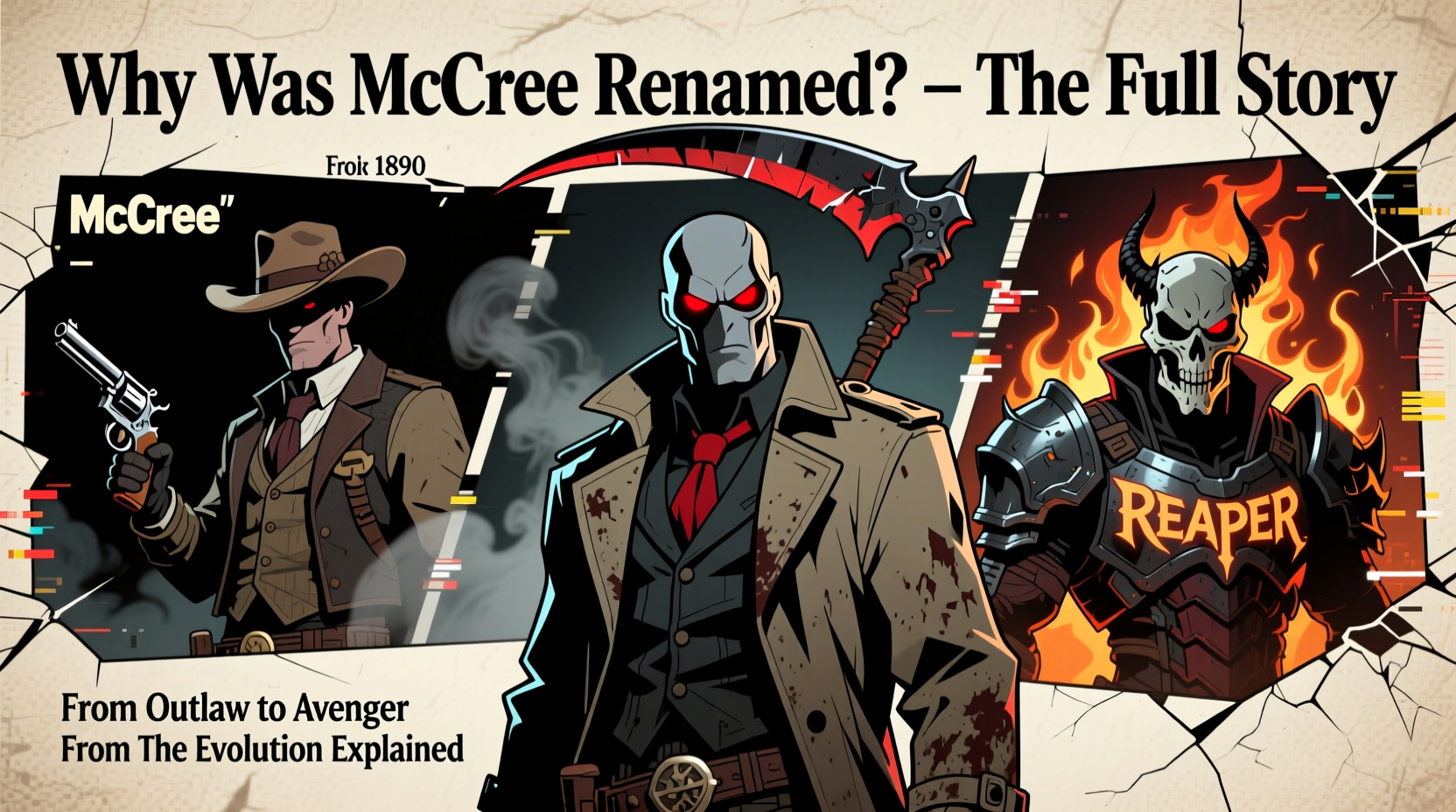
McCree was introduced in 2016 as part of the original roster of Overwatch, a team-based first-person shooter developed by Blizzard Entertainment. He was portrayed as a gunslinger with a quick draw, wearing a duster coat and wielding a Peacekeeper revolver—clearly inspired by Western archetypes like Clint Eastwood and classic spaghetti westerns. His design emphasized cool confidence, dry humor, and a rogue-with-a-conscience persona.
Interestingly, the character was named after Jesse McCree, a key designer who worked on the early development of Overwatch. Naming characters after developers is not uncommon in gaming culture; it’s often seen as an inside joke or tribute. At the time, it seemed harmless—a nod to someone instrumental in shaping the game.
However, by 2021, Jesse McCree had become a controversial figure within Blizzard and beyond. Multiple allegations of sexual misconduct and fostering a toxic workplace environment emerged during a high-profile lawsuit filed by California’s Department of Fair Employment and Housing (DFEH). These claims painted a picture of systemic harassment and gender discrimination within the company, implicating several executives and prominent figures—including McCree himself.
The Cultural Shift: Why Names Matter in Gaming
Blizzard faced mounting pressure to respond to the allegations not only through internal reforms but also through visible changes in its products. Continuing to feature a character named after someone accused of contributing to a hostile work environment risked alienating players who valued inclusivity and ethical practices.
Gaming audiences have grown increasingly vocal about representation and accountability. Players expect studios to uphold certain standards—not just in their HR policies, but in the narratives and symbols they promote. A hero bearing the name of a person accused of misconduct could be interpreted as tacit endorsement, regardless of intent.
In June 2021, Activision Blizzard confirmed that McCree would be reworked both narratively and visually. The change wasn’t limited to a name swap. The developers took the opportunity to refine his backstory, distancing him from any real-world associations and reinforcing his role as a fictional outlaw turned reluctant hero.
“Characters in our games should represent the values we aspire to—respect, inclusion, and integrity. We can’t ignore when those values are compromised by association.” — Mike Ybarra, former President of Blizzard Entertainment
A Timeline of the Rebranding Process
The transformation from McCree to Cole Cassidy unfolded over several months, involving narrative updates, visual tweaks, and community outreach. Here’s how it happened:
- August 2021: Following the DFEH lawsuit, public backlash intensifies. Fans begin calling for the character’s name to be changed.
- September 2021: Blizzard announces that McCree will receive a major rework, citing both gameplay balance and narrative evolution.
- October 2022: On the release of Overwatch 2, the character officially returns as Cole Cassidy, complete with updated voice lines, animations, and lore.
- November 2022: All references to “McCree” are removed from maps, dialogue, and promotional material. Legacy skins remain, but are now labeled under the new name.
The new identity positions Cole Cassidy as a more mature figure—one who has left behind a life of banditry and now fights for justice. His signature weapon, the Peacekeeper, remains, but its mechanics were slightly adjusted to reflect a focus on precision rather than raw aggression.
Community Reaction and Long-Term Impact
Reactions were mixed. Some longtime players expressed disappointment, feeling that erasing the name severed a piece of Overwatch’s history. Others welcomed the change as a necessary step toward accountability.
To better understand the spectrum of opinions, consider this breakdown:
| Group | Reaction | Primary Concern |
|---|---|---|
| Veteran Players | Mixed | Loss of nostalgia and identity |
| New Players | Neutral/Positive | No attachment to old name |
| Social Advocacy Groups | Strongly Positive | Removal of problematic associations |
| Industry Analysts | Cautiously Supportive | Precedent for handling IP-controversy links |
One player, Sarah Kim, a streamer and long-time Overwatch enthusiast, shared her perspective: “At first, I missed hearing ‘High noon!’ But once I learned more about why the change happened, I realized it wasn’t really about the character—it was about what his name represented. Keeping it would’ve felt like ignoring something important.”
Key Takeaways for Gamers and Developers
The McCree-to-Cole-Cassidy transition offers valuable lessons for both consumers and creators in the gaming industry:
- Names carry weight. Even fictional characters can become symbolic, especially when tied to real people.
- Transparency builds trust. Blizzard’s gradual rollout helped mitigate confusion, though earlier communication might have reduced backlash.
- Rebranding is possible without losing essence. Core gameplay and aesthetics were preserved while updating narrative context.
- Accountability extends beyond HR. Product decisions must align with ethical standards, even post-launch.
Frequently Asked Questions
Did Jesse McCree leave Blizzard?
Yes. Jesse McCree departed from Blizzard Entertainment in 2021 amid the fallout from the workplace misconduct lawsuit. His departure preceded the official renaming of the character.
Is Cole Cassidy the same character as McCree?
Yes, in terms of gameplay and core design, he is the same hero. However, his backstory, personality, and name have been updated to reflect a fresh identity independent of any real-world associations.
Can I still use McCree skins on Cole Cassidy?
Yes. All previously released cosmetic items for McCree remain available and compatible with Cole Cassidy. Blizzard ensured continuity in customization options despite the narrative shift.
Conclusion: A Step Toward Responsible Storytelling
The renaming of McCree to Cole Cassidy marks a pivotal moment in modern video game culture. It demonstrates that even beloved icons are subject to reevaluation when values clash with legacy. While change can be uncomfortable, it also opens doors to more thoughtful, inclusive storytelling.
This isn’t just about one character in one game—it’s about how creative industries adapt to a world where ethics and entertainment are increasingly intertwined. By choosing to act, Blizzard sent a message: names matter, histories matter, and so does accountability.




 浙公网安备
33010002000092号
浙公网安备
33010002000092号 浙B2-20120091-4
Comments
No comments yet. Why don't you start the discussion?