
Fugglers—the quirky, grotesque, and oddly charming rubber-faced dolls with stretchable features—captured the attention of children and collectors in the early 2000s. With their exaggerated expressions and tactile appeal, they became a cult favorite. Yet, despite their popularity, Fugglers disappeared from shelves almost as quickly as they arrived. What led to their abrupt discontinuation? And is there any truth to rumors of a comeback? This article unpacks the history, controversies, business decisions, and cultural shifts that shaped the fate of Fugglers—and examines whether they might return.
The Rise of Fugglers: A Brief History
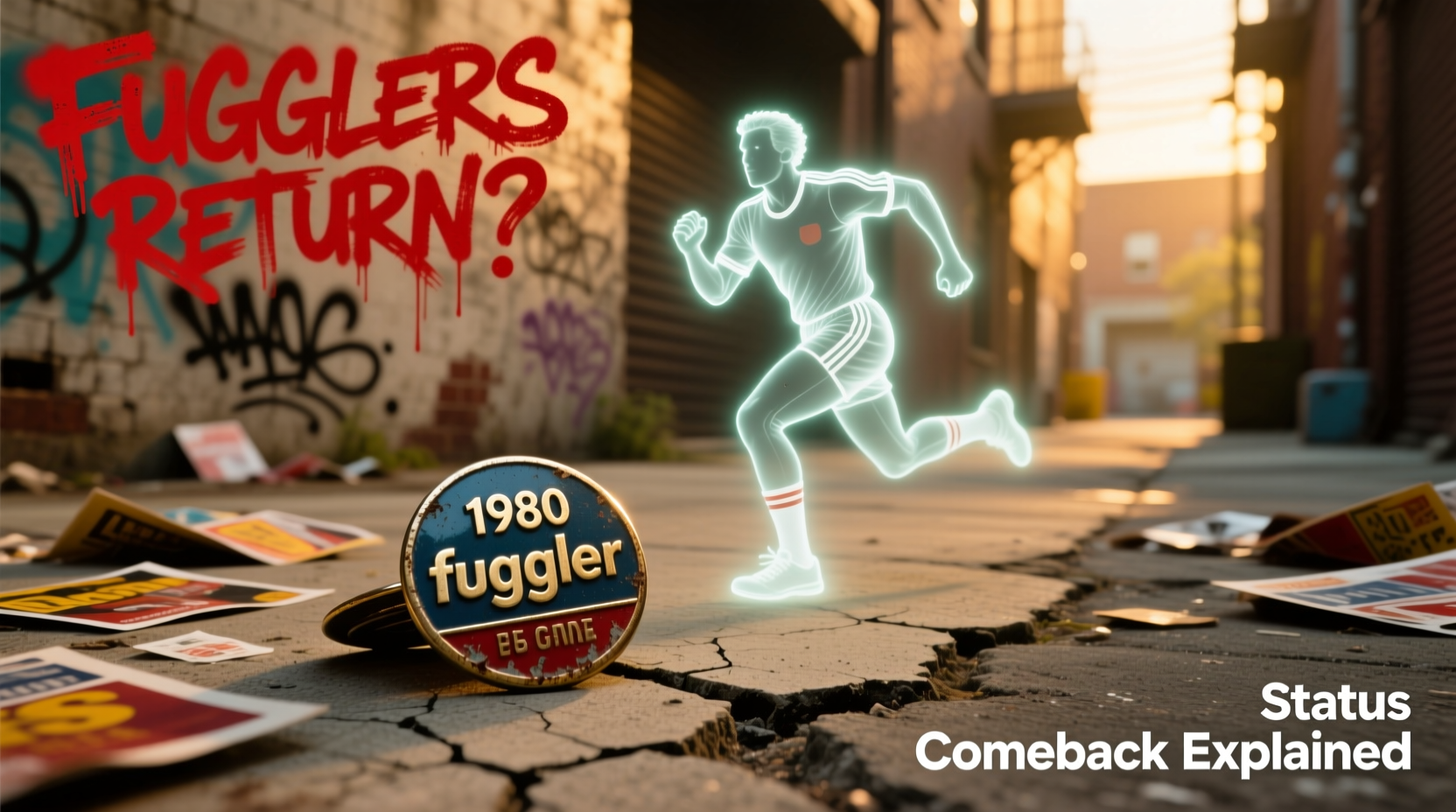
Introduced by toy company OddzOn in the late 1990s, Fugglers stood out in a market saturated with polished, cartoonish characters. These rubber-faced figures featured oversized noses, bulging eyes, and drooping ears—all designed to be stretched, twisted, and pulled without breaking. Unlike traditional action figures, Fugglers invited tactile play. Their slogan, “Stretch ‘em. Squeeze ‘em. Love ‘em,” reflected their hands-on appeal.
The brand gained traction through word-of-mouth and novelty appeal. Kids loved how the toys could be distorted into bizarre shapes, then snap back to their original form. Retailers reported strong sales during holiday seasons, and spin-offs like Fuggler Pets and Fuggler Babies expanded the product line. By the early 2000s, Fugglers had developed a loyal following, particularly among collectors of odd or nostalgic toys.
Why Were Fugglers Discontinued?
Despite their initial success, Fugglers vanished from mainstream retail around 2003. The official reason was never clearly stated by OddzOn, but several interrelated factors contributed to their downfall:
- Licensing and ownership instability: OddzOn operated under multiple parent companies during its lifespan. After being acquired by Hasbro in 1997, many of its products were reevaluated for long-term profitability. Fugglers, while popular, didn’t align with Hasbro’s core brands like Transformers or My Little Pony.
- Market saturation and shifting trends: The early 2000s saw a surge in electronic toys and video games. Physical novelty toys like Fugglers struggled to compete with interactive entertainment.
- Perception issues: Some parents and educators found the Fugglers’ grotesque appearance unsettling. Though intended as humorous, their exaggerated features were sometimes described as “ugly” or “disturbing,” limiting their appeal in certain demographics.
- Manufacturing costs: The specialized rubber compound used in Fugglers was more expensive than standard plastic. As margins tightened, the cost-benefit ratio became less favorable.
“Fugglers were ahead of their time. They tapped into sensory play years before it became a recognized developmental trend. But they didn’t fit the mold of mass-market toys.” — Dr. Linda Reeves, Toy Industry Historian
Was There a Backlash or Controversy?
No major safety recalls or public scandals directly caused the discontinuation of Fugglers. However, anecdotal reports suggest some schools banned them due to distractions during class. Children would spend more time stretching faces than paying attention, leading teachers to label them “classroom disruptors.”
Additionally, minor concerns about latex allergies surfaced, though most Fugglers were made from non-latex synthetic rubber. Still, the lack of clear labeling at the time raised questions among health-conscious parents.
Ironically, the very traits that made Fugglers unique—quirky design, tactile engagement, humor—also made them vulnerable in a risk-averse toy market. As industry standards leaned toward educational value and brand synergy, offbeat novelties like Fugglers fell out of favor.
Fugglers Status: Are They Coming Back?
In recent years, demand for retro and nostalgic toys has surged. Platforms like eBay, Etsy, and specialized collector forums have seen vintage Fugglers sell for up to $50 per figure—far above their original $5–$8 price point. This secondary market activity has fueled speculation about a revival.
As of 2024, there is no official announcement from Hasbro or any successor company regarding a Fugglers relaunch. However, several indicators suggest a potential comeback:
- Hasbro has revived other OddzOn properties, such as Super Soaker and Nerf Blasters, indicating openness to nostalgia-driven reboots.
- Sensory toys are now widely accepted in both therapeutic and educational settings. Fugglers could be repositioned as stress-relief or fidget tools for older audiences.
- Social media campaigns using hashtags like #BringBackFugglers have gained traction, with thousands of likes and shares.
Potential Comeback Scenarios
| Scenario | Description | Likelihood (2024) |
|---|---|---|
| Retro Collector Line | Reissue original designs in limited batches for adult collectors | High |
| Modern Reboot | Redesign with eco-friendly materials and updated branding | Moderate |
| Educational/Sensory Version | Market as a therapy or classroom tool for kids with anxiety or ADHD | Low-Moderate |
| No Return | Remain a discontinued cult classic with no revival plans | Possible, but decreasing |
Real-World Example: The Case of Jason M., Toy Collector
Jason M., a 34-year-old toy collector from Portland, Oregon, began hunting for Fugglers in 2018 after seeing one listed on eBay for $40. “I had a Fuggler named Squidge as a kid,” he recalls. “When I found one in near-mint condition, I bought it immediately. Now I have 17 different variants, including rare prototypes.”
He launched a subreddit, r/FugglersUnite, which now has over 4,000 members. The community shares restoration tips, tracks auction prices, and even designs 3D-printed accessories. “We’re not just hoarding old toys,” Jason says. “We’re preserving a piece of playful weirdness that today’s sanitized toy market often lacks.”
This grassroots enthusiasm mirrors broader trends in toy culture, where authenticity and tactile experience are increasingly valued over digital flashiness.
How to Identify Authentic Vintage Fugglers
With rising demand, counterfeit or mislabeled Fugglers have appeared online. Use this checklist to verify authenticity:
- Check the base stamp: Original Fugglers have “OddzOn” or “©OddzOn Products Inc.” molded into the bottom.
- Material feel: Genuine units have a soft, flexible rubber with slight translucency. Hard or chalky textures indicate reproductions.
- Color vibrancy: Early models used bold, saturated dyes. Faded or uneven coloring may signal age or poor storage—but also possible fakes if inconsistent with known variants.
- Packaging: Look for blister packs with the distinctive yellow-and-black logo. Reproductions often use incorrect fonts or logos.
- Weight and size: Most original Fugglers are 4–5 inches tall and weigh between 1.5–2 oz.
FAQ
Are Fugglers safe for young children?
Original Fugglers were labeled for ages 5 and up due to small, stretchable parts that could theoretically tear. While durable, supervision is recommended for younger kids to prevent accidental ingestion of broken pieces.
Can I still buy new Fugglers today?
No new units have been officially produced since the early 2000s. Any “new” Fugglers sold today are either vintage stock or third-party replicas. Exercise caution when purchasing online.
Why do some Fugglers smell bad?
Aging rubber compounds can emit a faint sulfur-like odor, especially if stored in hot or humid conditions. This is normal and doesn’t affect functionality, though airing them out is advisable.
What You Can Do: Supporting a Fugglers Revival
If you’d like to see Fugglers return, your voice matters. Here’s how to help drive momentum:
- Engage with Hasbro on social media using #BringBackFugglers.
- Leave comments on toy review sites and YouTube videos expressing interest.
- Support collector communities and share your own Fuggler stories.
- Contact toy retailers and suggest they carry a rebooted line.
Conclusion: The Future of Fugglers
The discontinuation of Fugglers wasn’t due to failure, but timing. They emerged in an era unprepared for their blend of absurdity and tactile fun. Today, with renewed appreciation for sensory play, nostalgia, and unconventional design, the conditions for a comeback have never been better.
Whether reissued as collector’s items, rebranded as wellness tools, or simply celebrated as relics of a bolder toy era, Fugglers represent something rare: toys that don’t take themselves seriously, yet leave a lasting impression. Their absence speaks volumes about changing markets—but also about enduring affection.




 浙公网安备
33010002000092号
浙公网安备
33010002000092号 浙B2-20120091-4
Comments
No comments yet. Why don't you start the discussion?