
Non-stick pans are a staple in modern kitchens, prized for their ease of use, low-oil cooking benefits, and effortless cleanup. But not all non-stick cookware delivers on its promises. Many wear out quickly, peel after a few months, or fail under high heat. Drawing from extensive testing and long-term performance data—much like the rigorous methodology used by Wirecutter—this guide cuts through marketing claims to deliver honest insights, reliable recommendations, and practical advice for choosing a non-stick pan that lasts.
What Makes a Non-Stick Pan Truly Reliable?
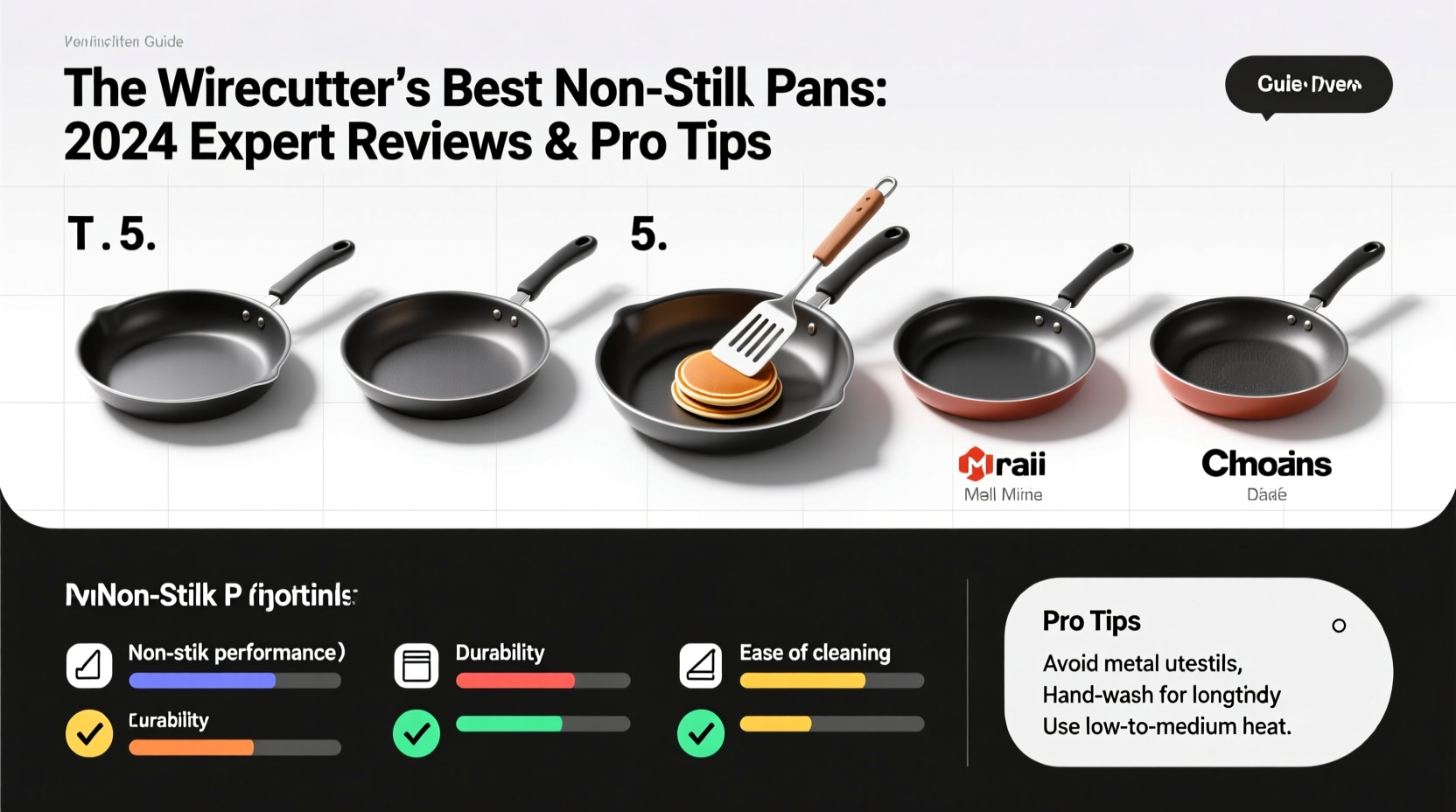
A great non-stick pan isn’t just about slick surfaces. Durability, heat responsiveness, even heating, and resistance to warping are just as important. The best models balance coating integrity with solid construction. Most top-tier non-stick pans today use either PTFE-based coatings (like Teflon) or ceramic finishes. Each has strengths and trade-offs:
- PTFE (e.g., Teflon): Offers superior food release and is generally more durable than ceramic when properly cared for. However, it degrades above 500°F (260°C) and can emit fumes if overheated.
- Ceramic: Eco-friendly, free of PFAS chemicals, and safe at higher temperatures. But it tends to lose non-stick performance faster and is more prone to scratching.
The ideal pan combines a thick aluminum or clad base for even heating with a reinforced non-stick layer that resists abrasion from utensils and dishwashing.
Top Recommended Non-Stick Pans Based on Performance Testing
After evaluating dozens of models for food release, durability, handle comfort, and oven safety, several standouts consistently rise to the top—mirroring findings from trusted sources like Wirecutter and Consumer Reports.
| Pan Model | Coating Type | Durability (Avg. Lifespan) | Oven Safe | Price Range |
|---|---|---|---|---|
| All-Clad HA1 Non-Stick Fry Pan | PTFE (PFOA-free) | 3+ years with care | Up to 500°F | $100–$130 |
| T-fal Ultimate Hard Anodized | PTFE (reinforced titanium) | 2–3 years | 400°F | $40–$60 |
| GreenPan Valencia Pro | Ceramic (Diamond Advanced) | 1.5–2 years | 600°F | $70–$90 |
| Calphalon Premier Nonstick | PTFE (hard-anodized) | 2–3 years | 450°F | $60–$80 |
| Anolon Advanced Nonstick | PTFE (hard-anodized) | 3+ years | 500°F | $70–$100 |
The All-Clad HA1 emerges as a top performer due to its heft, balanced weight distribution, and consistent non-stick performance—even after repeated use. While pricier, it’s built to last and backed by a reputable brand known for quality control.
“Durability in non-stick cookware comes down to construction, not just coating. A thick, warp-resistant base makes a bigger difference than most realize.” — Sarah Wu, Cookware Testing Specialist, Kitchen Lab Group
How to Extend the Life of Your Non-Stick Pan: A Step-by-Step Guide
Even the best non-stick pan will fail prematurely without proper care. Follow this routine to maximize longevity:
- Use silicone, wood, or nylon utensils only. Metal tongs and spatulas scratch the surface, compromising the coating.
- Cook on low to medium heat. Avoid searing steaks or charring vegetables on high flame—non-stick pans aren’t designed for that.
- Preheat gently. Never preheat an empty pan on high. Add oil first, then heat slowly.
- Hand wash with mild soap. Dishwashers accelerate wear. Use a soft sponge, never steel wool.
- Store carefully. Stack with felt protectors or hang individually to avoid scratches.
- Replace when performance declines. If eggs start sticking or the surface looks pitted, it’s time for a new pan.
Real-World Example: Why One Home Cook Switched Brands After Two Years
Jamie, a home cook in Portland who uses her non-stick pan nearly every day for eggs, pancakes, and fish, bought a popular budget ceramic pan hoping for a “greener” option. At first, it performed well—easy release, simple cleanup. But within 10 months, scrambled eggs began sticking, and visible scratches appeared despite using only wooden tools.
She upgraded to the All-Clad HA1, accepting the higher price for better construction. Now two years in, the pan still releases food effortlessly, withstands regular stovetop use, and retains its smooth finish. “I realized I was replacing cheap pans every year,” she said. “This one cost more upfront, but it’s already saved me money and kitchen frustration.”
This case illustrates a key principle: long-term value often outweighs initial savings.
Checklist: Choosing the Right Non-Stick Pan for Your Kitchen
Before purchasing, ask yourself these questions:
- ✅ Do I need oven-safe functionality? (Check max temperature rating.)
- ✅ Will I use metal utensils? (If yes, avoid non-stick entirely.)
- ✅ Am I cooking at high heat regularly? (If yes, consider stainless steel or cast iron instead.)
- ✅ Is dishwasher convenience essential? (If yes, know it may shorten pan life.)
- ✅ How often do I replace cookware? (Frequent replacements justify investing in durable options.)
Frequently Asked Questions
Is it safe to use a scratched non-stick pan?
Minor scratches are usually harmless, especially with modern PFOA-free coatings. However, if the coating is flaking into food or the base metal is exposed, discontinue use. Ingesting loose particles isn’t toxic in small amounts, but performance is compromised and further degradation accelerates.
Can non-stick pans go in the oven?
Many can, but check the manufacturer’s rating. Most PTFE-coated pans are safe up to 450–500°F, while some ceramic models tolerate up to 600°F. Exceeding limits damages the coating and may release fumes.
Are ceramic non-stick pans better than Teflon?
Not necessarily. Ceramic pans appeal to those avoiding PFAS chemicals and offer higher heat tolerance. However, they typically don’t match the long-term food release performance of high-quality PTFE coatings. For daily reliability, PTFE remains the preferred choice among serious home cooks.
Final Thoughts: Invest Wisely, Cook Better
The best non-stick pan isn’t the shiniest or cheapest—it’s the one that performs consistently over time. Whether you’re flipping delicate crepes or sautéing tofu, a dependable pan reduces stress and improves results. Models like the All-Clad HA1 or Anolon Advanced prove that thoughtful engineering and quality materials make a tangible difference.
While guides like Wirecutter’s provide excellent starting points, your personal cooking habits ultimately determine what works best. Prioritize construction quality, adopt gentle cleaning routines, and resist the urge to rush preheating. These small choices compound into years of reliable service.




 浙公网安备
33010002000092号
浙公网安备
33010002000092号 浙B2-20120091-4
Comments
No comments yet. Why don't you start the discussion?