
For homeowners looking to maintain driveways, patios, decks, or siding without breaking the bank, a reliable pressure washer under $250 can be a game-changer. The Wirecutter team at The New York Times has rigorously tested numerous models, focusing on durability, cleaning power, ease of use, and feature versatility. After evaluating real-world performance across different surfaces and conditions, several standout models emerge—offering professional-grade results at a fraction of the cost.
This guide compiles the top-rated power washers from Wirecutter’s assessments, highlighting key features, practical applications, and smart buying considerations. Whether you're tackling years of grime on concrete or giving your outdoor furniture a seasonal refresh, these tools deliver consistent performance without compromising on value.
Top Power Washer Picks Under $250
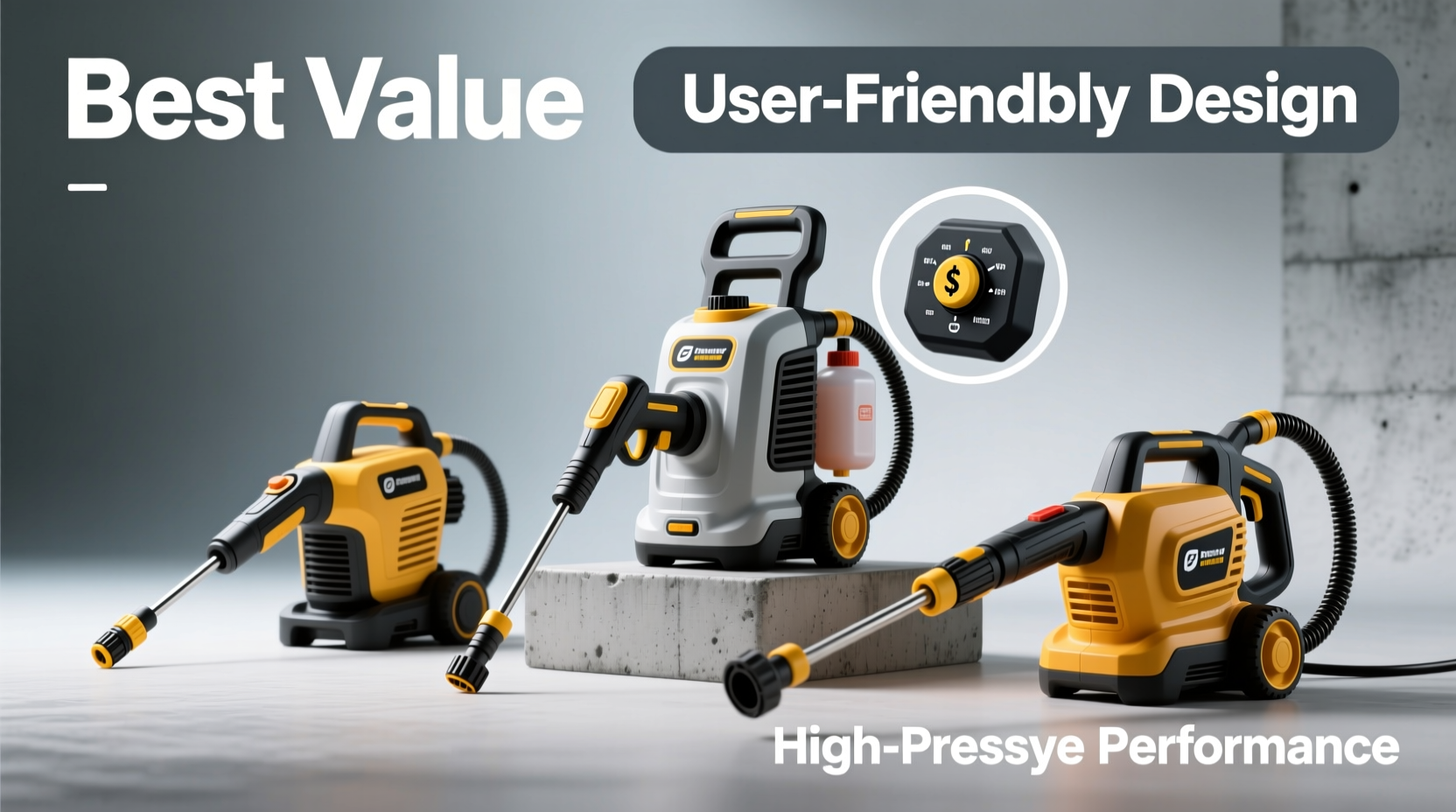
Based on extensive testing and user feedback, Wirecutter identifies three primary models that balance reliability, power, and adaptability—all priced under $250. These units are ideal for residential use and handle most common cleaning challenges with ease.
- Simpson Cleaning PS3228 PowerShot (3200 PSI, 2.5 GPM) – A robust electric model praised for its high-pressure output and durable axial cam pump.
- AR Blue Clean AR393SS (2000 PSI, 1.7 GPM) – Compact and lightweight, this unit excels in storage efficiency and includes a built-in detergent tank.
- Generac 2300 PSI HomeSeries (2300 PSI, 2.0 GPM) – Offers excellent water flow regulation and comes with five quick-connect nozzles for surface-specific cleaning.
All three models are electric, making them quieter and easier to maintain than gas-powered alternatives. They’re also designed with portability in mind—featuring onboard hose and cord storage, ergonomic handles, and compact footprints.
Key Features That Define Value
When shopping for a power washer under $250, it's essential to look beyond raw PSI (pounds per square inch). While pressure matters, the combination of water flow (GPM), pump quality, nozzle variety, and accessory integration determines real-world effectiveness.
| Model | Max PSI | GPM | Detergent System | Nozzle Options | Weight |
|---|---|---|---|---|---|
| Simpson PS3228 | 3200 | 2.5 | Onboard tank + siphon hose | 5 quick-connect tips | 38 lbs |
| AR Blue Clean AR393SS | 2000 | 1.7 | Built-in foam tank | 4 fixed-angle nozzles | 24 lbs |
| Generac HomeSeries 2300 | 2300 | 2.0 | Upstream detergent intake | 5 quick-connect tips | 31 lbs |
The Simpson leads in raw power, making it ideal for heavy-duty jobs like removing oil stains or cleaning brick. The AR Blue Clean is best suited for users prioritizing convenience and light-to-moderate cleaning. The Generac strikes a balance between both, offering adjustable pressure control and a longer warranty (3 years).
“Horsepower ratings matter less than consistent water delivery and thermal protection. Look for machines with brass pumps and overheat safeguards.” — David Kim, Appliance Testing Lab Manager, Consumer Reports
Step-by-Step Guide to Choosing and Using Your Power Washer
Selecting the right model is only half the battle. Proper setup and operation ensure longevity and safety. Follow this timeline to get the most from your investment.
- Assess Your Cleaning Needs (Day 1)
Determine frequency and surfaces: driveway, deck, fence, vehicle, etc. High-traffic areas may require >2500 PSI. - Compare Pump Types (Day 1–2)
Choose axial cam (budget-friendly) or triplex plunger (longer lifespan). Most sub-$250 models use axial, but higher-end electrics like the Simpson include enhanced cooling. - Check Hose & Cord Length (Day 2)
Ensure at least a 20-foot high-pressure hose and 30-foot power cord to minimize extension use. - Set Up Safely (Day 3)
Connect to a standard outdoor faucet. Use a garden hose with a threaded connection. Plug into a GFCI outlet. - Begin Cleaning (Day 3 Onward)
Start with low pressure (wide fan tip), apply detergent, let sit 3–5 minutes, rinse with medium pressure. Never point at windows or electrical fixtures. - Maintenance Schedule (Monthly)
Flush system after use, store indoors, inspect O-rings, and winterize if in freezing climates.
Real-World Example: Reviving a Weathered Deck
Consider Mark from Columbus, Ohio, who purchased the Generac 2300 PSI HomeSeries to restore his cedar deck after two seasons of neglect. Mold, mildew, and dirt had dulled the wood’s appearance. He began by sweeping debris and applying a wood-safe cleaner via the upstream detergent injector. Using the 25-degree nozzle, he worked in 3-foot sections, keeping the wand 12 inches from the surface. After two hours, the deck looked nearly new—without sanding or refinishing. “I saved over $400 compared to hiring a pro,” he said. “And I can re-clean it every spring with minimal effort.”
This scenario illustrates how even mid-range power washers, when used correctly, can deliver professional outcomes. The key was matching the tool to the task and following safe operating practices.
What to Avoid: Common Mistakes with Budget Power Washers
Even reliable models can underperform or fail prematurely due to misuse. Below is a checklist of pitfalls to sidestep.
- ❌ Using household extension cords not rated for outdoor tools—can cause overheating.
- ❌ Running the unit without water flow—leads to pump damage within seconds.
- ❌ Ignoring nozzle selection—narrow tips can etch wood or chip paint.
- ❌ Storing the unit with water inside—risk of freeze damage or corrosion.
- ❌ Skipping detergent compatibility checks—some cleaners degrade seals or hoses.
Frequently Asked Questions
Can I use my power washer with a rain barrel or portable tank?
Yes, but only if the unit allows for suction feeding. Most standard electric models require municipal water pressure to prime the pump. Models like the Simpson PS3228 support inlet suction when paired with a filter to prevent debris intake.
Is higher PSI always better?
Not necessarily. Excessive pressure can damage siding, strip paint, or harm plants. For most residential tasks, 2000–2800 PSI with adequate GPM (≥1.8) provides optimal cleaning with control. Adjustable pressure settings, like those on the Generac, allow safer use across surfaces.
How long do electric power washers last?
With proper care, electric models typically last 5–8 years. Units with brass pumps and thermal overload protection, such as the top Wirecutter-recommended picks, often exceed 300 hours of runtime. Regular flushing and winterization significantly extend lifespan.
Final Recommendations and Smart Buying Tips
If you prioritize raw cleaning power and plan to tackle tough jobs like concrete resurfacing or garage floors, the Simpson PS3228 offers unmatched performance under $250. For smaller homes or infrequent use, the AR Blue Clean AR393SS delivers simplicity and space-saving design. Those seeking balanced performance, durability, and long-term value should consider the Generac 2300 PSI HomeSeries, which includes a generous warranty and superior build quality.
Regardless of your choice, always verify availability of replacement parts and customer support. Brands like Simpson and Generac have widespread service networks, ensuring repairs remain affordable. Additionally, check retailer return policies—many offer 30-day trial periods for peace of mind.
“The best pressure washer isn’t the strongest one—it’s the one you’ll actually use safely and consistently.” — Wirecutter Staff, Home Tools Division
Take Action Today
Your home’s exterior reflects your pride in ownership. With one of these trusted, expert-vetted power washers under $250, you can reclaim curb appeal, extend the life of outdoor surfaces, and reduce long-term maintenance costs. Evaluate your needs, choose wisely, and start transforming your space with confidence. Ready to make a decision? Share your experience or ask questions in the comments below—your insights could help another homeowner make the right call.




 浙公网安备
33010002000092号
浙公网安备
33010002000092号 浙B2-20120091-4
Comments
No comments yet. Why don't you start the discussion?