
Home security upgrades are no longer just about protection—they’re about convenience, connectivity, and long-term value. As homeowners look to modernize their properties, two popular options emerge: wireless doorbells and smart locks. Both offer enhanced safety and convenience, but they serve different purposes and deliver varying returns on investment. Understanding how each technology functions, their benefits, and their impact on home value is essential when deciding where to allocate your budget.
Understanding the Basics: What Each System Offers
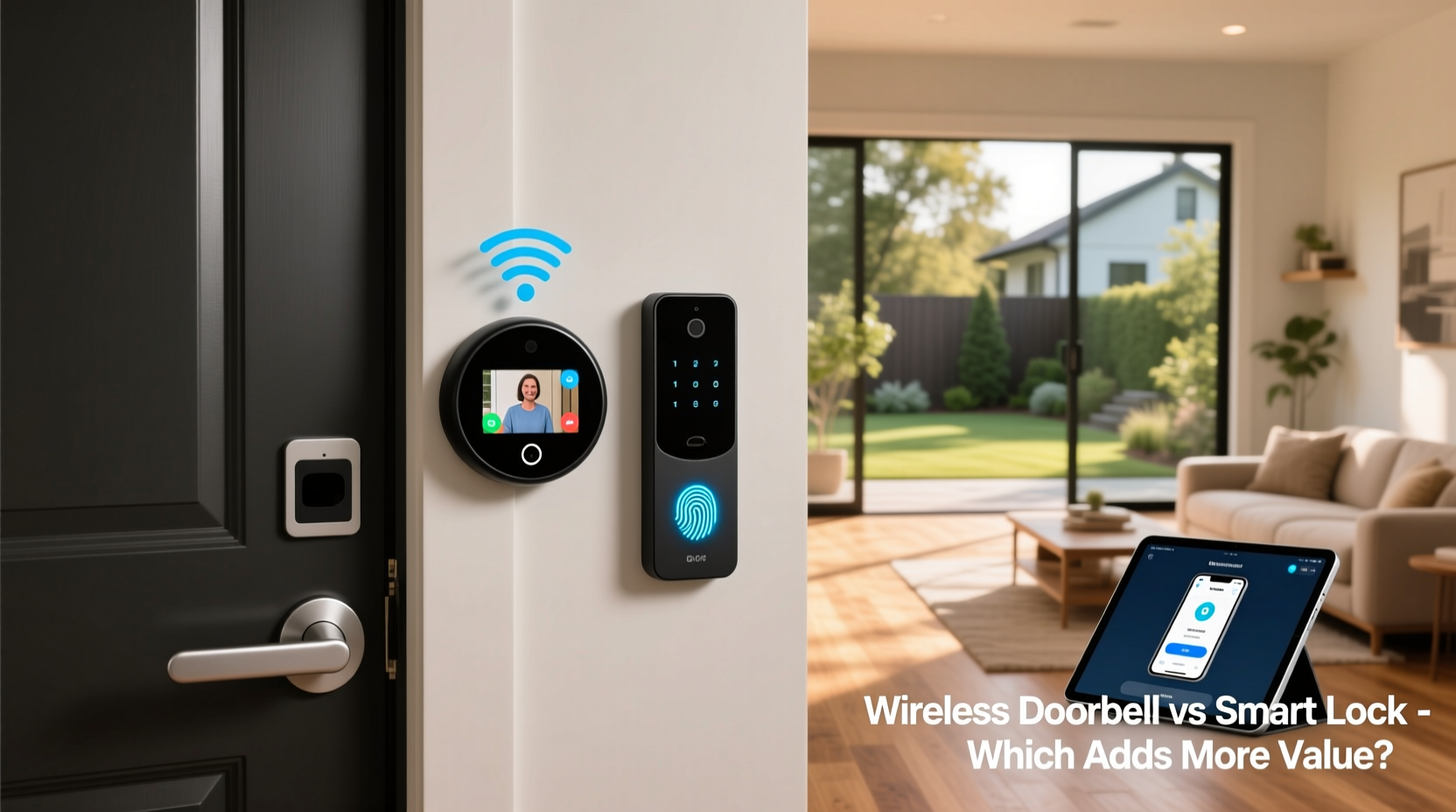
A wireless doorbell is a modern evolution of the traditional door chime. It typically includes a button at the front door and a receiver inside the home that emits a sound when pressed. Many models now include cameras, motion detection, and smartphone integration—commonly referred to as video doorbells. These devices allow users to see, hear, and sometimes speak with visitors remotely via an app.
Smart locks, on the other hand, replace or retrofit traditional deadbolts. They enable keyless entry using PIN codes, smartphones, biometrics, or voice assistants. Some integrate with home automation systems, allowing for geofencing (auto-locking/unlocking based on location), temporary access codes for guests, and detailed entry logs.
While both enhance convenience and security, their core functions differ significantly. A wireless doorbell improves awareness and surveillance at the entry point. A smart lock changes how you interact with the door itself—controlling physical access.
Security Benefits Compared
Security is often the primary motivator behind home upgrades. When comparing wireless doorbells and smart locks, both contribute to safety but in distinct ways.
Wireless Doorbells (especially video-enabled):
- Provide real-time visual monitoring of who’s at the door.
- Deter porch pirates and suspicious activity through visible cameras and recording.
- Enable remote interaction—even if you're not home.
- Send alerts when motion is detected, helping identify potential threats early.
Smart Locks:
- Eliminate the risk of lost or copied keys.
- Allow granular access control (e.g., time-limited codes for cleaners or contractors).
- Integrate with alarm systems to trigger alerts if doors are forced open.
- Log entries and exits, providing accountability for who entered and when.
“Smart locks offer a measurable increase in access security, while video doorbells enhance situational awareness. The most secure homes use both.” — David Lin, Home Security Systems Analyst at SafeHaven Labs
From a pure deterrence standpoint, visible cameras on doorbells can discourage opportunistic intruders. However, smart locks directly prevent unauthorized physical access, making them a stronger layer of actual defense.
Impact on Home Value and Buyer Appeal
When it comes to resale value, not all smart home features are created equal. Real estate professionals consistently report that certain upgrades influence buyer perception more than others.
According to the National Association of Realtors’ 2023 Profile of Home Buyers and Sellers, 56% of recent buyers considered smart home features “important” or “very important.” Among these, security-related technologies ranked highest in desirability.
Let’s break down how each system affects property appeal:
| Feature | Wireless Doorbell | Smart Lock |
|---|---|---|
| Perceived Safety Boost | High – visible deterrent | Very High – direct access control |
| Buyer Familiarity | Very High (e.g., Ring, Nest) | Moderate to High |
| Installation Complexity | Low – often DIY | Moderate – may require rekeying |
| Average Cost (Installed) | $100–$250 | $200–$400 |
| ROI Estimate | 70–85% | 80–95% |
| Integration with Smart Homes | High | Very High |
Smart locks generally provide a higher return on investment because they address a fundamental need: secure entry. They also align closely with lifestyle expectations in urban and tech-savvy markets. In contrast, while video doorbells are appealing, they’re sometimes viewed as optional extras rather than core security infrastructure.
Real Estate Agent Insight
In suburban markets like Austin, Texas, realtor Maria Tran notes a growing trend: “Homes with smart locks are getting faster offers, especially from young professionals. One listing I had last year included a Schlage Encode smart lock. The buyer specifically mentioned it during the offer negotiation—it gave them confidence in the home’s readiness for modern living.”
Cost, Installation, and Long-Term Maintenance
Budget and ease of installation play a major role in decision-making. Here’s a practical comparison:
Wireless Doorbells
- Upfront Cost: $80–$250 depending on brand and features (e.g., battery vs. wired, cloud storage).
- Installation: Usually simple—drill mounting bracket, connect chime (if needed), sync via app.
- Maintenance: Battery replacements every 6–12 months (for battery-powered models); Wi-Fi stability is crucial.
Smart Locks
- Upfront Cost: $150–$400; premium models with built-in Wi-Fi or Apple Home Key support cost more.
- Installation: Moderate DIY skill required. May involve adjusting door alignment or latch compatibility.
- Maintenance: Battery changes every 6–12 months; occasional firmware updates; mechanical parts may wear over time.
Step-by-Step Guide: Evaluating Your Upgrade Path
Follow this timeline to determine whether a wireless doorbell or smart lock is the better investment for your home:
- Week 1: Assess Current Entry Points
Check the condition of your front door, frame, and existing lock. Is the hardware outdated or weak? - Week 2: Review Security Gaps
Do you frequently miss deliveries? Worry about strangers at the door? Lose keys? These clues point to specific needs. - Week 3: Set a Budget
Decide how much you’re willing to spend. Consider future-proofing—will this device still be supported in 3–5 years? - Week 4: Research Compatibility
Ensure the device works with your existing ecosystem (e.g., Alexa, Google Home, Apple HomeKit). - Week 5: Prioritize Based on Goals
If visibility and communication matter most, go for a video doorbell. If access control and convenience are top priorities, choose a smart lock.
Which Adds More Value? A Balanced Verdict
The question isn’t just about functionality—it’s about long-term value addition. When evaluated across multiple dimensions, smart locks generally edge out wireless doorbells in terms of tangible home value.
Why? Because smart locks replace a critical component of home security—the locking mechanism. They reduce liability, improve user experience, and signal that the home is updated with modern standards. Appraisers and inspectors increasingly note integrated smart locks as a positive feature.
Wireless doorbells, particularly non-video models, are seen more as conveniences. Even advanced video versions don’t alter the physical security of the door. However, in high-crime areas or homes with frequent package deliveries, their presence can be a strong selling point.
Ultimately, the best approach may be phased implementation:
- Start with a smart lock if your current deadbolt is outdated.
- Add a video doorbell next to enhance monitoring and deterrence.
- Integrate both into a unified smart home platform for seamless control.
Mini Case Study: The Portland Townhouse Flip
In 2022, a renovation project in Portland, Oregon, aimed to boost the marketability of a 1,200-square-foot townhouse. The investor installed a $220 Ring Video Doorbell and a $280 August Wi-Fi Smart Lock. Total upgrade cost: under $600.
The home sold for 7% above asking price within two weeks. The listing agent reported that three separate bidders mentioned the smart lock as a decisive factor, citing “peace of mind” and “modern convenience.” While the doorbell was noted, it was the smart lock that conveyed lasting value.
Frequently Asked Questions
Can a wireless doorbell work with a smart lock?
Yes, many brands (like Ring, Yale, and August) offer integration between video doorbells and smart locks. For example, you can see a visitor on your doorbell feed and unlock the door remotely through the same app.
Are smart locks safe from hacking?
Reputable smart locks use end-to-end encryption and regular firmware updates to protect against breaches. While no system is 100% immune, choosing models with strong security certifications (like Zigbee, Z-Wave, or Apple Home Key) minimizes risk.
Do I need a subscription for either device?
Video doorbells often require a cloud subscription ($3–$10/month) for video recording and history. Most smart locks function fully without subscriptions, though some brands offer optional services for advanced logging or shared access management.
Final Recommendations and Action Plan
If maximizing home value is your goal, prioritize upgrading your lock system first. A high-quality smart lock with reliable connectivity and strong build quality delivers both immediate utility and long-term equity growth. It addresses a foundational need—secure, flexible access—and resonates strongly with today’s buyers.
That said, dismissing wireless doorbells would be a mistake. In combination, the two systems create a powerful entry-point ecosystem: one monitors, the other controls. Together, they represent a comprehensive upgrade that enhances safety, convenience, and perceived modernity.
“The future of home security isn’t about single devices—it’s about layered intelligence. A doorbell tells you who’s there. A smart lock decides if they get in. You need both.” — Dr. Lena Patel, IoT Security Researcher at MIT Media Lab
Checklist: Choosing the Right Upgrade
- ✅ Evaluate your current door and lock condition
- ✅ Determine whether you need visibility (doorbell) or access control (lock)
- ✅ Check compatibility with your smartphone and smart home platform
- ✅ Read reviews focusing on reliability and customer support
- ✅ Consider future resale value and buyer demographics
- ✅ Plan for battery maintenance and software updates
Conclusion
Between wireless doorbells and smart locks, the latter typically adds more measurable value to a home. It transforms a basic mechanical function into a dynamic, intelligent system that enhances security, convenience, and market appeal. However, the greatest benefit emerges when both technologies are used together—complementing each other to create a smarter, safer entry experience.
Don’t wait for a break-in or a missed delivery to act. Start by auditing your current setup, then invest in the solution that aligns with your lifestyle and long-term goals. Whether you begin with a smart lock or a video doorbell, each step toward a more connected home increases both comfort and value.




 浙公网安备
33010002000092号
浙公网安备
33010002000092号 浙B2-20120091-4
Comments
No comments yet. Why don't you start the discussion?