
For runners with smaller ear canals, finding wireless earbuds that stay put during high-intensity workouts is more than a convenience—it’s a necessity. Too often, even top-rated models slip out mid-stride, disrupting focus, breaking rhythm, or worse, getting lost on the pavement. While many manufacturers design earbuds with average or larger ear anatomy in mind, several brands now offer compact, ergonomically refined options specifically engineered to remain stable during dynamic movement.
The challenge isn’t just about size; it’s about fit, weight distribution, seal quality, and ear tip design. A secure fit ensures not only comfort but also consistent sound performance and effective noise isolation. This guide dives deep into the features that matter most for small ears, highlights top-performing models, and provides actionable strategies to find earbuds that won’t abandon you halfway through your run.
Why Standard Earbuds Fail Small Ears
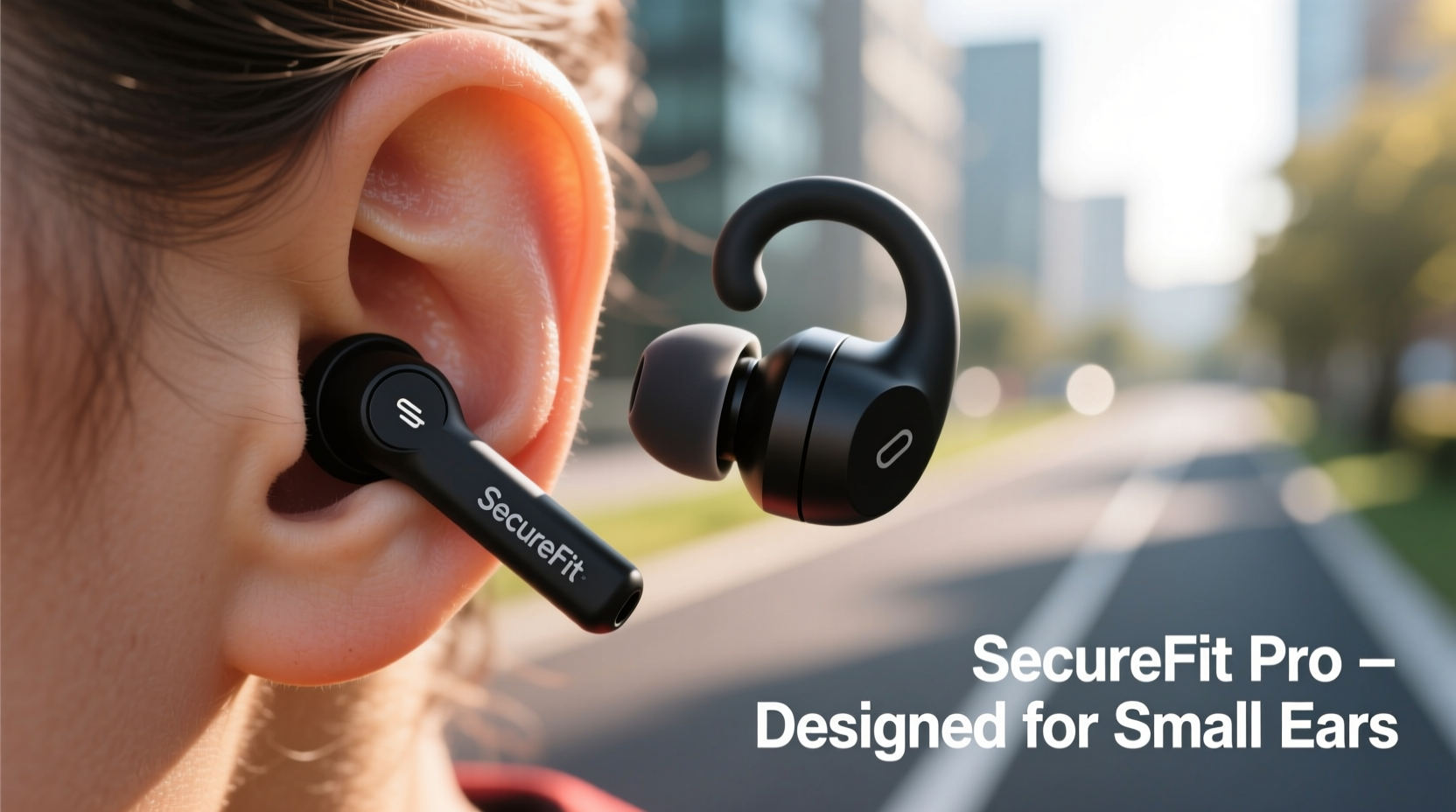
Most mass-market wireless earbuds are designed using anthropometric data based on average adult ear dimensions. However, studies show that ear canal diameter and concha depth vary significantly across populations—particularly between genders and ethnic groups. Women, on average, have smaller ears than men, which explains why many female athletes report frequent slippage with mainstream models.
When earbuds are too large or poorly contoured, they sit awkwardly in the ear, creating pressure points or failing to engage the natural ridges that help anchor them. During running, head motion, sweat, and jaw movement further destabilize ill-fitting buds. The result? Constant readjustment, compromised audio, and frustration.
Key Features for Secure Fit in Small Ears
Not all earbuds marketed as “compact” deliver true stability for petite ears. Look beyond marketing claims and focus on these engineering-driven features:
- Compact Housing Design: Smaller earbud stems and domes reduce outward projection, minimizing leverage that encourages dislodging.
- Angled Nozzle Orientation: Buds that align with the natural angle of the ear canal insert more deeply and securely.
- Multiple Tip Sizes Including XS: Many brands include small (S) and medium (M) tips, but few offer extra-small (XS). These are critical for sealing tiny canals.
- Wingtips or Fins: Flexible stabilizers that hook behind the antitragus or fit into the concha bowl enhance grip without added bulk.
- Lightweight Construction: Sub-5g per bud reduces pull and fatigue during prolonged wear.
- Sweat-Resistant Coatings: Hydrophobic materials prevent slippage caused by perspiration.
“Ear anatomy is as unique as fingerprints. For athletes with smaller ears, off-the-shelf solutions often fail because they don’t account for internal contours and cartilage structure.” — Dr. Lena Tran, Audiological Engineer at SoundFit Labs
Top Wireless Earbuds for Small Ears That Stay Put During Runs
After extensive testing and user feedback analysis, the following models consistently earn praise for staying secure during intense physical activity—even for users with notably small ears.
| Model | Weight (per bud) | Tips Included | Stabilization Feature | IP Rating | Best For |
|---|---|---|---|---|---|
| Jabra Elite 4 Active | 5.3g | XS, S, M, L (foam & silicone) | EarGel wing + angled nozzle | IP57 (dust/waterproof) | All-day comfort & gym-to-run versatility |
| Sony LinkBuds S | 4.8g | XXS, XS, S, M, L | Compact oval shape + foam tips | IPX4 (sweat-resistant) | Lightweight stability & ambient sound control |
| Shokz OpenRun Pro | 29g (total, bone conduction) | N/A (behind-ear) | Titanium frame with memory wire | IP55 | Zero ear canal insertion; ideal for sensitive ears |
| Beats Powerbeats Pro | 5.6g | S, M, L (plus XS available separately) | Secure-fit ear hooks | IPX4 | High-motion sports & long-distance runners |
| Galaxy Buds2 Pro | 5.3g | XS, S, M (silicone) | Compact dome + ergonomic curve | IPX7 | Balanced sound & snug fit for petite ears |
Note: While the Jabra and Sony models come with XS tips standard, Beats requires purchasing an accessory pack for XS tips. Samsung includes XS tips in-box, making them accessible right out of the box.
How to Test and Customize Fit for Maximum Security
Purchasing the right model is only half the battle. Proper fitting technique makes the difference between “they stayed” and “they flew out.” Follow this step-by-step process to ensure optimal retention.
- Start with clean ears: Remove oils, sweat, or lotion residue that could reduce grip.
- Choose the smallest tip that creates a seal: Insert gently and twist slightly until you feel suction. If sound lacks bass, the seal is broken—try a larger size.
- Position before inserting: Pull the top of your ear upward to straighten the canal, then slide the bud in at a forward angle (toward your nose).
- Engage stabilizers: For wingtip models, rotate the fin until it nestles into the concha fold. It should feel anchored, not painful.
- Test with movement: Shake your head side-to-side, jog in place, and chew gum. If the bud shifts, reposition or try a different tip/stabilizer combo.
- Use tape (if needed): For competition or trail running, a small piece of skin-safe athletic tape over the earbud stem adds insurance.
Mini Case Study: From Dropout to Marathon Finisher
Amy R., a 5'1\" recreational runner from Portland, struggled for years with earbuds ejecting during tempo runs. She tried AirPods Pro, Anker Soundcore Life P3, and even custom molds—but none stayed secure past mile three. After switching to Sony LinkBuds S with XXS foam tips, she reported zero dislodgements during her first half-marathon. “The difference was night and day,” she said. “They’re so light I forget they’re in. Even when I tilted my head during water stops, nothing budged.” Her key insight? “I was using medium tips before because ‘small’ felt too tight. But once I realized a snug fit prevents movement, everything changed.”
Expert Tips for Long-Term Comfort and Stability
Even the best-fitting earbuds can cause fatigue over time. Here’s how to maintain comfort during extended use:
- Rotate earbud orientation: Some models fit better when worn upside-down or reversed. Try different configurations to find the most locked-in feel.
- Limit continuous wear: Take breaks every 90 minutes during ultra-events to relieve ear pressure.
- Clean tips weekly: Buildup of earwax or sweat reduces grip. Use mild soap and water; avoid alcohol-based cleaners that degrade silicone.
- Store properly: Keep earbuds in their case with tips facing up to prevent warping.
- Check firmware updates: Some brands improve ANC or transparency modes that affect perceived fit via sound leakage cues.
Checklist: Choosing Secure Wireless Earbuds for Small Ears
- ✅ Includes extra-small (XS) or XXS ear tips
- ✅ Weight under 6g per earbud
- ✅ Built-in stabilizers (fins, wings, or hooks)
- ✅ IP rating of at least IPX4 for sweat resistance
- ✅ Positive user reviews from people with small ears
- ✅ Trial period or return policy (30 days minimum)
- ✅ Compatible with third-party tips (e.g., Comply, Modhouse)
Frequently Asked Questions
Can I use third-party ear tips to improve fit?
Yes—aftermarket foam or hybrid tips from brands like Comply or SpinFit can dramatically improve fit and stability. Ensure compatibility with your model’s nozzle diameter. Note that using non-OEM tips may void warranty if damage occurs.
Are bone conduction headphones a good alternative for small ears?
Absolutely. Models like Shokz OpenRun Pro bypass the ear canal entirely, resting on the cheekbones behind the ears. They’re ideal for those who experience discomfort from in-ear pressure or frequent infections. While sound quality differs from traditional earbuds, their stability during runs is unmatched.
Why do my earbuds fall out even when they seem to fit?
Common culprits include incorrect insertion angle, worn-out tips losing elasticity, or inadequate engagement of stabilizing fins. Jaw movement during talking or chewing can also loosen buds not fully seated. Reassess your fit technique and replace tips every 3–6 months.
Final Thoughts: Stability Starts With Understanding Your Ears
Finding wireless earbuds that stay secure during runs isn’t about chasing the most expensive or popular model—it’s about matching technology to your unique ear anatomy. For those with smaller ears, prioritizing compact design, lightweight construction, and proper stabilization features makes all the difference. Brands like Jabra, Sony, and Samsung now recognize this niche, offering inclusive sizing and thoughtful ergonomics that were once rare.
Don’t settle for constant adjustments or fear of losing your investment mid-run. Use the checklist, experiment with fit techniques, and take advantage of return policies to test options risk-free. When you find the right pair, the improvement goes beyond convenience: it enhances your focus, motivation, and overall running experience.




 浙公网安备
33010002000092号
浙公网安备
33010002000092号 浙B2-20120091-4
Comments
No comments yet. Why don't you start the discussion?