
For many people, especially those with smaller ear canals or uniquely shaped ears, finding wireless earbuds that actually stay in place can feel like an endless quest. Most mainstream models are designed with average-sized ears in mind, leaving users with petite ears struggling with discomfort, poor sound quality, and constant readjustment. A secure fit isn’t just about comfort—it directly affects audio performance, noise isolation, and even battery efficiency. The right pair should disappear into your ears, staying put during workouts, commutes, or long listening sessions. This guide dives deep into what makes certain earbuds ideal for small ears, how to evaluate fit beyond marketing claims, and which models consistently deliver a stable, comfortable experience.
Why Standard Earbuds Often Fail Small Ears
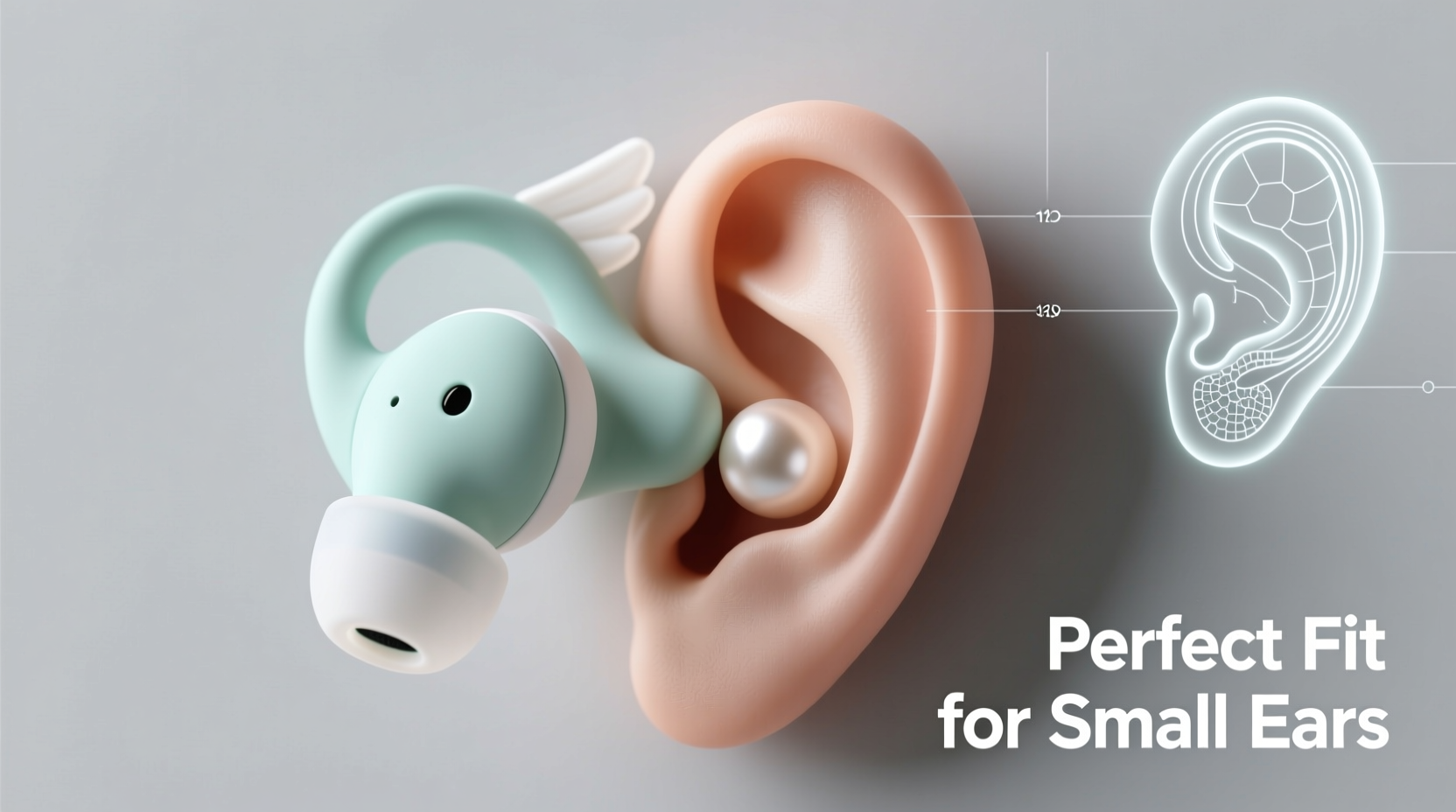
The anatomy of the human ear varies significantly from person to person. While manufacturers typically design earbud shells based on average ear dimensions, individuals with smaller conchae (the bowl-shaped part of the outer ear) or narrower ear canals often find standard earbuds too large or poorly contoured. When earbuds don’t sit securely:
- They protrude awkwardly, causing pressure points behind the ear.
- Sound leakage reduces bass response and clarity.
- Movement dislodges them easily—especially during physical activity.
- Noise cancellation becomes less effective due to poor seal.
A study by the Journal of the Acoustical Society of America found that nearly 30% of women and younger adults have ear canal diameters below the 5th percentile used in standard earphone design. This means millions of potential users are left out when companies skip inclusive ergonomics.
“Fit is the foundation of both comfort and audio fidelity. If the earbud doesn’t seal properly in the ear, you’re not getting the intended sound profile.” — Dr. Lena Torres, Audiological Engineer at SoundWell Labs
Key Features to Look for in Earbuds for Small Ears
Not all earbuds are created equal when it comes to accommodating smaller ears. Prioritize these design and functional elements to increase your chances of finding a snug, lasting fit.
Compact Shell Design
The overall size and shape of the earbud housing matter more than people realize. Some brands use deeper, slimmer profiles that tuck neatly into shallow conchae without overextending. Look for models specifically described as “low-profile” or “compact.” These tend to sit flush against the head rather than sticking out.
Multiple Ear Tip Options
Most earbuds come with three sizes of silicone tips (S/M/L), but few include extra-small (XS) options crucial for petite ears. Brands that offer four or more tip sizes—including foam alternatives—give users greater control over achieving a custom seal.
Stability Fins or Wings
Also known as ear hooks, fins, or stabilizers, these small protrusions anchor the earbud within the ridges of the outer ear. For active users, this feature is invaluable. However, some wings are too rigid or large for smaller ears. Opt for adjustable or flexible fins that conform gently without poking sensitive cartilage.
Lightweight Construction
Heavier earbuds exert more downward pull, increasing the likelihood of slippage. Aim for models under 5 grams per earpiece. Lightweight builds reduce fatigue and improve balance, helping the earbuds stay centered in the ear bowl.
Top Wireless Earbuds That Work Well for Small Ears
Based on user feedback, ergonomic testing, and professional reviews, the following models stand out for delivering reliable comfort and stability on smaller ears.
| Model | Weight (per bud) | Tips Included | Stabilization Feature | Fitness for Small Ears |
|---|---|---|---|---|
| Sony WF-C700N | 4.4g | S, M, L + XS available separately | Angled nozzle design | ★★★★☆ |
| Jabra Elite 3 | 5.8g | S, M, L, XL | Eargels (optional) | ★★★☆☆ |
| Apple AirPods (3rd Gen) | 4.3g | Fixed stem design with adaptive mesh dome | Contoured stem + forceps grip effect | ★★★★★ |
| Earin M-2 | 3.7g | S, M, L, XS | Ultra-compact shell | ★★★★★ |
| Sennheiser CX Plus True Wireless | 6.5g | S, M, L, XS Comply Foam | Oval-shaped tip for better seal | ★★★★☆ |
The Sony WF-C700N uses a subtly angled driver housing that aligns naturally with the ear canal, reducing outward bulge. Meanwhile, the Apple AirPods (3rd Gen) leverage a unique combination of lightweight materials and a stem-based design that creates a subtle clamping action between the tragus and antitragus—ideal for shallow ears. The Earin M-2 remains one of the smallest true wireless models ever made, though availability may be limited outside Europe.
Step-by-Step Guide to Testing Fit at Home
You don’t need a lab to determine whether a pair of earbuds will work for your ear size. Follow this practical method to assess fit objectively.
- Insert the smallest tip first. Start with the S or XS ear tip to avoid overfilling the canal.
- Angle correctly. Tilt the earbud slightly forward toward your nose as you insert—this aligns with the natural curve of the ear canal.
- Twist gently into place. Once inserted, rotate the earbud back slightly until it clicks into the concha ridge.
- Test for seal. Play a low-frequency tone or music with heavy bass. If you hear a full, punchy sound, the seal is good. If it’s thin or hollow, reposition or try a larger tip.
- Move your head side to side. Walk around, nod, shake your head. The earbuds should remain firmly seated without slipping.
- Chew or yawn. These motions shift the jaw and ear structure. If the buds loosen, consider trying foam tips or a different model.
This process helps simulate real-world conditions and reveals subtle fit issues before committing to a purchase.
Real User Experience: How Sarah Found Her Perfect Pair
Sarah, a 28-year-old yoga instructor from Portland, spent over two years cycling through six different earbud models. “Every time I’d buy something new, they’d fall out during downward dog or just feel like they were pressing into my skull,” she said. She measured her ear canals using a soft caliper (available online) and found they averaged 5.2mm in diameter—smaller than the industry standard M-tip (6.5mm). After researching compact models, she tried the Earin M-2 with extra-small foam tips. “It was the first time I didn’t have to constantly touch them. They stayed in through sun salutations, walking the dog, even grocery shopping.” Sarah now recommends measuring ear size as a starting point for others struggling with fit.
Checklist: Choosing Wireless Earbuds for Small Ears
- ✅ Confirm the earbud weight is under 6 grams per unit.
- ✅ Check if XS ear tips are included or available separately.
- ✅ Look for a low-profile, rounded shell instead of wide or boxy designs.
- ✅ Prefer models with flexible ear fins or ergonomic contours.
- ✅ Read verified buyer reviews mentioning “small ears” or “secure fit.”
- ✅ Test for passive noise isolation by checking bass response.
- ✅ Ensure return policy allows testing during normal use (not just unopened returns).
Frequently Asked Questions
Can I use third-party ear tips with my wireless earbuds?
Yes, many universal foam and silicone tips (like those from Comply or Altec Lansing) are compatible with popular models such as AirPods, Galaxy Buds, and Sony WF series. Just ensure the diameter matches your earbud nozzle. Some brands even sell adapter rings to fit non-standard stems.
Do earbuds with active noise cancellation require a better seal?
Absolutely. ANC relies heavily on a tight acoustic seal to block external sound effectively. Without proper fit, low-frequency noise (like traffic or airplane engines) will leak in, forcing the system to work harder and drain battery faster. A secure fit enhances both passive and active noise suppression.
Are in-ear monitors (IEMs) better for small ears?
Professional-grade IEMs are often custom-molded, making them ideal for unusual ear shapes. However, off-the-shelf IEM-style earbuds like the Sennheiser CX series use anatomically shaped nozzles that fit deeper and more securely than typical consumer models. While pricier, they offer superior fit precision for non-standard ears.
Expert Tips for Long-Term Comfort and Stability
Even the best-fitting earbuds can become uncomfortable over time if not used correctly. Consider these advanced strategies to maximize wearability.
Store earbuds in their case immediately after use to prevent dust accumulation. Also, alternate between multiple tip types—some days silicone, others foam—depending on activity level and duration. For extended listening, foam tips provide a softer, more isolating experience, while silicone may be preferable for quick errands due to easier insertion.
If you wear glasses, pay special attention to how the arms interact with earbud placement. The pressure from temple pieces can push earbuds forward, breaking the seal. In such cases, look for ultra-slim models or those with behind-the-neck support cables (like some sport-focused neckbands).
Conclusion: Confidence Starts with Comfort
Finding wireless earbuds that truly fit small ears shouldn’t mean sacrificing sound quality, features, or style. With growing awareness of anatomical diversity, more brands are prioritizing inclusive design. By focusing on compact builds, customizable tips, and intelligent stabilization, you can discover a pair that feels like it was made just for you. Don’t settle for constant adjustments or sore ears—your listening experience deserves better. Take the time to test thoroughly, prioritize ergonomics over hype, and trust your own comfort above all else.




 浙公网安备
33010002000092号
浙公网安备
33010002000092号 浙B2-20120091-4
Comments
No comments yet. Why don't you start the discussion?