
When it comes to protecting your home from intruders, few investments matter more than a reliable security system. But with two dominant technologies—wireless and wired—many homeowners face a critical decision: which one actually deters burglars more effectively? While both offer protection, their approach, reliability, and psychological impact on would-be intruders differ significantly. Understanding these distinctions is essential for choosing the right defense strategy.
The goal isn’t just to detect break-ins but to prevent them. A truly effective system discourages criminals before they act. This article breaks down how wireless and wired systems compare in terms of visibility, reliability, installation, and overall crime deterrence, backed by real-world insights and expert recommendations.
How Burglars Choose Targets
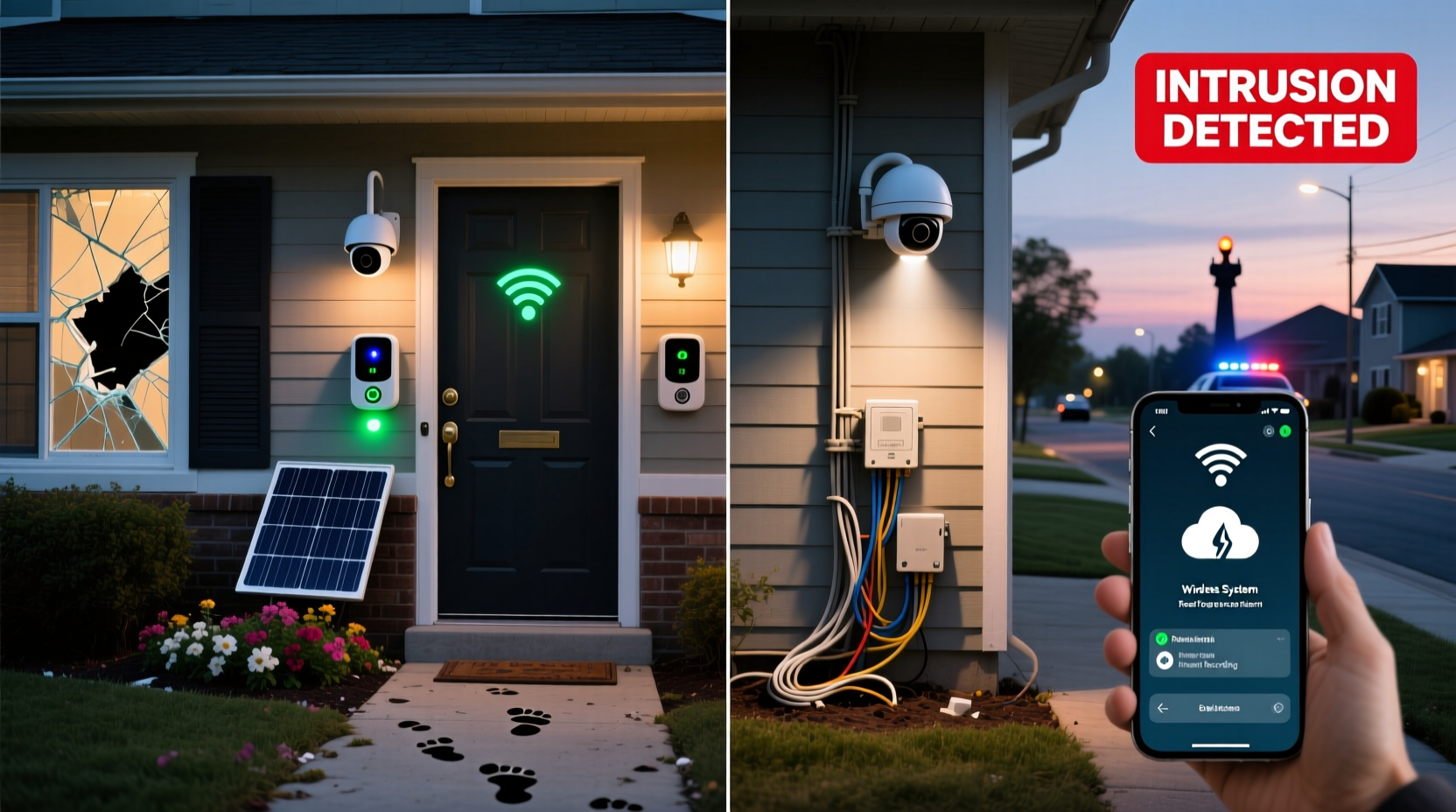
Burglars don’t typically target homes at random. Studies show that most residential break-ins are opportunistic. According to the U.S. Department of Justice, nearly 60% of burglaries occur during daylight hours when occupants are away, and many perpetrators spend less than a minute inside the property. Their primary concerns? Speed, stealth, and avoiding detection.
Visible deterrents play a major role in influencing criminal decisions. A 2019 study by the University of North Carolina found that 60% of convicted burglars admitted they would avoid homes with visible security systems. Another 59% said they would check for alarm signs or cameras before attempting entry. This means the mere presence of a security setup can be enough to redirect a threat elsewhere.
However, not all systems send the same message. The perceived strength, complexity, and reliability of a security system influence how seriously a burglar takes it. That’s where the difference between wireless and wired systems begins to matter—not just in function, but in perception.
Wired Security Systems: Strength in Stability
Wired security systems have been the standard in home protection for decades. These systems connect sensors (door/window contacts, motion detectors) directly to a central control panel using physical wiring. Power is typically supplied through the home’s electrical grid, with battery backups for outages.
One of the biggest advantages of wired systems is their reliability. Because they operate on dedicated circuits, they are less susceptible to signal interference, Wi-Fi disruptions, or hacking via network vulnerabilities. They also tend to have lower false alarm rates since signal transmission is stable and consistent.
“Wired systems are still the gold standard for commercial and high-risk residential installations because of their tamper resistance and consistent performance.” — David Langston, Certified Security Consultant (CSP)
From a burglar’s perspective, seeing hardwired components—such as conduit running along baseboards or fixed control panels—signals a professionally installed, difficult-to-bypass system. The permanence of wiring suggests long-term investment in security, making the home appear less vulnerable.
However, wired systems come with notable drawbacks. Installation requires drilling, wall modifications, and often professional labor, making them costly and invasive. Retrofitting an older home can be especially challenging. Additionally, if wires are cut—either externally or inside walls—the entire system may fail unless monitored with cellular backup.
Wireless Security Systems: Visibility and Flexibility
Wireless systems have surged in popularity due to their ease of installation and modern aesthetics. These systems use radio frequency signals (typically 868 MHz, 915 MHz, or Wi-Fi) to communicate between sensors, cameras, and the central hub. Power is usually provided by batteries, with some models supporting rechargeable or solar options.
The standout advantage of wireless systems is their visibility. Most units are designed to be seen—featuring bold branding, blinking status lights, and prominent placement near entry points. Door sensors with bright labels, outdoor cameras with IR LEDs, and yard signs all contribute to a strong psychological deterrent.
Modern wireless systems also integrate smart features like mobile alerts, live video streaming, and remote arming/disarming. This responsiveness increases perceived monitoring—even if no one is home. A burglar who sees a camera pan or receive a notification that someone is watching may abandon the attempt immediately.
Despite these strengths, wireless systems face skepticism over reliability. Battery failures, signal jamming, and Wi-Fi outages can disable components without immediate notice. Some low-cost systems lack encryption, making them vulnerable to spoofing or deactivation by tech-savvy intruders. However, top-tier brands now include anti-jamming technology, end-to-end encryption, and LTE backup to mitigate these risks.
Comparative Analysis: Key Differences That Matter
To determine which system deters more effectively, it's essential to evaluate multiple factors beyond just technology. The following table compares wired and wireless systems across critical categories:
| Feature | Wired System | Wireless System |
|---|---|---|
| Installation Complexity | High – requires drilling, wall access, professional help | Low – DIY-friendly, adhesive mounts, plug-and-play |
| Visibility to Intruders | Moderate – components often concealed in walls | High – visible hubs, blinking lights, branded hardware |
| Reliability | Very high – immune to Wi-Fi issues, stable power | Variable – depends on battery life, signal strength |
| Vulnerability to Tampering | Medium – wires can be cut if accessible | Medium – signals can be jammed (in cheaper models) |
| Scalability | Low – adding sensors requires new wiring | High – easy to add devices via app pairing |
| Deterrence Effectiveness | Strong due to perceived professionalism | Very strong due to high visibility and active alerts |
The data shows a clear trade-off: wired systems excel in backend reliability, while wireless systems dominate in upfront deterrence. For preventing break-ins, visibility often outweighs invisibility. A criminal scanning a neighborhood is more likely to skip a house with obvious cameras and alarm decals than one with no visible defenses—even if the latter has a robust wired system behind the walls.
Real-World Example: Two Homes, One Neighborhood
In a suburban neighborhood outside Atlanta, two adjacent homes took different approaches to security. Home A installed a premium wired alarm system with motion sensors, glass-break detectors, and 24/7 professional monitoring. Everything was neatly concealed, with no external signage. The system was highly reliable but invisible to outsiders.
Home B opted for a wireless system from a leading brand. It included four outdoor cameras with night vision, doorbell cam, window stickers, and a front-yard alarm sign. The cameras had status lights, and the homeowner frequently shared short clips on social media showing package deliveries and motion alerts.
Three months later, a smash-and-grab burglary occurred. The target? Home A. The burglar entered through a side window, grabbed electronics, and fled in under 90 seconds. Police reports noted no signs of forced entry on Home B, despite being equally accessible.
Interviews with apprehended suspects later revealed that Home B “looked too risky” due to the visible cameras and alarm branding. Home A, though secure internally, gave no outward indication of protection. This case illustrates a crucial point: deterrence begins before the crime ever starts.
Expert Recommendations for Maximum Deterrence
Security professionals agree that the best approach combines the strengths of both systems. Purely relying on one technology may leave gaps. The following checklist outlines actionable steps to maximize burglar deterrence regardless of system type:
- Display yard signs and window decals—even if you have a basic system
- Install visible surveillance cameras at all entrances and dark zones
- Use smart lighting integrated with motion sensors or schedules
- Ensure your system includes cellular or LTE backup to survive internet/power loss
- Enable remote notifications so you can respond to alerts in real time
- Regularly test sensors and replace batteries every 6–12 months
- Choose systems with anti-tamper and anti-jamming features
“The most effective deterrent isn’t the technology itself—it’s the perception of constant monitoring. Whether wired or wireless, if a burglar believes they’re being watched, they’ll move on.” — Lt. Maria Chavez, Retired Police Crime Prevention Unit
Step-by-Step Guide to Choosing the Right System
Selecting between wireless and wired should follow a structured evaluation. Follow this timeline to make an informed decision:
- Week 1: Assess Your Risk Profile
Consider location, home size, construction type, and local crime rates. High-crime areas benefit from faster response and redundancy. - Week 2: Evaluate Installation Feasibility
For new builds or renovations, wired systems are easier to embed. For renters or finished homes, wireless is more practical. - Week 3: Define Budget and Monitoring Needs
Wired systems cost more upfront ($1,500–$3,000+ with labor). Wireless ranges from $300–$1,200 for self-monitored setups. Decide whether professional monitoring is worth the monthly fee. - Week 4: Prioritize Deterrence Features
Look for visible cameras, loud sirens, dual-path signaling (Wi-Fi + cellular), and integration with smart home platforms. - Week 5: Test and Optimize
After installation, conduct trial runs. Walk around your property to see what’s visible. Adjust camera angles and sensor placement for maximum exposure.
Frequently Asked Questions
Can wireless systems be hacked or disabled?
Lower-end wireless systems with weak encryption can be vulnerable to signal jamming or spoofing. However, reputable brands use AES encryption, rolling codes, and cellular backup to prevent tampering. Always choose systems certified by UL or Intertek for security standards.
Do wired systems still offer better protection?
In terms of raw reliability and resistance to environmental interference, yes. But protection isn’t just about functionality—it’s about prevention. If a wired system isn’t visible, its protective value diminishes in the critical first phase: deterring the attempt.
Is a hybrid system possible?
Absolutely. Many modern control panels support both wired and wireless sensors. You can use wired connections for critical zones (e.g., main entry doors) and wireless for secondary areas (garage, basement). This offers the stability of wired with the flexibility and visibility of wireless.
Final Verdict: Which Deters More Effectively?
While wired systems offer superior technical resilience, wireless systems win in the arena of deterrence. The reason is simple: visibility drives fear of consequences. Modern wireless setups are designed to be noticed—with flashing LEDs, recognizable brand logos, and public-facing monitoring features that signal active surveillance.
Burglars are risk-averse. They seek easy targets with minimal chance of identification or interruption. A well-marketed wireless system raises that risk dramatically. Even if technically simpler, its psychological impact is stronger.
That said, the ideal solution blends both worlds. Use wired infrastructure where possible for core reliability, and supplement with visible wireless components to amplify deterrence. Pair either system with clear signage, outdoor lighting, and neighborhood watch participation for layered defense.




 浙公网安备
33010002000092号
浙公网安备
33010002000092号 浙B2-20120091-4
Comments
No comments yet. Why don't you start the discussion?