
LED face masks have become a staple in at-home skincare routines, promising clearer skin, reduced inflammation, and improved collagen production. As the market expands, two dominant designs have emerged: wireless and wired models. While both deliver light therapy, their design differences—especially around cords—spark debate. Are those cables truly as disruptive as they seem, or is the convenience of cord-free use overrated? The answer depends on how you use the device, your lifestyle, and what you value most in a skincare tool.
The Core Difference: Design and Mobility
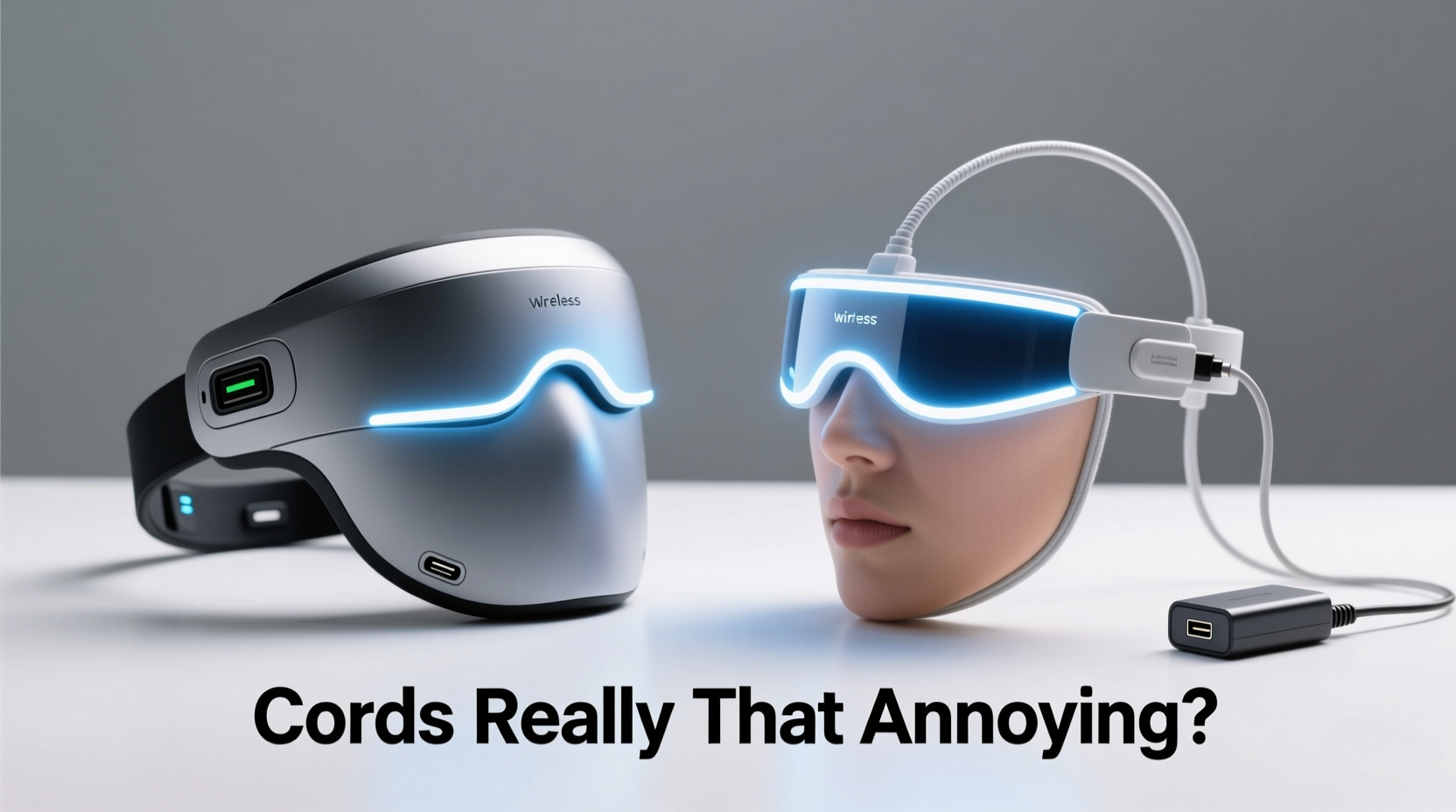
The most obvious distinction between wireless and wired LED masks lies in power delivery. Wired masks connect directly to a power source via a USB or AC adapter, while wireless versions rely on built-in rechargeable batteries. This fundamental difference shapes the user experience in several ways.
Wired masks are typically lighter since they don’t carry internal batteries. They also tend to offer consistent brightness throughout a session, as they draw continuous power. On the flip side, the cord can restrict movement. If you like to lie down, walk around, or multitask during treatment, a wire dangling from your head may feel intrusive—or even hazardous if it gets caught on furniture.
Wireless models eliminate that tether, offering freedom to recline, stretch, or even move between rooms. But this convenience comes with trade-offs: added weight from the battery pack, potential for inconsistent light output as the battery drains, and the need to recharge regularly.
Effectiveness: Does the Cord Affect Results?
From a clinical standpoint, the presence or absence of a cord doesn’t impact the efficacy of LED therapy—as long as the correct wavelengths (typically red at 630nm for anti-aging, blue at 415nm for acne) are delivered at sufficient intensity. What matters more is consistent contact with the skin, proper wavelength coverage, and adherence to recommended treatment times (usually 10–30 minutes).
However, user behavior plays a role. A wired mask might discourage regular use if the setup feels cumbersome. In contrast, the ease of grabbing a wireless mask and starting a session could improve compliance. According to Dr. Lena Patel, a dermatologist specializing in cosmetic technologies:
“Patient adherence is one of the biggest factors in seeing results with at-home devices. If a cord makes someone less likely to use their mask three times a week, then yes—it indirectly affects outcomes.” — Dr. Lena Patel, MD, Cosmetic Dermatology Specialist
Comfort and Practicality Compared
Comfort is highly subjective but critical for long-term use. Below is a comparison of key practical factors between wireless and wired LED masks:
| Feature | Wired Masks | Wireless Masks |
|---|---|---|
| Mobility | Limited by cord length (~3–6 ft) | Full range of motion |
| Weight | Lighter (no battery) | Heavier due to embedded battery |
| Brightness Consistency | Stable throughout session | May dim slightly as battery depletes |
| Setup Time | Plug in and go | Requires charging; risk of dead battery |
| Durability | Cord wear over time; plug damage possible | Battery lifespan limits total usage (~500 charges) |
| Price | Generally $50–$150 | Typically $120–$250 |
For users who prioritize stability and lower cost, wired models often make sense. Those who value flexibility—like using the mask during evening downtime while lounging on the couch or doing light stretching—may find wireless options worth the investment.
Real-World Scenario: Two Users, Two Choices
Consider Sarah, a busy marketing executive. She uses her LED mask after work while unwinding with a podcast. She prefers to lie flat on her yoga mat, sometimes shifting positions. Her first mask was wired, but she frequently knocked over her nightstand trying to reposition. After switching to a wireless model, she found herself using it 80% more often simply because setup felt effortless.
Then there’s James, a tech-savvy engineer who values precision. He uses his wired mask at a dedicated station with a timer and notes in a skincare journal. He appreciates the uninterrupted power and lighter weight. For him, the cord is not an obstacle—it’s part of a ritual. He finds wireless models bulky and dislikes worrying about battery life before each session.
Their experiences highlight a key insight: the “annoyance” of cords isn’t universal. It depends on environment, habits, and personal tolerance for minor inconveniences.
Step-by-Step: Choosing the Right Mask for Your Lifestyle
Follow this decision-making process to determine which type suits you best:
- Assess your routine: Do you sit at a vanity, lie down, or move around during treatments?
- Evaluate your space: Is there an outlet near your preferred spot? Can the cord be safely routed?
- Consider frequency: Will you use it 3+ times per week? If so, ease of access matters more.
- Test weight sensitivity: Try holding a small phone against your face for 15 minutes. If it feels heavy, a wireless mask may strain your neck.
- Check charging habits: Do you forget to charge devices? A dead battery could derail consistency.
- Set a budget: Wireless models are generally pricier. Decide if the mobility justifies the cost.
Common Misconceptions About Cords
Many assume cords are inherently outdated or unsafe. In reality, modern LED mask wires are designed to be low-voltage and durable. Most operate under 5V, posing no electrical risk. Tangles and tripping hazards exist but are manageable with proper cord management—such as using clips or routing behind furniture.
Another myth is that wireless = more advanced. While battery integration requires engineering, it doesn’t equate to better performance. Some high-end clinical devices remain wired because reliability trumps portability in professional settings.
FAQ: Addressing Common Concerns
Do wired LED masks limit where I can use them?
Yes, but only within the length of the cord. Most come with 4–6 foot cables, which allow use beside a bed or desk. Using an extension cord or power strip can expand your range. Just ensure the setup remains safe and tangle-free.
How long do wireless LED mask batteries last?
Most last 1.5 to 3 years depending on usage and charging cycles. Typical battery life per charge is 20–40 minutes—enough for one full session. Over time, capacity diminishes, requiring more frequent charging or eventual replacement.
Is one type safer than the other?
Both are equally safe when used as directed. LEDs are non-invasive and emit low heat. The main safety consideration is avoiding eye exposure—always use included eye protection, regardless of power source.
Final Checklist Before You Buy
- ✅ Determine your primary usage location (bed, sofa, vanity)
- ✅ Measure distance to nearest power outlet
- ✅ Consider how often you’ll realistically use the mask
- ✅ Test comfort by simulating wear (check strap fit and weight)
- ✅ Verify warranty and customer support options
- ✅ Read user reviews focusing on long-term durability
- ✅ Confirm FDA-cleared status or equivalent regulatory approval
Conclusion: It’s Not Just About the Cord
The debate between wireless and wired LED face masks isn’t really about cords—it’s about alignment with your lifestyle. A wire isn’t inherently bad, nor is battery power automatically superior. What matters is whether the device fits seamlessly into your routine. For some, the slight inconvenience of a cord is negligible compared to consistent brightness and lower cost. For others, the freedom to relax without constraints makes wireless indispensable.
Rather than chasing trends, focus on usability, build quality, and proven light therapy specs. Whether powered by plug or battery, the best mask is the one you’ll actually use consistently. Choose based on your habits, not hype.




 浙公网安备
33010002000092号
浙公网安备
33010002000092号 浙B2-20120091-4
Comments
No comments yet. Why don't you start the discussion?