
Navigating professional dress codes can be confusing, especially when budgets are tight or closet space is limited. One common question arises: Can the same clothing—specifically a work pants set—double as an interview outfit? The short answer is yes, sometimes. But success depends on fabric, fit, styling, and the industry you're entering. Understanding the subtle differences between functional workwear and polished interview attire helps ensure you present yourself confidently in any professional setting.
Understanding the Purpose of Each Outfit
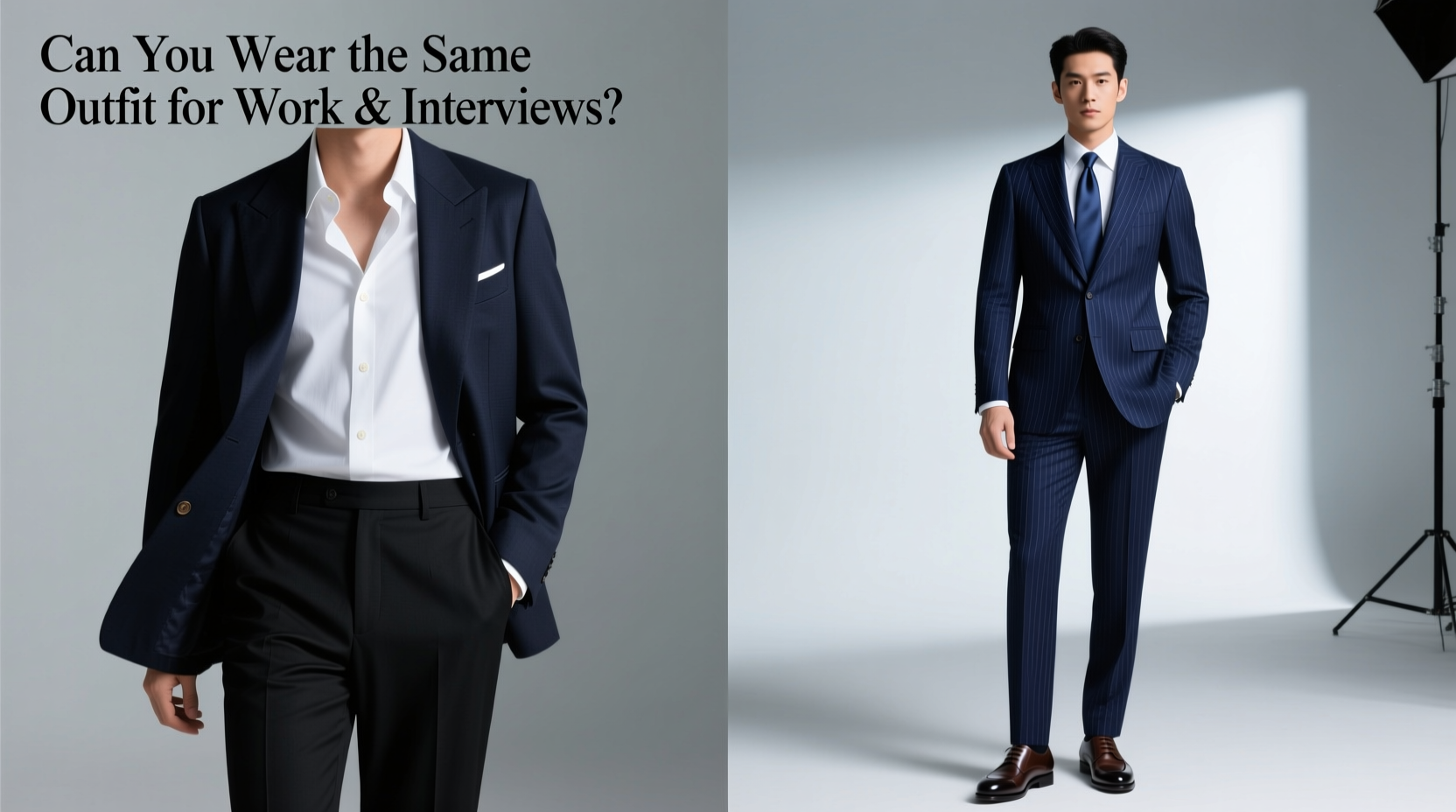
A work pants set typically refers to durable, often casual or semi-formal trousers paired with a matching top, commonly worn in service roles, healthcare, hospitality, or manual labor environments. These sets prioritize comfort, durability, and ease of movement. Fabrics like cotton blends, stretch twill, or performance synthetics dominate this category.
In contrast, an interview outfit must project professionalism, attention to detail, and respect for the hiring process. It should align with the company’s culture—whether corporate, creative, or casual—and subtly communicate that you’re ready to integrate into their team. While not always requiring a full suit, interview attire leans toward structured pieces in neutral tones with minimal wear and precise tailoring.
The overlap occurs when a work pants set is made from refined materials, fits well, and lacks overt branding or utilitarian features (like multiple tool pockets). In such cases, strategic accessorizing and layering can elevate the look from “on-the-clock” to “ready to lead.”
When It Works: Turning Work Pants Into Interview Wear
Not all workwear transitions seamlessly into interview-ready ensembles. However, if your work pants set meets certain criteria, it can serve double duty without compromising your image.
Consider these factors before using a work pants set for an interview:
- Fabric Quality: Opt for wool blends, mid-weight twill, or crease-resistant materials that drape well and resist wrinkling.
- Clean Lines: Avoid visible logos, excessive pockets, or rugged stitching. Minimalist designs translate better to formal settings.
- Fit: Tailored but comfortable—neither too loose nor too tight. Tapered legs and a clean waistband enhance polish.
- Color: Stick to navy, charcoal gray, black, or dark brown. These colors convey seriousness and versatility.
If your work pants meet these standards, they can form the foundation of a credible interview outfit when paired appropriately.
Step-by-Step Guide: Elevating Your Work Pants Set for an Interview
- Start with Clean, Pressed Garments: Launder and iron your pants and top. Remove lint, stains, and odors completely.
- Swap the Top: Replace the uniform-style shirt with a crisp button-down, blouse, or tailored knit top in white, light blue, or soft gray.
- Add Structure: Layer with a blazer or structured cardigan in a complementary color.
- Choose Professional Footwear: Closed-toe flats, oxfords, or low heels in black or brown leather finish the look.
- Refine Accessories: Use a simple belt, minimal jewelry, and a professional bag or portfolio to complete the ensemble.
Work Pants vs Interview Outfit: Key Differences at a Glance
| Feature | Work Pants Set | Interview Outfit |
|---|---|---|
| Primary Goal | Durability & mobility | Professionalism & impression |
| Fabric | Performance blends, cotton-polyester | Wool, rayon, fine cotton |
| Fit | Slightly relaxed for movement | Tailored, slim, or classic cut |
| Details | Tool pockets, reinforced seams | Clean lines, minimal hardware |
| Footwear Pairing | Clogs, sneakers, steel-toe boots | Dress shoes, loafers, pumps |
| Acceptable for Interviews? | Only if upgraded significantly | Yes, by design |
Real-World Example: Maria’s Healthcare Job Interview
Maria works as a medical assistant and wears navy poly-cotton scrubs daily. When applying for a clinic coordinator role—a position with more client interaction—she wondered if she could adapt her current wardrobe for the interview.
Her scrubs were clean and well-maintained, but the top had a small embroidered logo and side pockets. Instead of buying new clothes, she purchased a plain navy blazer and swapped her clogs for pointed-toe flats. She wore a tucked-in silk-shell blouse under the scrub top (which she unzipped fully to hide the collar), creating a layered effect that masked the uniform appearance.
The result? A polished, approachable look that respected the clinical environment while signaling administrative readiness. She got the job and later invested in a dedicated interview suit—but proved that resourcefulness and smart styling matter.
“Your outfit doesn’t need to be expensive—it needs to look intentional. That means fit, coordination, and confidence.” — Jamal Reeves, Career Stylist & Image Consultant
Checklist: Can You Wear Your Work Pants to an Interview?
Use this checklist to evaluate your work pants set before deciding:
- ✅ Are the pants free of stains, fraying, or noticeable wear?
- ✅ Is the fabric wrinkle-resistant and non-uniform in appearance?
- ✅ Do they have a tailored silhouette rather than a baggy or overly utilitarian cut?
- ✅ Can you pair them with a collared shirt or blouse instead of the original top?
- ✅ Do you have access to a blazer or structured outer layer?
- ✅ Can you wear professional footwear that complements the look?
- ✅ Does the overall ensemble match the company’s known dress code?
If you answered “yes” to most of these, your work pants may be suitable—with thoughtful upgrades.
Industry-Specific Considerations
The acceptability of reusing workwear varies widely by field:
- Corporate/Finance/Law: Unlikely. Suits or conservative separates are expected. Even high-quality pants may fall short without a jacket.
- Creative Fields (Design, Marketing): Possible, especially if your work pants are modern and styled with unique but tasteful accessories.
- Healthcare/Technical Roles: More feasible if transitioning from clinical duties to administrative interviews. Focus on minimizing uniform cues.
- Retail/Hospitality: Likely acceptable, particularly if the employer uses similar uniforms. Emphasize grooming and presentation.
When in doubt, research the company’s culture. Check their website, social media, or LinkedIn photos to gauge typical employee attire.
FAQ
Can I wear black work pants and a black top to a job interview?
You can—if the pieces look like coordinated business attire. Avoid matching sets that resemble uniforms. Instead, mix the pants with a different top, add a blazer, and wear formal shoes to break the “uniform” impression.
Is it bad to wear the same outfit to work and to an interview?
It depends on perception. If others at your current job wear the same set, interviewers may recognize it as a uniform, which could dilute your professionalism. If your outfit is versatile and elevated, it’s less likely to be seen negatively.
What if I can’t afford a new interview outfit?
Budget constraints are real. Prioritize one key investment—like a blazer or pair of dress shoes—and build around existing quality pieces. Many nonprofits and career centers offer free professional clothing programs.
Conclusion: Dress for the Role You Want
While work pants and interview outfits serve different primary functions, they don’t need to be mutually exclusive. With careful selection, maintenance, and styling, a single well-chosen pants set can transition from daily duties to career advancement opportunities. The key is intentionality: every element of your appearance should signal preparedness, respect, and ambition.




 浙公网安备
33010002000092号
浙公网安备
33010002000092号 浙B2-20120091-4
Comments
No comments yet. Why don't you start the discussion?