
Finding worms in your home can be unsettling. Whether you spot tiny wriggling creatures near drains, under sinks, or crawling across bathroom tiles, their presence is more than just a nuisance—it's a sign that something in your environment needs attention. While most household worms aren’t directly harmful to humans, they indicate underlying moisture, sanitation, or structural issues that should be addressed promptly. Understanding the reasons behind their appearance and knowing how to respond effectively can restore peace of mind and protect your living space.
Common Types of Worms Found Indoors
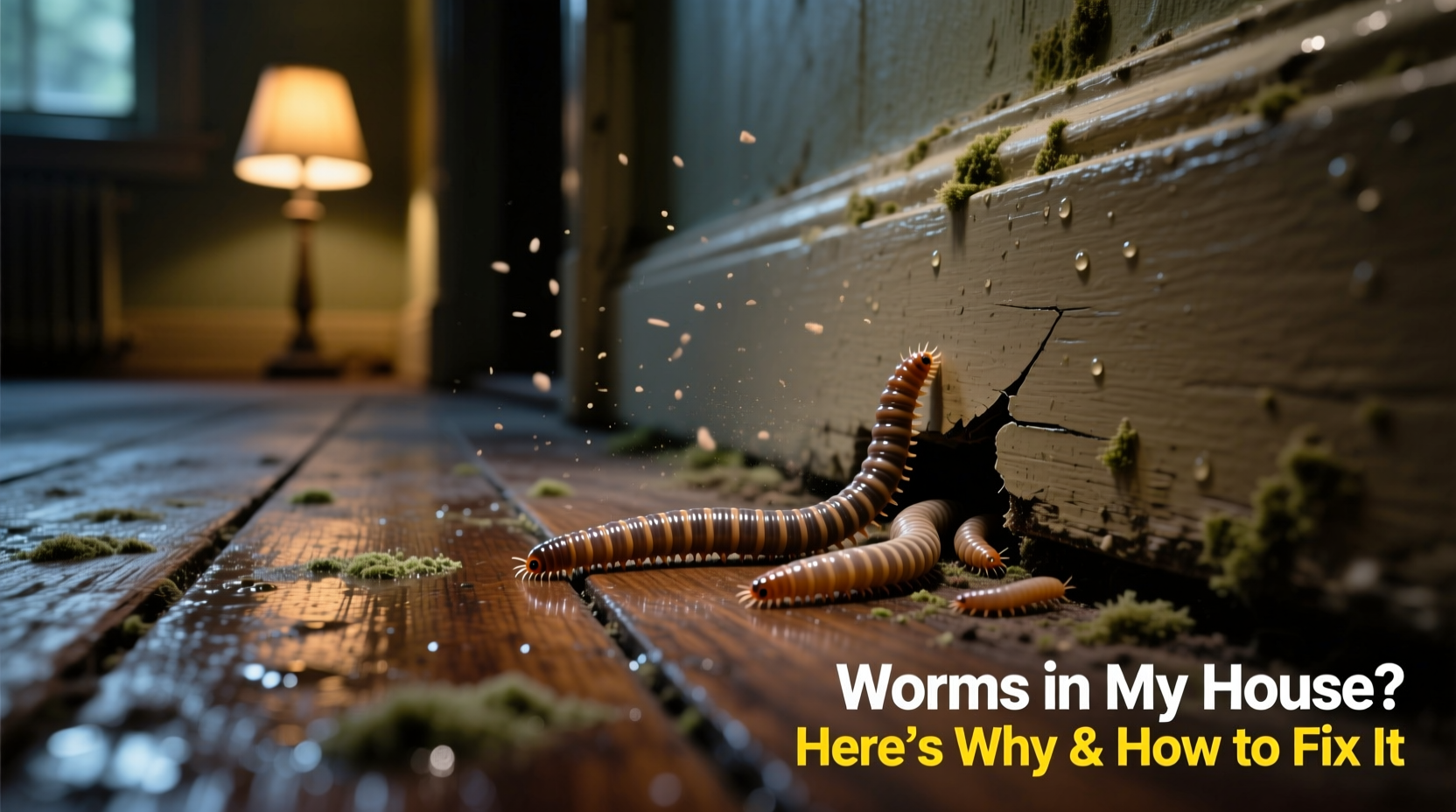
Not all worms are the same, and identifying the type can help determine the source and solution. The most frequently encountered worms inside homes include:
- Drain fly larvae – Often mistaken for worms, these small, dark, segmented creatures live in the gelatinous slime inside drains. They thrive in moist organic buildup.
- Flatworms (planarians) – Thin, flat, and often brown or black, these worms prefer damp environments like basements or bathrooms. Some species are invasive and may enter via potted plants.
- Earthworms – Typically found after heavy rains, they may crawl indoors through foundation cracks or gaps around doors when soil becomes oversaturated.
- Maggots – Though not true worms, fly larvae resemble them. They appear in garbage, pet food remnants, or decaying organic matter.
- Nematodes – Microscopic roundworms usually not visible without magnification, but some free-living species may appear in overly wet indoor plant soil.
Correct identification starts with observation: note color, size, movement pattern, and location. Drain-dwelling “worms” are likely drain fly larvae, while those in soil or potted plants could be nematodes or flatworms.
Why Are Worms Appearing in My House?
Worms don’t typically choose homes as habitats—they’re drawn by specific environmental conditions. The primary factors include:
Excess Moisture
Dampness is the biggest attractant. Leaky pipes, condensation, poor ventilation, or water accumulation in basements and crawl spaces create ideal breeding grounds. Flatworms and drain larvae need constant moisture to survive.
Organic Buildup in Drains
Food particles, hair, soap scum, and biofilm in sink and shower drains provide both food and shelter for drain fly larvae. These can hatch into adult flies that lay more eggs, perpetuating the cycle.
Entry Through Cracks and Openings
Earthworms and certain flatworms enter through foundation cracks, gaps under doors, or utility penetrations, especially during or after rainstorms when outdoor soil is saturated.
Infested Plants or Soil
Potted houseplants can harbor nematodes or flatworms if the soil was contaminated before purchase. Overwatering increases the risk by creating a consistently damp root zone.
Poor Sanitation
Leftover pet food, uncovered trash, or spilled organic matter attract flies whose larvae resemble worms. Even clean homes can develop maggot infestations if waste isn’t managed properly.
“Persistent worm sightings indoors almost always point to hidden moisture problems. Fix the dampness, and you remove the habitat.” — Dr. Linda Chen, Environmental Entomologist
Step-by-Step Guide to Eliminate Worms
Removing worms requires targeted action based on type and origin. Follow this sequence to address the issue thoroughly:
- Identify the Worm Type – Examine where they appear and their physical traits. Use a magnifying glass if needed. This determines your next steps.
- Eliminate Moisture Sources – Repair leaks, use dehumidifiers in basements, ensure proper ventilation in bathrooms, and dry wet areas immediately.
- Clean Drains Thoroughly – For drain fly larvae, pour boiling water down affected drains weekly. Follow with a mixture of baking soda and vinegar, then scrub with a bottle brush to remove biofilm.
- Inspect and Treat Houseplants – Remove plants from suspicion by repotting with sterile soil. Discard old soil far from the home and rinse roots if flatworms are visible.
- Seal Entry Points – Caulk foundation cracks, install door sweeps, and cover vents with fine mesh to prevent re-entry.
- Deep Clean Affected Areas – Scrub floors, baseboards, and corners with a disinfectant solution. Pay special attention to bathrooms and kitchens.
- Monitor for Recurrence – Place sticky traps near drains or damp zones to catch adult flies. Check weekly for new activity.
Do’s and Don’ts: Worm Prevention Table
| Do’s | Don’ts |
|---|---|
| Fix leaks within 24–48 hours | Ignore condensation on windows or walls |
| Run water weekly in guest bathrooms to prevent trap evaporation | Let organic debris accumulate in drains |
| Use exhaust fans during and after showers | Overwater indoor plants |
| Store firewood and compost piles away from the foundation | Leave pet food out overnight |
| Inspect new houseplants before bringing them inside | Seal cracks only with temporary tape or putty |
Real Example: A Basement Flatworm Infestation
A homeowner in Portland, Oregon, began noticing small black worms on the basement floor every morning. Initially dismissed as dirt, closer inspection revealed they were flat, about half an inch long, and moved slowly. After ruling out plumbing issues, they discovered a leaking window well allowing rainwater to seep in. The constant dampness had created a microhabitat for planarian flatworms.
The solution involved installing a window well cover, sealing foundation cracks with hydraulic cement, and running a dehumidifier daily. Within three weeks, the worms disappeared and did not return. This case underscores how localized moisture—even from a single entry point—can lead to infestations.
Prevention Checklist
Stay ahead of future invasions with this actionable checklist:
- ✅ Inspect and repair plumbing leaks monthly
- ✅ Clean sink and shower drains with baking soda and vinegar every two weeks
- ✅ Run bathroom exhaust fans for at least 20 minutes after showers
- ✅ Seal gaps around pipes, doors, and foundation with waterproof caulk
- ✅ Repot indoor plants annually using sterile potting mix
- ✅ Keep gutters and downspouts clear to direct water away from the foundation
- ✅ Store firewood at least 20 feet from the house and elevated off the ground
- ✅ Take out trash regularly and use bins with tight-fitting lids
Frequently Asked Questions
Are worms in my house dangerous?
Most worms found indoors are not directly harmful to humans. However, they can indicate unsanitary conditions or moisture problems that may lead to mold or structural damage. Drain fly larvae, while not disease carriers, suggest unclean plumbing systems.
Can worms come up through toilets?
True worms cannot swim up sealed plumbing traps. What people sometimes see are drain fly larvae or maggots developing in the rim or tank, not emerging from sewer lines. If you suspect sewer intrusion, have a plumber inspect the vent and trap integrity.
How long does it take to get rid of worms completely?
With consistent treatment, most infestations resolve within 2–4 weeks. However, recurrence is common if moisture or organic buildup persists. Ongoing prevention is key to long-term success.
Final Steps Toward a Worm-Free Home
Dealing with worms in your house doesn’t require extreme measures—just diligence and understanding. Most solutions revolve around moisture control, sanitation, and exclusion. Once you’ve eliminated the immediate problem, maintain a routine of inspection and upkeep. Small habits, like pouring boiling water down rarely used drains or checking for condensation in winter, go a long way in preventing recurrence.
Remember, worms are opportunistic. They exploit overlooked vulnerabilities in your home’s defenses. By addressing those weak points, you’re not just removing pests—you’re improving the overall health and safety of your living environment.




 浙公网安备
33010002000092号
浙公网安备
33010002000092号 浙B2-20120091-4
Comments
No comments yet. Why don't you start the discussion?