
Choosing the right phone case is more than just aesthetics—it’s about balancing protection, longevity, and personal expression. In recent years, woven phone cases have surged in popularity, celebrated for their textured surfaces and artisanal appearance. But how do they stack up against traditional solid cases in terms of function and value? While woven designs may look premium, are they truly practical, or are they a fleeting fashion trend masking functional shortcomings?
This analysis dives deep into material science, user experience, and long-term performance to help you decide whether the woven case trend is worth embracing—or avoiding.
The Rise of Woven Phone Cases
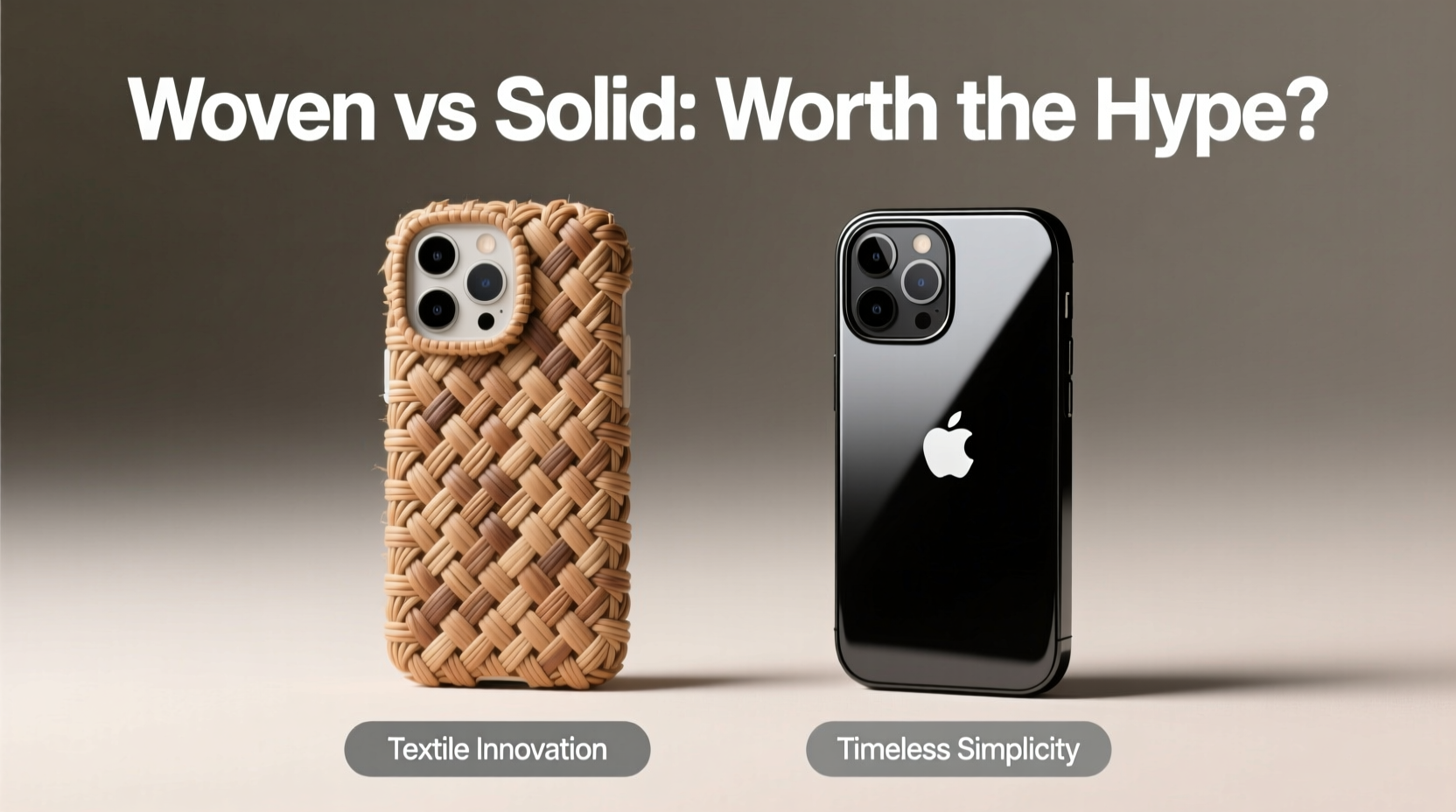
Woven phone cases typically feature a surface made from interlaced synthetic fibers—often nylon, polyester, or TPU thread—woven into intricate patterns resembling fabric or basketweave textures. Brands like Nomad, Incipio, and PopSockets have popularized these designs, marketing them as “premium,” “tactile,” and “eco-conscious” alternatives to glossy plastic or silicone.
The appeal lies in both form and feel. Woven cases offer a non-slip grip, subtle texture, and a distinctive visual identity that stands out in a sea of uniform solid cases. They’re often paired with minimalist design philosophies, appealing to users who favor understated elegance over flashy embellishments.
However, aesthetics alone don’t justify a purchase. Real-world durability, ease of maintenance, and compatibility with daily use matter far more in the long run.
Durability: Texture vs. Resilience
One of the most critical differences between woven and solid cases is resilience under stress. Solid cases, especially those made from polycarbonate, TPU, or hybrid materials, are engineered for impact absorption. Their seamless construction minimizes weak points, making them highly effective at dispersing shock during drops.
In contrast, woven cases introduce a layered structure: a flexible inner shell bonded to an outer woven textile layer. This dual-layer approach can compromise structural integrity. The weave itself may fray over time, especially along edges and corners where friction is highest. Spills, sweat, and pocket lint can also degrade the fibers, leading to discoloration or loosening threads.
“Textile-based accessories add character but require more upkeep. For phones, which endure constant handling, material longevity should outweigh novelty.” — Lena Torres, Product Durability Analyst at TechGear Review
Protection Performance: A Comparative Breakdown
| Feature | Woven Cases | Solid Cases |
|---|---|---|
| Drop Protection | Moderate (depends on internal shell) | High (especially with reinforced corners) |
| Scratch Resistance | Low (weave fibers snag and wear) | High (smooth, sealed surfaces resist abrasion) |
| Grip & Slip Resistance | Excellent (textured surface) | Variable (glossy models slip easily) |
| Water & Stain Resistance | Poor (absorbs moisture and oils) | High (non-porous materials repel liquids) |
| Lifespan (Average) | 6–12 months | 12–24+ months |
The data shows a clear trade-off: woven cases excel in grip and tactile feedback but fall short in environmental resistance and longevity. If your priority is minimizing damage from daily drops and spills, solid cases remain the superior choice.
Style and Personalization: Is the Pattern Worth It?
Let’s be honest—many people choose woven cases because they look unique. Patterns like herringbone, diamond weave, or cross-stitch offer visual depth that solid-colored cases can’t replicate. Limited-edition colorways and collaborations with designers further enhance their collectible appeal.
But trends fade. What feels fresh today might look dated in six months. Solid cases, while less visually adventurous, offer timeless simplicity. Matte black, navy blue, or transparent TPU designs rarely go out of style and blend seamlessly across outfits and settings.
Moreover, woven patterns can attract attention for the wrong reasons. Frayed edges or stained fibers become more noticeable due to the structured design, making wear-and-tear harder to hide. Solid cases, even when scratched, maintain a cleaner overall appearance.
Mini Case Study: One Year with a Woven Case
Jamal, a freelance photographer in Austin, opted for a premium woven case for his iPhone 14 Pro. He loved the sandstone gray weave and its secure grip during shoots. After four months of regular use—slipping it in and out of camera bags, pockets, and car mounts—he noticed fraying near the volume button. By month eight, the bottom edge had darkened from accumulated dirt. Despite gentle cleaning attempts, the stains remained. He replaced it at 11 months, citing “diminished look and feel.”
In contrast, his previous solid matte TPU case lasted nearly two years with minimal signs of wear. While less stylish initially, it proved more reliable under demanding conditions.
Maintenance and Care: The Hidden Effort
Woven cases demand more care than most users anticipate. Unlike solid cases, which can be wiped clean with a damp cloth, woven surfaces trap dust, oils, and debris within their fibers. Standard cleaning methods—like alcohol wipes or soap solutions—can weaken adhesives bonding the textile to the inner shell or cause discoloration.
Manufacturers often recommend spot-cleaning with a soft brush and mild detergent, followed by air drying. But few users follow through consistently. Over time, neglect leads to a grimy, uneven appearance that undermines the case’s original charm.
Solid cases, particularly those with nano-coatings or antimicrobial finishes, resist grime buildup and are easier to sanitize—critical for hygiene-conscious users.
Checklist: Choosing the Right Case for Your Lifestyle
- Evaluate your environment: Do you work outdoors, commute heavily, or handle machinery? Opt for solid cases with rugged builds.
- Assess your grip needs: If you frequently drop your phone, prioritize texture—even if it means a rubberized solid case over woven.
- Consider cleaning habits: Will you clean your case weekly? If not, avoid materials that show dirt easily.
- Think long-term: Are you keeping the phone for 2+ years? Invest in a durable case that ages well.
- Budget for replacement: Woven cases may need replacing annually. Factor this into cost comparisons.
When Woven Cases Make Sense (And When They Don’t)
Woven cases aren’t inherently flawed—they serve specific niches well. They shine in low-impact environments: office workers, creatives, or style-focused users who change phones frequently and value aesthetics over endurance.
They also pair well with wireless charging, as many are designed with thin profiles that don’t interfere with Qi pads. Some models even integrate RFID-blocking layers or built-in cardholders, adding utility beyond looks.
But for active lifestyles, travel, parenting, or outdoor work, solid cases are objectively better. Their resilience, ease of cleaning, and longer service life deliver greater value per dollar spent.
Frequently Asked Questions
Can I wash my woven phone case?
Spot cleaning is recommended. Submerging or machine washing can damage adhesive layers and warp fibers. Use a soft toothbrush with diluted dish soap, then air dry completely before reattaching to your phone.
Do woven cases affect signal strength?
No. The materials used—typically non-metallic synthetics—do not interfere with cellular, Wi-Fi, or GPS signals. However, poorly designed magnetic variants (for car mounts) may disrupt compass functionality.
Are woven cases eco-friendly?
Some brands market them as sustainable due to recycled fiber content. However, the mixed-material construction (fabric + plastic) makes recycling difficult. True sustainability requires end-of-life recyclability, which most woven cases lack.
Final Verdict: Hype or Value?
The woven phone case trend isn’t a complete gimmick—it offers genuine benefits in grip and style. But those advantages come at the cost of durability, maintenance, and long-term reliability. For users seeking a short-term aesthetic upgrade or a conversation piece, they’re a reasonable choice. For everyone else, solid cases remain the smarter investment.
The patterns are eye-catching, yes. But unless you’re prepared to replace your case annually or commit to meticulous upkeep, the hype rarely justifies the practical drawbacks. Function should always precede fashion when protecting a device as essential as your smartphone.




 浙公网安备
33010002000092号
浙公网安备
33010002000092号 浙B2-20120091-4
Comments
No comments yet. Why don't you start the discussion?