
Finding clothing that enhances your natural shape—especially the waist—without compromising comfort is a fashion priority for many. Two popular choices known for their waist-defining silhouettes are wrap tops and peplum blouses. Both styles create an hourglass illusion, but they achieve it in distinctly different ways. The key difference lies in how they interact with the body: one relies on draping and adjustable closure, the other on structured flare and tailored shaping. For those seeking to highlight a small waist without the discomfort of tight elastic or restrictive seams, understanding these nuances is essential.
This article breaks down the structural design, fit mechanics, and styling versatility of both wrap tops and peplum blouses. It evaluates how each garment flatters the midsection, supports posture, and adapts to various body types—all while avoiding constriction. Whether you're dressing for work, a date night, or weekend brunch, knowing which option aligns with your comfort and aesthetic goals can transform your wardrobe choices.
How Wrap Tops Define the Waist Naturally
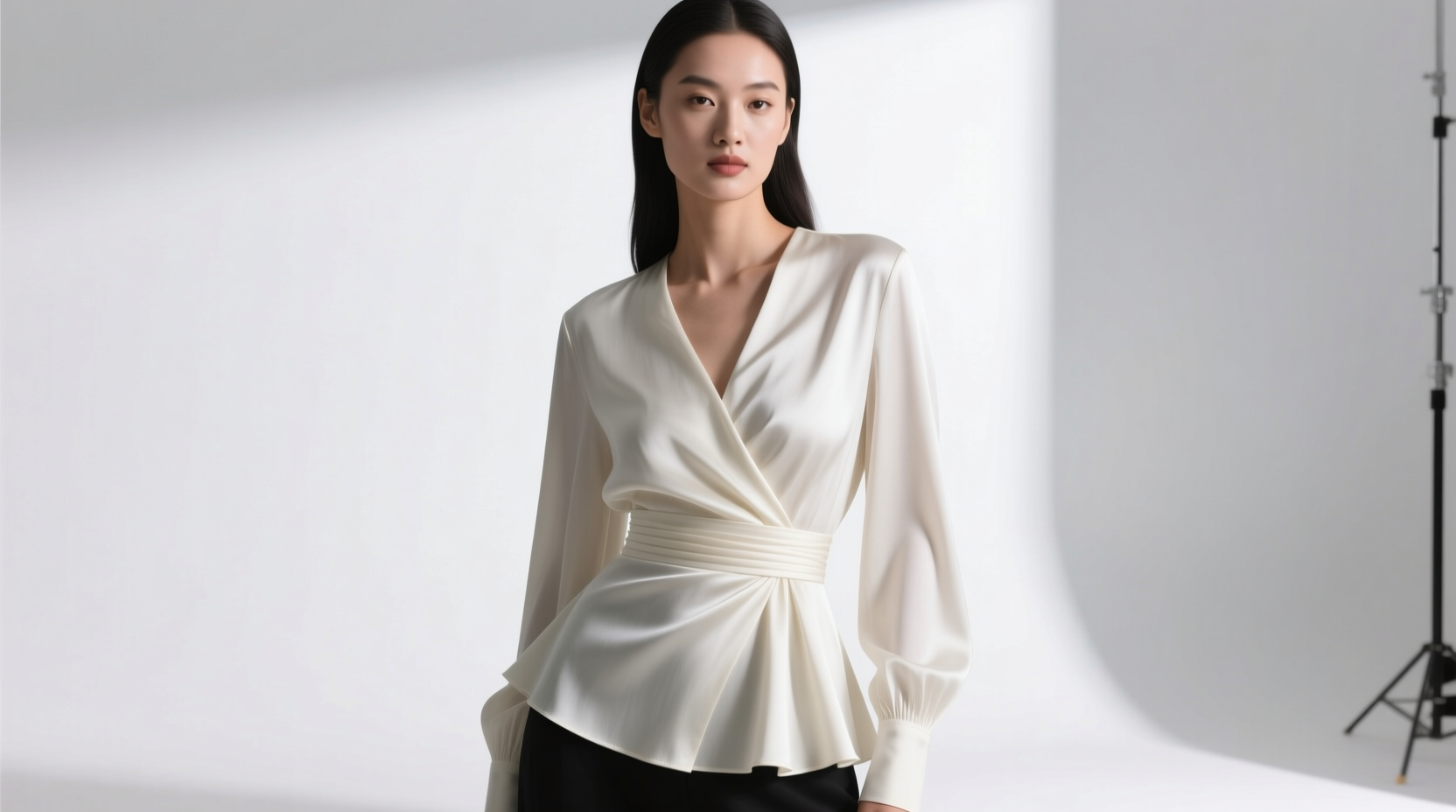
Wrap tops are characterized by overlapping front panels secured at the side or back with ties, buttons, or hidden closures. This design creates a V-neckline and cinches at the narrowest part of the torso—the natural waist—through diagonal tension rather than compression. Because the fit is adjustable, wearers can control how snugly the fabric wraps around the body, making it ideal for those who want definition without tightness.
The magic of the wrap lies in its drape. As the fabric crosses over itself, it naturally follows the curves of the ribcage and waist, drawing attention inward. Unlike fixed waistbands or elasticized hems, the wrap does not rely on stretch or binding to hold its shape. Instead, it uses gravity and bias-cutting (when present) to mold softly to the body. This makes it particularly effective for creating a tapered effect even on softer or fluctuating waistlines.
Wrap styles often feature soft, fluid fabrics like rayon, silk, or jersey knits. These materials glide over the hips and abdomen, minimizing cling while still outlining the waist. When cut on the bias, they enhance movement and drape elegantly, further enhancing the slimming effect. The open-back variants also add visual balance, preventing the upper body from appearing top-heavy.
The Structure and Illusion of Peplum Blouses
Peplum blouses feature a short, flared ruffle or extension attached at the waistline, typically extending just below the hip bone. This design originated in 19th-century court fashion and was revived in the 1940s by Christian Dior’s “New Look,” which emphasized exaggerated femininity through cinched waists and full skirts. Modern peplum tops borrow this principle, using volume at the lower edge to contrast with a fitted bodice.
The defining feature of a peplum blouse is its built-in waist definition. Most styles include darts, seaming, or internal corsetry to shape the upper portion tightly around the torso. The flare then cascades outward, creating an A-line silhouette that visually narrows the waist by comparison. However, this fit often comes at the cost of flexibility—many peplum garments use non-stretch fabrics or rigid interfacing, leading to snugness or pressure around the midsection.
While the peplum excels at creating dramatic shape, it depends heavily on precise sizing. A poorly fitted peplum can sit too high or too low on the waist, distorting proportions. Additionally, if the flare begins above the natural waistline, it may emphasize the area it's meant to minimize. Comfort varies widely depending on construction; some modern versions incorporate stretch panels or soft linings to improve wearability, but others remain more form-constricting than flattering.
“Peplums work best when the flare starts exactly at the narrowest point of the torso. Misplacement by even an inch can shift focus away from the waist.” — Lena Torres, Fashion Stylist & Fit Consultant
Comparative Analysis: Wrap Top vs Peplum Blouse
To determine which style better accentuates a small waist without tightness, it’s helpful to compare them across several key factors: adjustability, fabric behavior, support, and adaptability to body changes.
| Feature | Wrap Top | Peplum Blouse |
|---|---|---|
| Waist Definition Method | Diagonal draping and adjustable tie | Tailored seam or dart with flared hem |
| Adjustability | High – customizable fit via knot or tie | Low – fixed structure, limited give |
| Fabric Flexibility | Typically soft, flowing materials | Mixed – often structured or crisp |
| Comfort Level | Generally high – no elastic or binding | Variable – can be restrictive |
| Suitability for Body Changes | Excellent – adaptable to bloating, weight shifts | Poor – requires consistent sizing |
| Best For | Daily wear, curvy figures, sensitive skin | Formal events, structured looks, defined hourglass |
The data shows a clear distinction: wrap tops offer superior comfort and customization, while peplum blouses deliver stronger architectural definition. If the goal is subtle, sustainable waist emphasis without physical constraint, the wrap emerges as the more inclusive and forgiving choice.
Real-World Example: Office Wear Redefined
Sarah, a 34-year-old project manager, struggled to find professional blouses that looked polished but didn’t dig into her waist after lunch. She favored peplum styles for their sharp silhouette during client meetings, but found herself constantly adjusting the waistband or unbuttoning during long days. After switching to a collection of wrap-style silk blouses, she noticed immediate improvements in both comfort and confidence.
“I could tighten the wrap slightly in the morning for a clean look, then loosen it subtly after eating without anyone noticing,” she shared. “The waist still looked defined, but I wasn’t holding my breath all day.” Over time, Sarah phased out most of her peplum tops, keeping only one for special presentations where maximum structure was needed. Her experience highlights how functional design impacts not just appearance, but daily well-being.
Actionable Tips for Choosing the Right Style
Selecting between a wrap top and a peplum blouse shouldn’t be based solely on trend appeal. Consider your lifestyle, body type, and comfort thresholds. Below is a checklist to guide your decision:
- Evaluate fabric stretch: Even if a peplum looks elegant, check for at least 5–10% spandex or elastane for breathing room.
- Check closure type: Avoid peplum blouses with back zippers unless they have stretch panels on the sides.
- Look for hidden smocking: Some modern peplums use elasticized back panels to maintain shape while allowing movement.
- Opt for longer wraps: Wrap tops with extended ties allow deeper overlap, increasing waist definition without tightening the band.
- Avoid stiff peplums: Starched cotton or thick polyester peplums can add bulk rather than streamline the figure.
- Consider layering: Pair wrap tops with slim belts or cardigans to enhance waist focus without adding pressure.
Step-by-Step Guide to Styling for Maximum Waist Emphasis
Follow this sequence to get the most flattering results from either style while preserving comfort:
- Start with the right base layer: Wear seamless undergarments to prevent lines that disrupt waist definition.
- Put on the garment loosely first: For wraps, drape without tying; for peplums, button or zip gently.
- Adjust posture: Stand straight, engage core lightly, and breathe deeply to find your natural waist position.
- Cinch the wrap: Tie the belt just above the navel, pulling diagonally across for a smooth tuck effect. Leave room for expansion.
- For peplums, check mobility: Sit down, raise arms, and twist slightly. If fabric pulls or binds, consider a larger size or alternative cut.
- Balance proportions: Pair with high-waisted pants or skirts that align with the blouse’s waist point to extend the vertical line.
- Add outerwear strategically: Use cropped jackets or open blazers to frame the waist without covering the defining detail.
This method ensures that waist emphasis comes from intelligent design and alignment—not forced compression.
Frequently Asked Questions
Can a peplum blouse be comfortable for all-day wear?
Yes, but only if it’s constructed with comfort in mind. Look for models with stretch fabric, soft linings, or partial elastic at the back. Avoid fully boned or starched peplums for daily wear. Soft knit peplums or those with gathered backs tend to offer better mobility and reduced tightness.
Do wrap tops work for apple-shaped bodies?
They are often ideal for apple shapes because the diagonal drape draws the eye inward and downward, creating a vertical flow. Choose wrap tops with sleeves or shoulder details to balance the upper body, and pair them with straight-leg or wide-leg bottoms to maintain proportion.
Which style hides post-meal bloating better?
Wrap tops win in this category. Their adjustable fit allows wearers to loosen the tie slightly when needed, accommodating temporary bloating without losing shape. Peplum blouses, being fixed in circumference, can feel tighter and may emphasize swelling if the waistband sits directly on the bloated area.
Final Recommendation: Prioritize Comfort Without Sacrificing Style
When comparing wrap tops and peplum blouses for accentuating a small waist without tightness, the wrap top consistently proves more versatile, adaptable, and body-friendly. Its adjustable fit, reliance on drape rather than structure, and compatibility with fluctuating body conditions make it a smarter long-term investment for everyday elegance.
That said, peplum blouses still have a place in a curated wardrobe—particularly for formal occasions where bold silhouettes are desired. The key is mindful selection: choosing softer fabrics, strategic cuts, and hybrid designs that blend peplum flair with wrap-like ease.
“The future of flattering fashion isn’t about squeezing into shape—it’s about designing around the body’s natural rhythm.” — Dr. Miriam Cho, Textile Ergonomics Researcher, Royal College of Art
Take Action Today
Review your current tops: how many truly define your waist without restricting your breath or movement? Set aside any that require constant adjustment or cause discomfort. Replace them gradually with wrap styles in quality fabrics—silk blends, Tencel, or fine jersey—that combine fluidity with structure. Experiment with knot placement and layering to refine your look. Share your journey or ask questions in the comments—your insights could help others redefine comfort and confidence in their own wardrobes.




 浙公网安备
33010002000092号
浙公网安备
33010002000092号 浙B2-20120091-4
Comments
No comments yet. Why don't you start the discussion?