
The clinking of butterfly-shaped trinkets, bedazzled initials, and jelly charms dangling from backpack zippers—Y2K keychains are suddenly everywhere. From TikTok hauls to boutique storefronts, accessories once deemed outdated are now being rebranded as “vintage chic” or “retro-cool.” But is this resurgence a genuine cultural rebirth of early 2000s aesthetics, or simply a wave of millennial and Gen Z nostalgia capitalizing on sentimental value? The answer lies somewhere between symbolism, generational identity, and the cyclical nature of fashion.
The Rise and Fall (and Rise Again) of Y2K Aesthetics
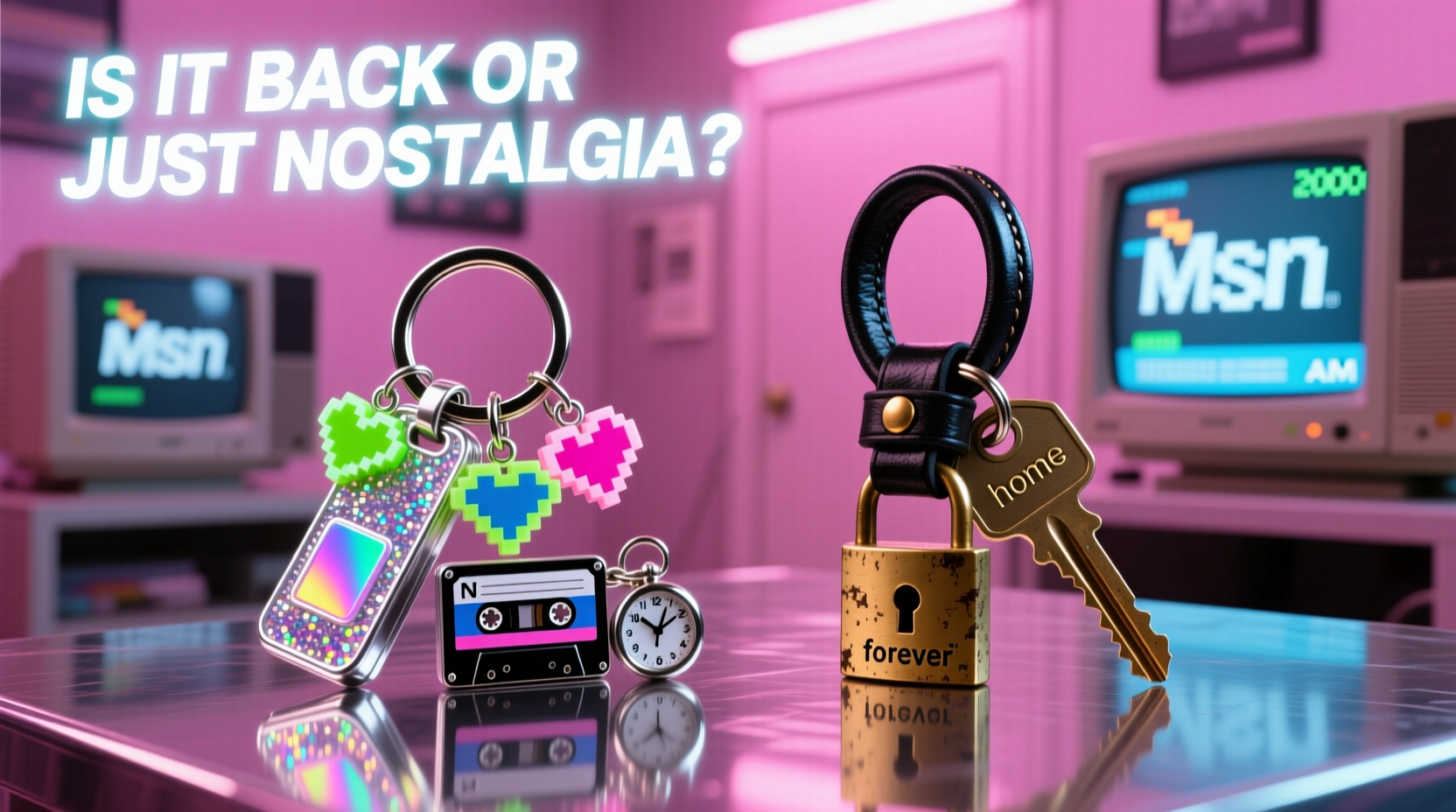
The early 2000s were defined by bold experimentation: metallic fabrics, logo mania, rhinestones, and playful excess. Keychains weren’t just functional—they were fashion statements. Brands like Trina Turk, Juicy Couture, and Claire’s flooded malls with glittery, cartoonish, and often personalized trinkets. These small accessories reflected a larger cultural mood: optimism, digital curiosity, and a fascination with celebrity culture amplified by emerging internet platforms like MySpace and early YouTube.
By the late 2000s and into the 2010s, minimalism took over. Clean lines, neutral tones, and understated elegance dominated. Flashy Y2K accessories were dismissed as gaudy relics. Yet, within a decade, they began reappearing—not in irony, but in earnest admiration.
Fashion historian Dr. Lila Monroe observes:
“Cycles in style aren’t random. They reflect generational processing. Millennials are revisiting their childhood symbols through a lens of affection and reinterpretation, while Gen Z sees them as fresh, unironic novelty.”
Y2K Keychains vs. Classic Designs: What’s the Difference?
To understand the shift, it helps to compare the design philosophies behind Y2K keychains and traditional or \"classic\" styles.
| Feature | Y2K Keychains | Classic Keychains |
|---|---|---|
| Aesthetic | Bold, playful, colorful, often themed (butterflies, hearts, pop culture) | Minimalist, elegant, timeless (leather tags, metal initials, enamel logos) |
| Materials | Jelly plastic, acrylic, rhinestones, synthetic charms | Leather, stainless steel, brass, wood |
| Functionality | Secondary to self-expression; often bulky | Prioritizes durability and practicality |
| Cultural Symbolism | Youth rebellion, pop culture obsession, digital dawn | Professionalism, heritage, subtle status |
| Target Audience | Teens, pre-teens, trend-focused consumers | Adults, professionals, collectors |
The contrast is clear: Y2K keychains embrace chaos and individuality; classic designs favor order and permanence. Yet both serve identity expression—one through exuberance, the other through restraint.
The Nostalgia Economy: Why We Keep Looking Back
Nostalgia isn’t just emotional—it’s economic. The global nostalgia market, including fashion, music, and collectibles, is projected to exceed $500 billion by 2030. Y2K accessories are riding this wave, fueled by social media algorithms that reward recognizable, emotionally resonant content.
Platforms like TikTok have turned vintage shopping into performance art. Videos titled “Get Ready With Me: 2003 Edition” or “My Y2K Backpack Revival” rack up millions of views. In these moments, a jelly keychain isn’t just an object—it’s a portal to a simpler time, before smartphones and pandemics, when a sparkly charm could make your day.
But nostalgia can be selective. It often erases the less glamorous parts of an era—the low-rise jeans that pinched, the dial-up frustration, the questionable fashion choices—while elevating the whimsical and colorful.
Mini Case Study: The Resurgence of “Bedazzled Initials”
In 2022, Etsy seller Mia Tran relaunched her grandmother’s old jewelry kit to create custom bedazzled letter keychains. She started selling them at local markets under the brand “Glitz & Glam Reboot.” Within six months, her Instagram following grew to 80K, and she was featured in *Rookie Mag*’s “Top 10 Vintage-Inspired Accessories of 2023.”
Mia attributes her success not just to design, but to storytelling. “People don’t just buy a pink ‘M’ with glitter,” she says. “They buy the memory of being 13, trading charms with their best friend at summer camp.” Her customers range from 16-year-olds discovering the style for the first time to 34-year-olds seeking comfort in familiar forms.
Is This Trend Sustainable—or Just a Flashback?
While Y2K keychains dominate online marketplaces, questions remain about longevity. Are they a passing fad, or part of a deeper aesthetic revival?
Several indicators suggest staying power:
- Designer Adoption: Major brands like Miu Miu and Blumarine have incorporated Y2K elements into recent collections, signaling industry validation.
- Material Innovation: Modern versions use eco-friendly plastics and recycled metals, addressing past sustainability concerns.
- Customization Culture: Personalized charms align with current consumer demand for unique, meaningful accessories.
However, critics argue that the trend lacks depth. As fashion critic Julian Reed notes:
“Reviving a keychain doesn’t revive the culture. Without understanding the context—TRL, flip phones, frosted lip gloss—it’s just decoration.”
Checklist: How to Embrace Y2K Style Authentically
If you’re drawn to the trend but want to avoid looking costumey, follow these steps:
- Research original Y2K fashion icons (e.g., Paris Hilton, Destiny’s Child, early Lindsay Lohan).
- Start with one statement piece—like a holographic keychain—instead of a full retro outfit.
- Mix Y2K accessories with modern minimalist clothing to balance the look.
- Support independent creators who prioritize craftsmanship over mass production.
- Ask: Does this reflect my personality, or am I chasing a viral trend?
FAQ
Are Y2K keychains only for women or girls?
No. While marketed heavily toward young women in the 2000s, today’s reinterpretations are gender-neutral. Men and non-binary individuals are increasingly embracing playful accessories as part of self-expression.
Where can I find authentic vintage Y2K keychains?
Etsy, Depop, and eBay are top sources. Look for sellers with high ratings and clear photos. Beware of reproductions labeled as “vintage”—check dates and materials carefully.
Can I make my own Y2K-style keychain?
Absolutely. DIY kits with beads, chains, and plastic charms are widely available. Many craft stores and online retailers offer “nostalgia crafting” sections catering to this trend.
Conclusion: Beyond the Charm—What the Comeback Really Means
The return of Y2K keychains isn’t just about fashion—it’s about memory, identity, and the human need to reconnect with joyous simplicity. Whether driven by nostalgia or genuine aesthetic appreciation, the trend reveals a longing for playfulness in an increasingly complex world.
These tiny trinkets carry outsized meaning. They remind us of who we were, who we’ve become, and who we might still want to be. The 2000s aren’t fully “back” in a literal sense—but their spirit, reinterpreted through modern eyes, is very much alive.




 浙公网安备
33010002000092号
浙公网安备
33010002000092号 浙B2-20120091-4
Comments
No comments yet. Why don't you start the discussion?