
Cucumbers should be crisp, green, and refreshing. When they turn yellow and grow abnormally large, something has gone wrong in the garden. While a slight yellow tint might seem like a minor issue, it often signals deeper problems affecting plant health, pollination, or care practices. Understanding the root causes of yellow, fat cucumbers is essential for both home gardeners and small-scale growers who want consistent, high-quality yields.
Yellowing and abnormal swelling aren’t just cosmetic issues—they can drastically affect flavor, texture, and edibility. A yellow cucumber is often bitter, mushy, and past its prime. But with the right knowledge, most of these problems are preventable or correctable before the next harvest.
Why Cucumbers Turn Yellow and Fat
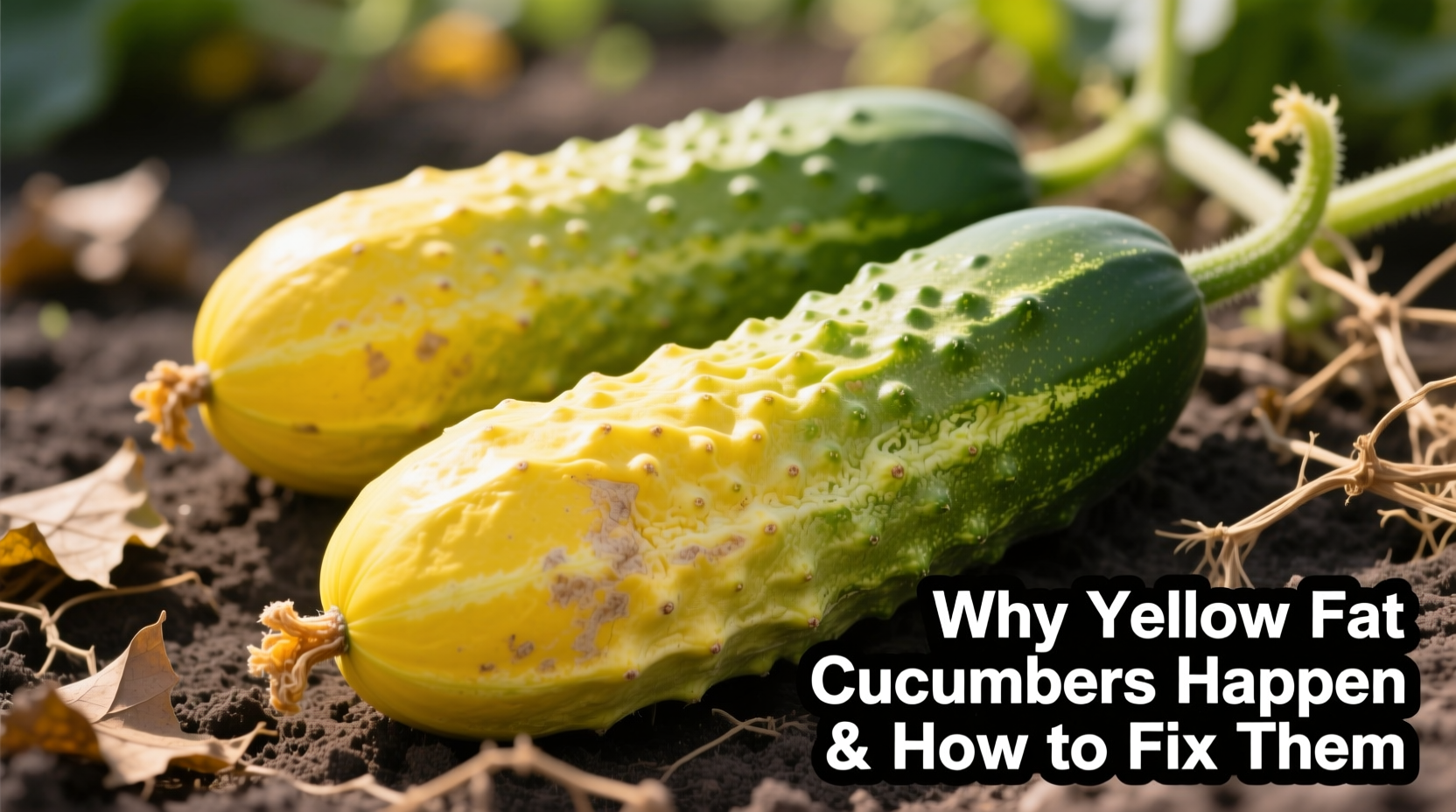
The ideal cucumber is firm, uniformly green, and harvested at peak maturity. When cucumbers become yellow and overly large, it’s usually due to one or more underlying factors: overripeness, nutrient imbalance, poor pollination, viral infections, or improper watering.
- Overripeness: The most common reason for yellow cucumbers. Left on the vine too long, cucumbers mature past their edible stage, turning yellow and developing large seeds and bitter flesh.
- Poor Pollination: Incomplete pollination leads to misshapen, swollen ends, and uneven growth. This often results in \"fat\" cucumbers that are narrow at one end and bulbous at the other.
- Nutrient Imbalance: Excess nitrogen promotes leafy growth but can delay fruit development, while deficiencies in potassium or calcium contribute to deformities and discoloration.
- Viral Infections: Cucumber mosaic virus (CMV) causes mottled yellowing, stunted growth, and distorted fruit shape. It spreads via aphids and infected tools.
- Water Stress: Inconsistent watering—either too much or too little—can lead to fruit abnormalities, including puffiness and yellowing.
How Poor Pollination Leads to Fat, Misshapen Cucumbers
Pollination is critical for proper cucumber development. Each flower must receive adequate pollen from male flowers to produce well-formed fruit. Inadequate pollination results in partially fertilized ovaries, leading to cucumbers that are skinny at one end and swollen at the other—a condition known as “cucumber belly.”
Several factors disrupt pollination:
- Lack of pollinators (bees, hoverflies)
- Extreme temperatures (above 90°F or below 55°F)
- High humidity or heavy rain during flowering
- Overuse of pesticides that harm beneficial insects
“Consistent bee activity during bloom time can improve cucumber yield by up to 60%. Without it, even healthy plants produce deformed fruit.” — Dr. Alan Torres, Horticulture Researcher, University of California Cooperative Extension
To support pollination, avoid spraying insecticides during flowering hours (morning to midday), plant pollinator-friendly companion flowers like marigolds or borage, and consider hand-pollinating if natural pollinators are scarce.
Step-by-Step Guide to Fixing Yellow, Fat Cucumbers
Correcting this issue requires a combination of timely harvesting, balanced nutrition, and proactive pest and disease management. Follow this step-by-step approach to restore your cucumber plants to health.
- Inspect and Remove Affected Fruit: Immediately pick any yellow or misshapen cucumbers. Leaving them on the vine signals the plant to stop producing new fruit.
- Assess Pollination: Examine open flowers. If female flowers (with tiny fruit behind them) remain unpollinated, gently transfer pollen from male flowers using a small brush or cotton swab.
- Test Soil Nutrients: Use a soil test kit to check nitrogen, phosphorus, and potassium levels. Adjust with organic amendments like compost, bone meal (for phosphorus), or wood ash (for potassium).
- Adjust Watering Routine: Provide 1–1.5 inches of water per week, ideally through drip irrigation. Avoid overhead watering to reduce fungal risks.
- Monitor for Pests and Disease: Check leaves regularly for aphids, which spread CMV. Use insecticidal soap or neem oil if infestations occur.
- Improve Air Circulation: Space plants 12–18 inches apart and use trellises to reduce humidity and disease pressure.
- Establish a Harvest Schedule: Pick cucumbers every 2–3 days during peak season to prevent overripening.
Do’s and Don’ts for Healthy Cucumber Growth
| Do’s | Don’ts |
|---|---|
| Harvest cucumbers when they’re 6–8 inches long | Leave cucumbers on the vine until they turn yellow |
| Use mulch to retain moisture and suppress weeds | Allow soil to dry out completely between waterings |
| Plant pollinator-attracting flowers nearby | Spray broad-spectrum pesticides during bloom time |
| Rotate crops annually to prevent disease buildup | Plant cucumbers in the same spot year after year |
| Use balanced fertilizer (e.g., 5-5-5 NPK) | Over-fertilize with nitrogen-rich products |
Real Example: Reviving a Struggling Backyard Cucumber Patch
Marie, a home gardener in Portland, Oregon, noticed her cucumbers were turning yellow and growing lopsided despite healthy-looking vines. She was watering daily and using a high-nitrogen lawn fertilizer nearby. After testing her soil, she discovered excessive nitrogen and low potassium.
She stopped using the lawn fertilizer, added composted banana peels for potassium, started hand-pollinating her flowers each morning, and began harvesting cucumbers earlier. Within three weeks, her new cucumbers were green, straight, and crisp. Her yield also increased because the plant continued producing fruit instead of focusing energy on oversized, unharvested ones.
Marie’s experience shows that even small adjustments—based on observation and soil data—can dramatically improve results.
Tips for Preventing Yellow, Fat Cucumbers
Frequently Asked Questions
Are yellow cucumbers safe to eat?
Occasionally, a slightly yellow cucumber may still be edible if caught early, but it will likely be bitter and soft. Fully yellow cucumbers are overripe, have tough seeds, and should be discarded. Never eat cucumbers with signs of mold or foul odor.
Can I save seeds from a yellow cucumber?
You can, but only if the variety is open-pollinated (not hybrid). Keep in mind that seeds from overripe cucumbers may have reduced viability. Ferment the seeds for 1–2 days, rinse, and dry thoroughly before storing.
Why are my cucumbers fat at the blossom end?
This is typically due to incomplete pollination. The part of the cucumber closest to the flower didn’t receive enough pollen, so it didn’t develop properly. Ensure good pollinator activity or hand-pollinate to prevent this.
Action Plan Checklist
Use this checklist to diagnose and correct yellow, fat cucumber issues in your garden:
- ✅ Harvest cucumbers regularly before they turn yellow
- ✅ Inspect flowers for signs of pollination
- ✅ Test soil and adjust nutrients as needed
- ✅ Water consistently at the base of the plant
- ✅ Remove yellow or deformed fruit immediately
- ✅ Encourage pollinators with companion planting
- ✅ Rotate crops annually to reduce disease risk
- ✅ Consider growing self-pollinating cucumber varieties
Conclusion: Take Control of Your Cucumber Harvest
Yellow, fat cucumbers don’t have to be a recurring frustration. With attentive care, proper timing, and a few strategic changes, you can grow crisp, green, and flavorful cucumbers all season long. The key is staying ahead of ripening, supporting natural processes like pollination, and maintaining balanced plant nutrition.




 浙公网安备
33010002000092号
浙公网安备
33010002000092号 浙B2-20120091-4
Comments
No comments yet. Why don't you start the discussion?