
The Samsung Galaxy Z Flip series represents the cutting edge of foldable smartphone design—sleek, compact, and futuristic. But with innovation comes vulnerability. The folding display, while impressive, is more delicate than traditional glass. One of the most common debates among Z Flip owners: is it really necessary to use a screen protector? More importantly, is skipping one outright dumb?
Unlike older smartphones with rigid, scratch-resistant Gorilla Glass, the Z Flip uses a flexible polymer-based display. This material allows bending but is inherently softer and more prone to micro-scratches and abrasions. While Samsung markets the screen as durable, real-world use tells a different story. Skipping a screen protector might seem like a way to enjoy the phone’s pristine surface, but the long-term consequences could outweigh the short-term satisfaction.
The Reality of the Z Flip’s Screen Material
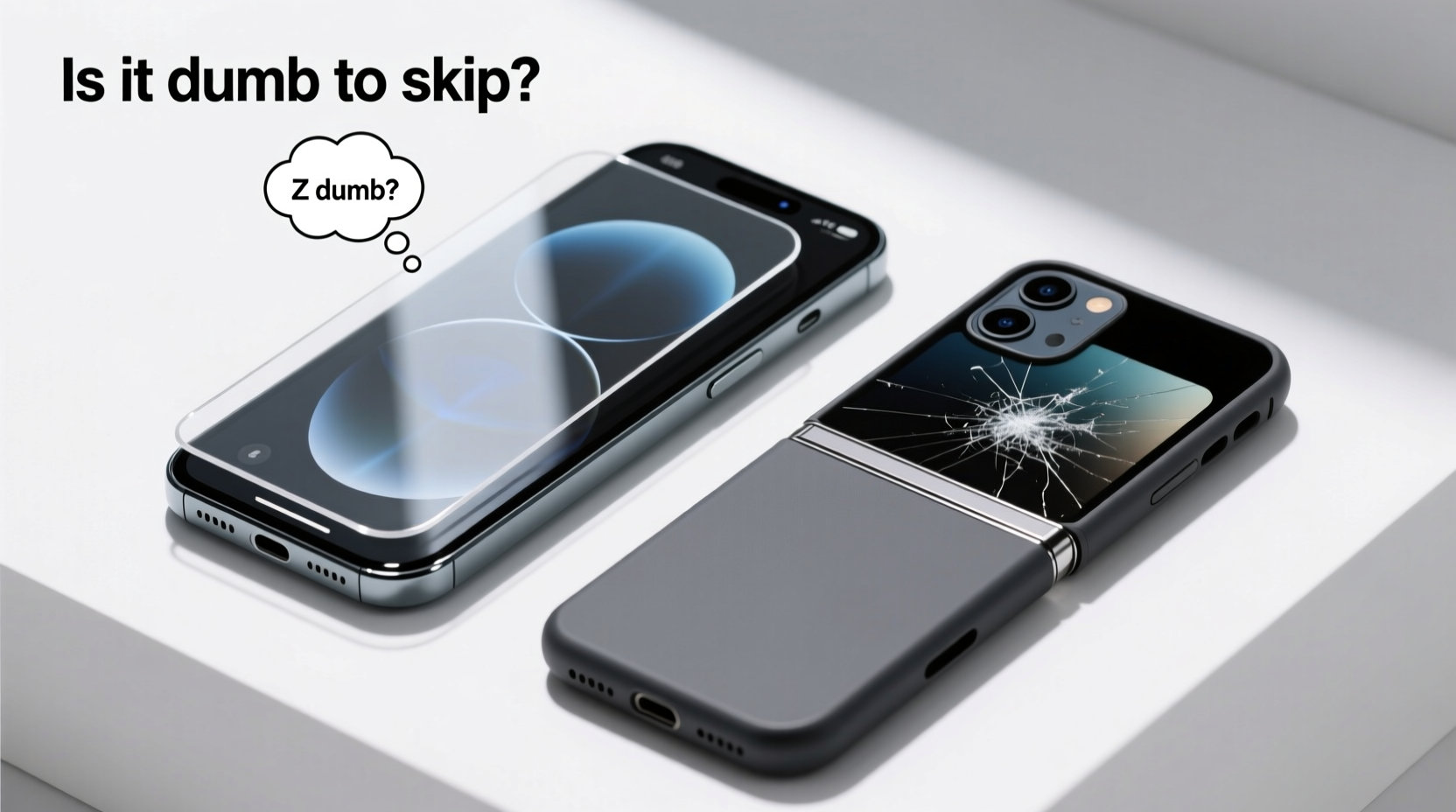
Samsung replaced traditional glass with Ultra Thin Glass (UTG) layered over a plastic polymer in recent Z Flip models. While UTG improves hardness and feel, it’s still fundamentally different from flat-panel glass used in non-foldable phones. The top layer remains susceptible to fine scratches from everyday debris—sand, dust, keys, or even fabric fibers in your pocket.
A study by iFixit found that even minor abrasives like pocket lint can cause visible micro-scratching after repeated exposure. Unlike static screens, the Z Flip’s hinge mechanism introduces constant flexing, which can amplify stress on already compromised surfaces. Once a scratch forms, it can deepen over time due to the folding motion, potentially leading to delamination or bubbling under the screen.
“Foldable displays are engineered for flexibility, not scratch resistance. Even nanometers-thick scratches can propagate under mechanical stress.” — Dr. Lena Park, Display Materials Scientist at TechDurability Labs
Why People Skip the Screen Protector
Despite known risks, many users choose to go without a screen protector. Their reasoning varies:
- Tactile preference: Some say unprotected screens feel smoother and more responsive.
- Aesthetic purity: Users want to experience the device exactly as designed, without added layers.
- Misconception about durability: Marketing language like “Ultra Thin Glass” leads some to believe the screen is as tough as iPhone glass.
- Poor past experiences: Cheap third-party protectors often bubble, peel, or interfere with touch sensitivity.
These concerns are valid, especially when low-quality protectors distort visuals or fail within weeks. However, dismissing all screen protection due to bad options is like avoiding seatbelts because one brand was uncomfortable.
Risk vs. Reward: A Practical Comparison
To assess whether skipping a screen protector is truly “dumb,” consider both immediate benefits and long-term costs.
| Factor | Skip Protector | Use Protector |
|---|---|---|
| Initial Feel | Better glide, no texture | Slight texture (matte), possible edge lift |
| Scratch Resistance | Low – vulnerable to dust/sand | High – absorbs abrasion |
| Long-Term Appearance | High chance of visible wear in 3–6 months | Screen stays clean; protector takes damage |
| Repair Cost if Damaged | $250–$450+ for screen replacement | $20–$40 for new protector |
| Resale Value Impact | Significant decrease with scratches | Minimal impact if screen is flawless |
The data suggests that while skipping the protector offers minor sensory gains, it exposes the user to disproportionate financial and aesthetic risk. For less than the cost of a meal, a good screen protector can preserve both function and value.
How to Choose the Right Screen Protector
Not all screen protectors are created equal—especially for foldables. Many off-brand films warp, crease, or fail at the hinge. Choosing wisely is critical.
- Look for hinge-compatible design: The protector must have a designated flex zone or micro-gap at the center fold to prevent cracking.
- Polymer type matters: TPU (thermoplastic polyurethane) is flexible and self-healing for minor scuffs; PET is cheaper but stiffer and less durable.
- Brand reputation: Spigen, ESR, and Supershieldz offer tested solutions tailored for Z Flip models.
- Installation ease: Use alignment trays. Poor installation causes bubbles and edge lifting, reducing effectiveness.
- Matte vs. clear: Matte reduces fingerprints and glare but slightly diffuses clarity. Clear offers truer visuals but shows smudges more.
Mini Case Study: Two Z Flip 5 Owners, Six Months Later
Jamie and Alex bought Galaxy Z Flip 5s on the same day. Jamie installed a $32 Spigen liquid silicone protector immediately. Alex skipped it, citing “I just don’t like the feel.”
After six months:
- Jamie: Dropped the phone twice (carpet, then tile). The protector showed light scuffing but no cracks. Screen remained perfect. Resold the device for 85% of original value.
- Alex: Kept the phone in a denim pocket daily. Noticed faint lines across the screen after two months. By month five, a visible crease formed near the hinge where grit had embedded. Attempted DIY fix failed. Paid $379 for official Samsung screen repair.
This real-world example underscores that damage isn’t always dramatic—it’s gradual, insidious, and often avoidable.
Step-by-Step Guide: Applying a Screen Protector Correctly
A poorly applied protector is worse than none—it lifts, collects dirt, and distracts. Follow these steps for optimal results:
- Wash hands to avoid transferring oils.
- Power off the device to see bubbles clearly.
- Clean the screen using included alcohol wipe, then dry microfiber cloth.
- Use the dust removal sticker to lift any remaining particles.
- Align the protector tray precisely using camera cutouts.
- Peel slowly and lower the film without touching the adhesive side.
- Press from center outward to push out air.
- Wait 24 hours before closing the phone fully, allowing adhesion to set.
Take your time. Rushing increases error risk. If bubbles persist, gently lift and reseat—don’t press them toward the hinge.
Frequently Asked Questions
Can I use a regular screen protector on my Z Flip?
No. Standard rigid or curved glass protectors will crack at the fold line. Only use flexible film protectors designed explicitly for foldable devices.
Does Samsung include a screen protector?
No, Samsung does not ship any Z Flip model with a pre-installed screen protector. They assume users will add their own or accept the risk.
Will a screen protector affect touch sensitivity?
High-quality protectors have no noticeable impact. Cheaper ones may cause lag or misregistration, especially near edges. Stick to reputable brands.
Final Verdict: Is It Dumb to Skip the Screen Protector?
Calling it “dumb” might sound harsh, but the evidence leans heavily toward yes—if you value longevity, appearance, and cost efficiency. The Z Flip is an expensive device with a fragile core component. Intentionally leaving it exposed to abrasives is akin to driving a convertible in hail without putting the top up.
Modern protectors are thinner, smarter, and better integrated than ever. Advances in materials mean you no longer have to sacrifice feel for protection. For under $40, you gain peace of mind, maintain resale value, and avoid costly repairs. That’s not overprotectiveness—it’s practical ownership.
“The best tech deserves the best care. A screen protector isn’t a flaw—it’s part of the design ecosystem.” — Marcus Tran, Mobile Device Longevity Consultant




 浙公网安备
33010002000092号
浙公网安备
33010002000092号 浙B2-20120091-4
Comments
No comments yet. Why don't you start the discussion?