
The Samsung Galaxy Z Fold series represents the cutting edge of smartphone innovation—offering tablet-sized screens in a pocketable form. But with that innovation comes vulnerability: the intricate hinge mechanism. As soon as users unbox their device, many are faced with a dilemma—should they install a hinge cover? These small accessories, often included by third-party case makers or sold separately, claim to protect the most delicate part of the phone. Yet they also add thickness, alter aesthetics, and sometimes interfere with the folding motion. So, is a hinge cover truly necessary, or is it just an unnecessary addition that compromises design for minimal gain?
To answer this, we need to examine the engineering behind the Z Fold’s hinge, evaluate real-world risks, consider manufacturer guidance, and assess user experiences over time.
Understanding the Z Fold Hinge Design
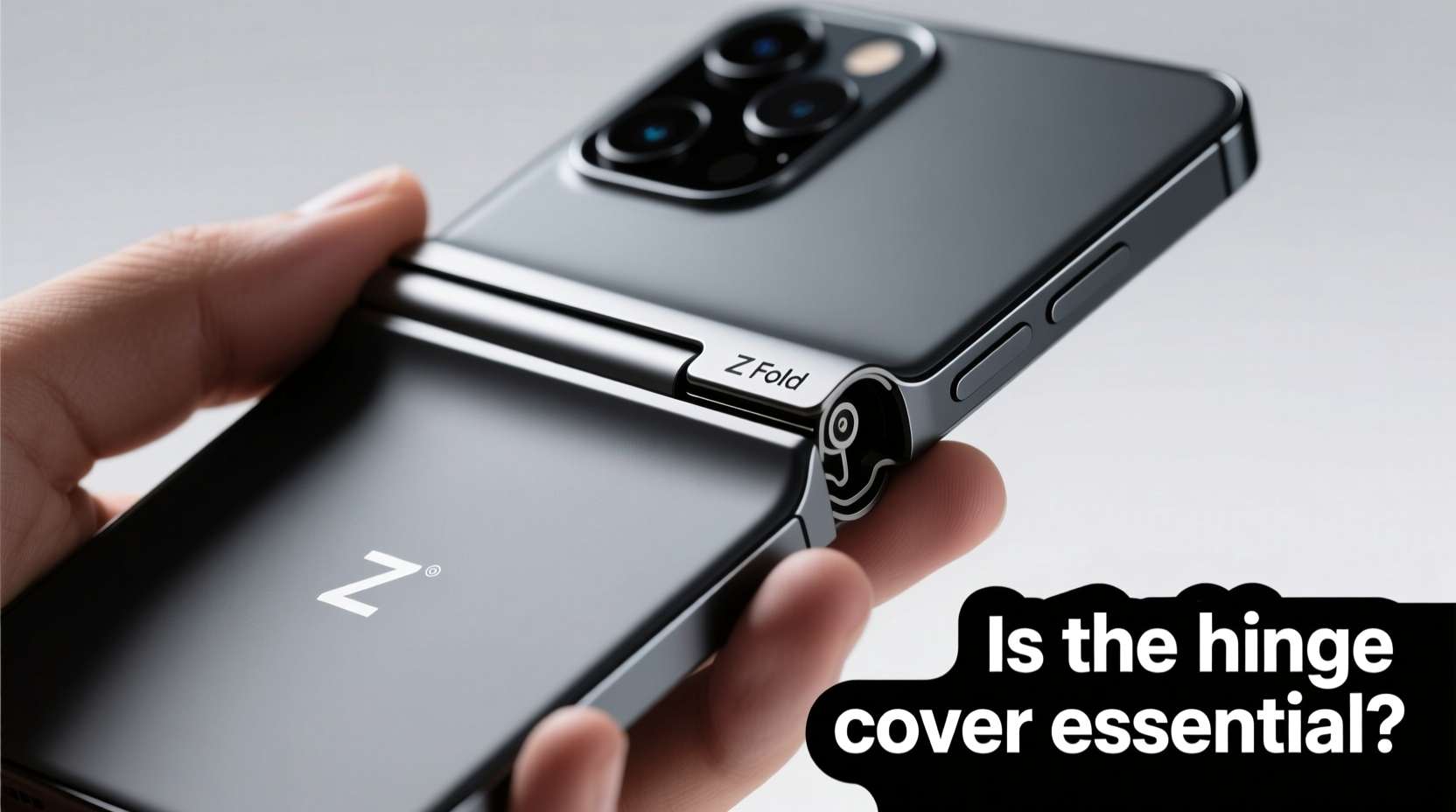
Samsung has invested heavily in refining the hinge mechanism across generations. The latest Z Fold models feature what the company calls the \"Armor Aluminum\" frame and a redesigned \"sweeper\" system—micro-bristles inside the hinge that repel dust and debris. This advancement was a direct response to early criticisms of the first-generation model, where particulate ingress led to screen creasing and hinge failure.
Despite these improvements, the hinge remains a mechanical weak point. It's engineered for hundreds of thousands of folds, but external factors—like pocket lint, sand, moisture, or accidental impact—can accelerate wear. A hinge cover, typically a thin plastic or silicone strip that sits over the outer spine of the folded device, aims to create an additional barrier against such contaminants.
“While Samsung’s hinge is among the most robust in foldables, environmental exposure remains the biggest threat to longevity.” — David Kim, Mobile Hardware Analyst at TechDurability Labs
Pros and Cons of Using a Hinge Cover
Before deciding whether to use one, it’s essential to weigh the tangible benefits against the drawbacks.
| Advantages | Disadvantages |
|---|---|
| Dust & Debris Protection: Adds a physical shield against lint, sand, and fibers that could enter the hinge gap. | Added Bulk: Increases thickness, especially noticeable when the phone is folded. |
| Impact Buffering: May absorb minor knocks to the hinge spine during drops or bumps. | Aesthetic Disruption: Alters the sleek, seamless look of the device. |
| Peace of Mind: Psychological reassurance for users concerned about long-term durability. | Potential Interference: Poorly designed covers may catch on fabric or hinder smooth folding. |
| Compatibility with Cases: Some third-party cases integrate hinge covers seamlessly. | Misalignment Risk: If not perfectly fitted, can shift and create pressure points. |
Real-World Usage: A Mini Case Study
Jamal, a digital marketer based in Miami, has used a Galaxy Z Fold 5 daily since its launch. He commutes via bike, carries his phone in his jacket pocket alongside keys and loose change, and frequently uses it outdoors near the beach. After two months, he noticed fine sand accumulating near the hinge. Though no damage occurred immediately, he grew concerned about long-term effects.
He installed a precision-cut silicone hinge cover recommended by a trusted accessory brand. Over the next six months, he observed a significant reduction in visible debris entering the hinge area. More importantly, the smoothness of the folding action remained consistent—something he had feared might degrade. While Jamal acknowledges the cover adds slight bulk, he considers it a worthwhile trade-off given his high-exposure environment.
In contrast, Priya, a software developer in Seattle, uses her Z Fold 5 primarily indoors. She keeps it in a protective folio case and avoids placing it near dusty surfaces. After ten months of use without a hinge cover, she reports no issues with performance or debris buildup. For her, adding a cover would feel redundant and detract from the device’s elegant design.
Their experiences highlight a key insight: necessity depends on lifestyle, not just device specs.
Manufacturer Stance and Longevity Data
Samsung does not officially sell standalone hinge covers. Their recommended protection strategy centers on using genuine Samsung cases, which are designed to work in harmony with the hinge’s built-in dust resistance. In press materials, Samsung states the Z Fold 5 and later models are rated IPX8 for water resistance—but only when fully closed. Notably, this rating doesn’t extend to dust (no “X” in the second digit), meaning particulate protection is still limited.
Independent testing by iFixit revealed that while the newer sweepers reduce debris entry by up to 70% compared to Gen 1, they’re not foolproof. In controlled environments simulating daily carry, microscopic fibers still migrated into the hinge over time, though at a slower rate.
Crucially, Samsung’s warranty does not cover hinge or screen damage caused by foreign object intrusion. This places the onus on users to maintain cleanliness and consider supplemental protection if operating in high-risk conditions.
Step-by-Step Guide: Evaluating Whether You Need a Hinge Cover
- Assess Your Environment: Do you frequently use the phone outdoors, near beaches, construction sites, or in dusty areas?
- Review Carry Habits: Is the phone stored loosely in pockets with keys, coins, or lint?
- Check Your Case: Does your current case leave the hinge exposed, or does it offer partial coverage?
- Monitor for Debris: Inspect the hinge weekly for visible particles or resistance during folding.
- Decide Based on Risk: High exposure = strong argument for a well-fitted hinge cover. Low exposure = likely optional.
Expert Recommendations and Best Practices
Rather than a blanket recommendation, experts suggest a tiered approach based on usage patterns.
- For frequent travelers or outdoor workers: Use a hinge cover paired with a rugged case.
- For office professionals or home users: Focus on keeping the device clean; a cover may be unnecessary.
- For all users: Avoid placing the phone face-down when folded, and clean the hinge area monthly with a soft, dry brush.
“The best protection isn’t always a gadget—it’s behavior. How you handle, store, and clean your Z Fold matters more than any add-on.” — Lena Torres, Senior Editor at Foldable Today
FAQ
Can a hinge cover damage my Z Fold?
Poorly made or ill-fitting hinge covers can potentially trap debris, create uneven pressure, or interfere with the folding mechanism. Always choose one designed specifically for your model and check for reviews on fit and function.
Does Samsung recommend using a hinge cover?
No, Samsung does not manufacture or endorse hinge covers. However, they do emphasize protecting the device from dust and moisture, which a well-designed cover can assist with—provided it doesn’t compromise the device’s integrity.
How do I clean the hinge if I’m not using a cover?
Use a soft, dry microfiber cloth or a narrow electronics-safe brush (like a clean makeup brush) to gently remove surface debris. Never use liquids, compressed air, or sharp tools, as these can force particles deeper or damage internal components.
Final Verdict: Necessity vs. Bulk
A hinge cover is not universally necessary, but it’s also not merely extra bulk. For users in high-risk environments—those constantly on the move, exposed to dust, sand, or pocket clutter—a well-designed hinge cover can meaningfully extend the life of the device. It acts as a simple, low-cost insurance policy against one of the most common causes of foldable degradation.
However, for those who keep their Z Fold in a controlled setting, use protective cases, and practice mindful handling, the added layer may offer negligible benefit while compromising the phone’s premium feel and slim profile.
The decision ultimately hinges—pun intended—on personal risk tolerance and lifestyle. Technology this advanced deserves thoughtful stewardship. Whether through a cover, careful habits, or both, protecting the hinge is not optional; how you choose to do it is.




 浙公网安备
33010002000092号
浙公网安备
33010002000092号 浙B2-20120091-4
Comments
No comments yet. Why don't you start the discussion?