
In the world of interior design, animal prints are no longer just bold statements—they’re curated tools of elegance. Among them, zebra patterns stand out for their timeless contrast and graphic appeal. But when it comes to elevating a room, does a zebra velvet pillow or a zebra print tapestry deliver a stronger sense of sophistication? The answer isn’t as simple as fabric versus wall art—it’s about context, scale, texture, and intention.
This article dives deep into the stylistic power of both pieces, comparing their visual impact, versatility, and long-term aesthetic value. Whether you're revamping a living room or adding edge to a bedroom, understanding how each element functions will help you make a decision that doesn’t just look good today—but ages with grace.
The Power of Texture: Why Velvet Matters
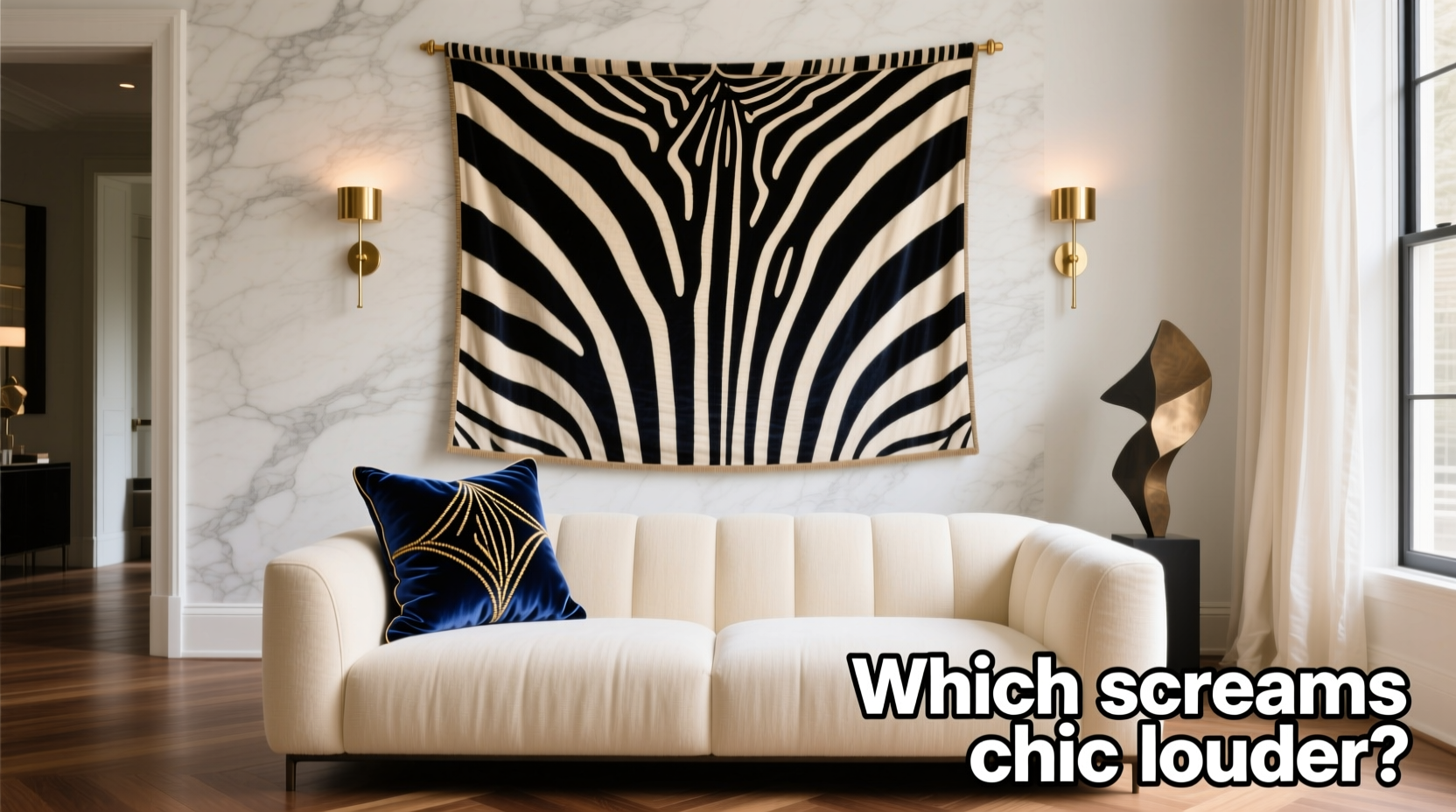
A zebra velvet pillow isn’t just about pattern; it’s a sensory experience. Velvet brings depth through light absorption and reflection, creating subtle shifts in tone depending on the angle and lighting. When combined with a zebra motif, this texture amplifies contrast—black stripes appear richer, white areas glow softly, and the overall effect feels luxurious rather than loud.
Velvet also signals refinement. Historically associated with royalty and theater drapes, it carries an air of old-world glamour. In modern interiors, designers use velvet accents to ground minimalist spaces or add warmth to monochrome palettes. A single zebra velvet pillow can become a focal point on a neutral sofa or an unexpected twist in a bohemian reading nook.
Scale and Impact: The Tapestry’s Commanding Presence
A zebra print tapestry operates on a different level—literally. Covering a significant portion of a wall, it transforms the architecture of a room. Unlike a pillow, which invites touch and proximity, a tapestry commands attention from across the space. Its scale allows the zebra pattern to breathe, showcasing the full rhythm of stripes in a way smaller items cannot.
Tapestries also offer narrative potential. They can act as room anchors, defining zones in open-concept layouts or serving as dramatic backdrops behind beds or seating areas. Because they cover large surfaces, they influence ambient light, color reflection, and even acoustics—especially if made from dense woven fabric.
However, their dominance means they require careful pairing. A busy wallpaper or cluttered furniture arrangement can clash with a bold tapestry. When done right, though, the result is gallery-like—a curated statement that feels intentional, not impulsive.
“Large-scale wall art like a zebra tapestry can elevate a room from decorated to designed.” — Lila Monroe, Interior Stylist & Founder of Atelier Form
Comparative Breakdown: Pillow vs Tapestry
| Feature | Zebra Velvet Pillow | Zebra Print Tapestry |
|---|---|---|
| Visual Impact | Subtle accent, tactile focus | Dominant focal point, architectural influence |
| Flexibility | High – easy to move, swap, or store | Low – installation-dependent, harder to reposition |
| Cost | $25–$75 | $80–$200+ |
| Maintenance | Spot clean, occasional fluffing | Dusting, vacuuming with brush attachment |
| Style Longevity | Seasonal trend-friendly | Commitment piece, best with enduring taste |
| Best For | Small spaces, renters, rotating decor | Statement walls, permanent setups, design-forward homes |
When to Choose Which: A Stylist’s Guide
The choice between a zebra velvet pillow and a zebra print tapestry should align with your room’s personality and your lifestyle. Consider these scenarios:
- You love changing seasons? Go for the pillow. It’s easy to swap out for leopard in fall or floral in spring.
- Your space feels flat but safe? A tapestry introduces drama without permanent renovation.
- You rent and can’t alter walls? Pillows give boldness without violating lease terms.
- You want to impress guests instantly? A well-placed tapestry creates “wow” upon entry.
There’s also a hybrid approach: use a tapestry as a backdrop and layer in matching or tonal pillows for cohesion. This method builds depth and ensures the zebra motif feels integrated, not isolated.
Mini Case Study: The Brooklyn Loft Makeover
Sophie Chen, a graphic designer in Brooklyn, wanted to inject personality into her industrial loft without overwhelming its minimalist bones. She initially considered a large zebra tapestry for the exposed brick wall behind her sofa. After consulting with a stylist, she opted instead for two oversized zebra velvet pillows paired with a black-and-white abstract canvas.
The result? A balanced space where texture spoke louder than scale. The pillows added tactile intrigue and could be tucked away when friends visited with young children. Six months later, she introduced a small framed zebra textile as a wall accent—proving that chic doesn’t require volume. “I realized I didn’t need to scream,” she said. “A whisper in velvet was enough.”
How to Style Either (or Both) Without Overdoing It
Animal prints walk a fine line between bold and kitschy. To keep either option feeling elevated, follow this checklist:
- Limit zebra to one primary piece per room
- Pair with solid neutrals—cream, charcoal, camel, or slate
- Avoid mixing with other animal prints (no zebra + leopard)
- Balance with organic materials like wood, rattan, or stone
- Use metallic accents (brass, chrome) to refine the look
- Ensure lighting highlights texture, not just pattern
Frequently Asked Questions
Can I use both a zebra pillow and a tapestry in the same room?
Yes, but with caution. Use them in different zones (e.g., tapestry in living area, pillow in reading chair) or vary the scale and color tone—one warm-zebra, one cool-toned—to avoid visual competition.
Is zebra print still in style in 2024?
Absolutely. While trends cycle, zebra has remained a staple in high-end interiors due to its graphic neutrality. Think of it as the black-and-white photograph of decor—timeless when styled with restraint.
How do I clean a velvet pillow or fabric tapestry?
For velvet pillows, use a soft brush and mild detergent for spot cleaning. Avoid soaking. For tapestries, use a handheld vacuum with a upholstery brush attachment monthly. Never machine wash unless specified by the manufacturer.
Final Verdict: Which Screams Chic Louder?
If \"screaming chic\" means commanding attention with undeniable flair, the **zebra print tapestry** wins by sheer presence. It transforms walls into statements and sets the tone for an entire room. However, if chic is defined by subtlety, texture, and lasting versatility, the **zebra velvet pillow** emerges as the quieter, smarter contender.
In truth, neither is universally superior. The tapestry is for the confident curator—the one who knows their style and wants to declare it. The pillow is for the adaptable tastemaker—the one who values evolution over permanence.
Ultimately, chic isn’t about volume. It’s about intention. A single velvet pillow placed with purpose can resonate louder than a dozen unconsidered tapestries.




 浙公网安备
33010002000092号
浙公网安备
33010002000092号 浙B2-20120091-4
Comments
No comments yet. Why don't you start the discussion?