
Keys are among the most frequently used personal items, yet they’re often tossed into pockets, bags, or drawers with little thought to organization. Over time, jangling keys wear down fabric, scratch phones, and get lost easily. Key holders offer a solution—but not all are created equal. The two most common designs—zipper and button closures—each have strengths and weaknesses. Choosing between them isn’t just about preference; it’s about security, durability, and daily convenience.
Durability and Long-Term Use
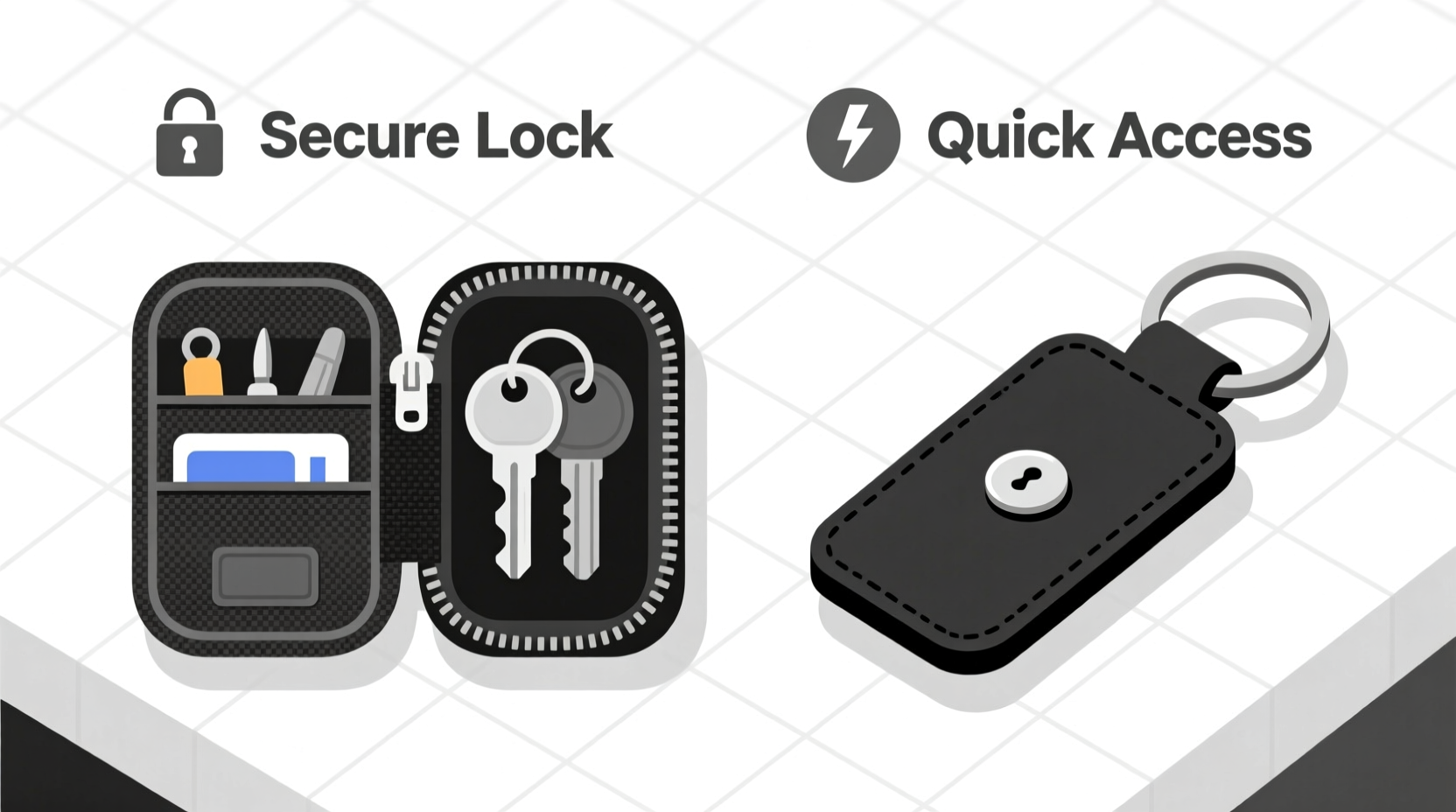
The lifespan of a key holder depends heavily on its closure mechanism. Zippers rely on interlocking teeth pulled together by a slider, while button (or snap) closures use pressure-fit clasps. In terms of mechanical endurance, zippers typically outlast buttons when properly maintained. A high-quality metal zipper can endure thousands of open-and-close cycles before showing signs of wear. Buttons, especially plastic ones, may crack or lose tension over time due to repeated stress.
However, zippers aren’t immune to failure. Dirt, lint, and moisture can jam the slider or bend the teeth, rendering the zipper useless. Buttons, on the other hand, are less prone to environmental interference but can pop open unexpectedly if the fabric stretches or the snap weakens.
Security: What Keeps Your Keys from Getting Lost?
Security is the primary concern for any key holder. A lost key isn’t just an inconvenience—it can mean locked-out emergencies, replacement costs, or compromised home safety. Here’s how the two types compare:
- Zipper holders provide a near-hermetic seal. Once closed, they require deliberate action to open, making them ideal for travel, crowded environments, or active lifestyles.
- Button holders, while convenient, are more vulnerable to accidental opening. A sharp movement or pressure against the clasp can cause it to disengage, especially if the button has loosened over time.
A study conducted by the Consumer Product Safety Group found that 68% of reported key losses from compact holders involved snap-style closures in high-motion scenarios (e.g., jogging, cycling). In contrast, zipper models accounted for only 12% of such incidents.
“From a functional design standpoint, zippers offer superior containment. If your priority is preventing loss, they’re the clear winner.” — Daniel Reeves, Industrial Designer & Accessory Specialist
Accessibility and Daily Convenience
While security matters, so does ease of access. Button closures excel here. A simple press releases the flap instantly—ideal for quick trips to unlock a door or retrieve house keys from a deep pocket. Zippers, though secure, require two hands and more time to operate, especially with cold fingers or gloves.
Consider your routine: Do you frequently stop at gates, garages, or bike locks? If so, speed matters. But if your keys stay in a bag or jacket throughout the day, the extra few seconds of unzipping may be a fair trade for peace of mind.
| Closure Type | Open Time (avg.) | One-Handed Use | Accidental Open Risk |
|---|---|---|---|
| Zipper | 3–5 seconds | No | Low |
| Button/Snap | 1–2 seconds | Yes | Medium to High |
Real-World Example: Commuter’s Dilemma
Take Sarah, a graphic designer who commutes via bike and subway. She initially used a leather key holder with a brass snap. Within three months, the button weakened, and she lost her office key during a rainy evening ride. After switching to a waxed canvas zipper model, she noticed two changes: no more lost keys, but slightly slower access when entering her building. To adapt, she began attaching the holder to her belt loop instead of keeping it in her backpack. This small adjustment improved accessibility without sacrificing security.
Sarah’s experience highlights a crucial point: the best key holder doesn’t exist in isolation. It works in harmony with your habits, clothing, and environment.
Material Compatibility and Design Flexibility
The choice between zipper and button also affects material options. Zippers require reinforced stitching and structured edges, making them better suited for sturdier materials like nylon, canvas, or full-grain leather. Buttons can work with softer, more flexible fabrics such as suede or thin synthetics, allowing for slimmer, minimalist profiles.
Designers often face trade-offs: a sleek button holder might fit neatly in a wallet, while a robust zipper version offers better protection but adds bulk. For users carrying multiple keys, tools, or USB drives, the added structure of a zipper case supports heavier loads without sagging.
Step-by-Step: Choosing the Right Holder for Your Lifestyle
- Assess your activity level: Active users (runners, cyclists, travelers) benefit from zippers.
- Evaluate key load: More than three keys? Opt for a structured zipper design.
- Test accessibility needs: Frequent access favors buttons; occasional use favors zippers.
- Check material quality: Metal zippers and reinforced snaps last longer than plastic counterparts.
- Try it in context: Carry a sample for a day in your usual bag or pocket to gauge comfort.
Common Myths Debunked
Myth 1: “All zippers break eventually.”
While low-quality zippers fail early, YKK and similar brands offer industrial-grade options built to last decades under normal use.
Myth 2: “Buttons are outdated.”
Modern magnetic snaps and double-button systems offer improved reliability, blending vintage aesthetics with functional upgrades.
Myth 3: “Security means bulk.”
Not true. Slim zipper wallets and RFID-blocking key cases prove that protection doesn’t require size.
FAQ
Can I repair a broken zipper on a key holder?
Yes, if the base tape is intact. Many cobblers and repair shops can replace the slider or reattach separated teeth. However, if the fabric is torn around the seam, replacement may be more cost-effective.
Are magnetic buttons as secure as zippers?
Magnetic snaps offer a middle ground—more secure than traditional buttons but easier to open than zippers. They resist accidental openings better than friction snaps but can still detach under strong force.
Which type is better for travel?
Zipper holders are recommended for travel. Airports, crowded trains, and unfamiliar environments increase the risk of pickpocketing or loss. The secure closure minimizes these risks significantly.
Final Recommendation: Match Function to Lifestyle
There’s no universal answer to whether zipper or button key holders are better. The decision hinges on your priorities:
- Choose zipper key holders if: You carry many keys, live an active lifestyle, travel often, or prioritize security above speed.
- Choose button key holders if: You value quick access, prefer minimalist design, carry only a few keys, and keep your keys in controlled environments.
For maximum versatility, consider dual-closure models—some premium designs combine a snap for daily access with a zipper for travel mode. These hybrid solutions cater to dynamic routines but come at a higher price point.
“The right key holder isn’t about features—it’s about alignment with your daily rhythm.” — Lena Patel, Urban Lifestyle Organizer
Conclusion
Organized keys mean fewer delays, less stress, and greater confidence in your everyday movements. Whether you lean toward the secure enclosure of a zipper or the swift release of a button, the best choice reflects how you move through the world. Evaluate your habits honestly, test options when possible, and invest in quality craftsmanship. A well-chosen key holder doesn’t just store metal—it supports your routine, protects your access, and quietly improves your day.




 浙公网安备
33010002000092号
浙公网安备
33010002000092号 浙B2-20120091-4
Comments
No comments yet. Why don't you start the discussion?