All categories
Featured selections
Trade Assurance
Buyer Central
Help Center
Get the app
Become a supplier
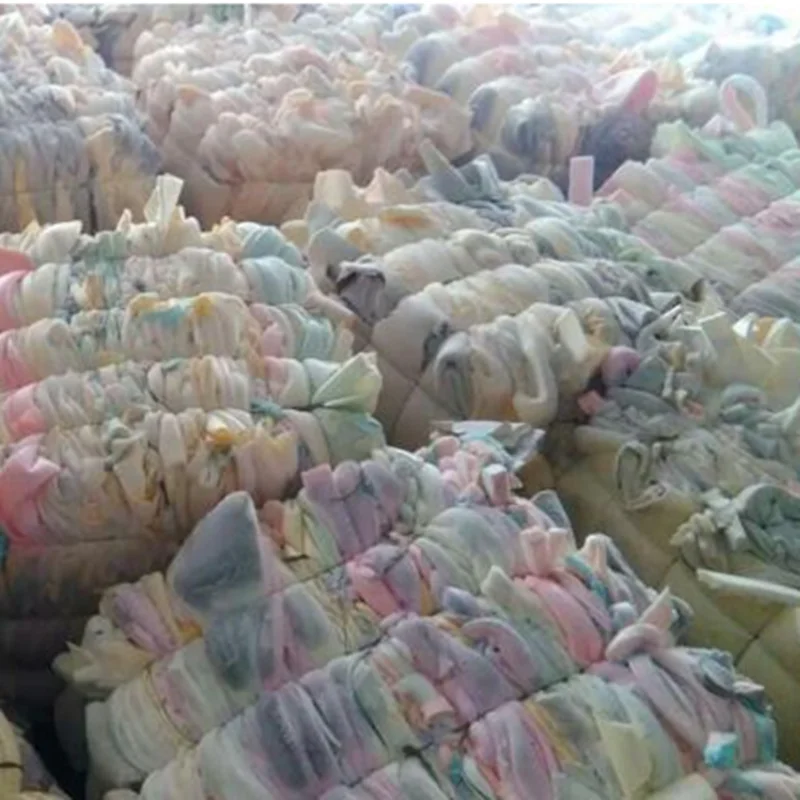
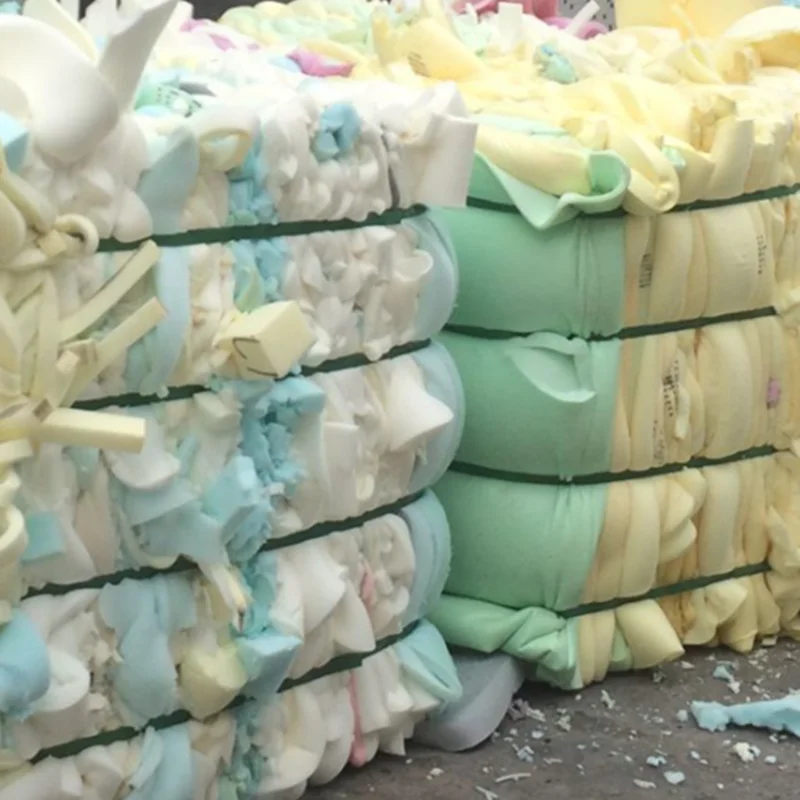
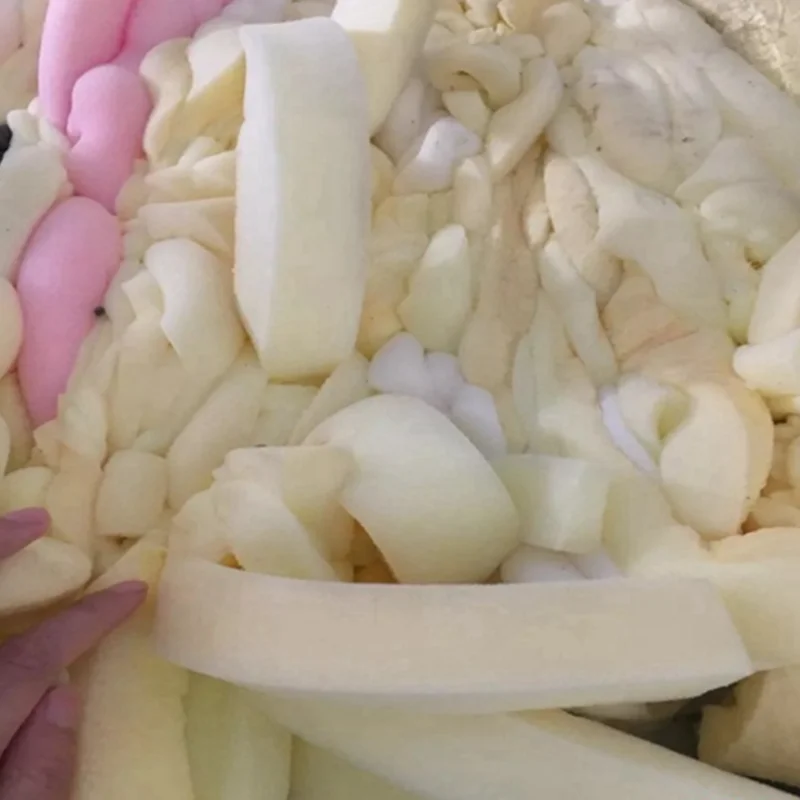
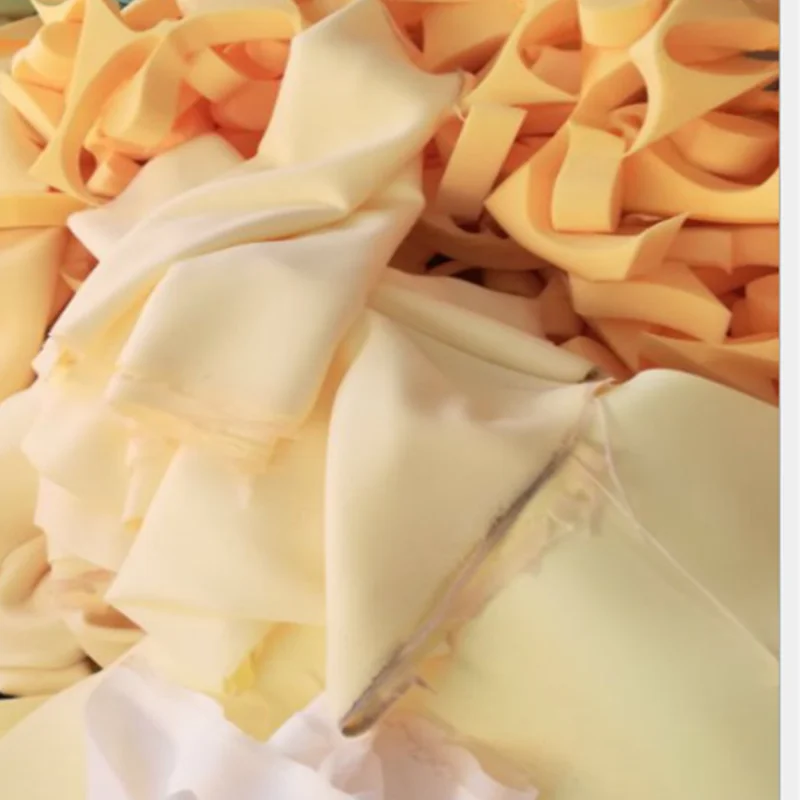
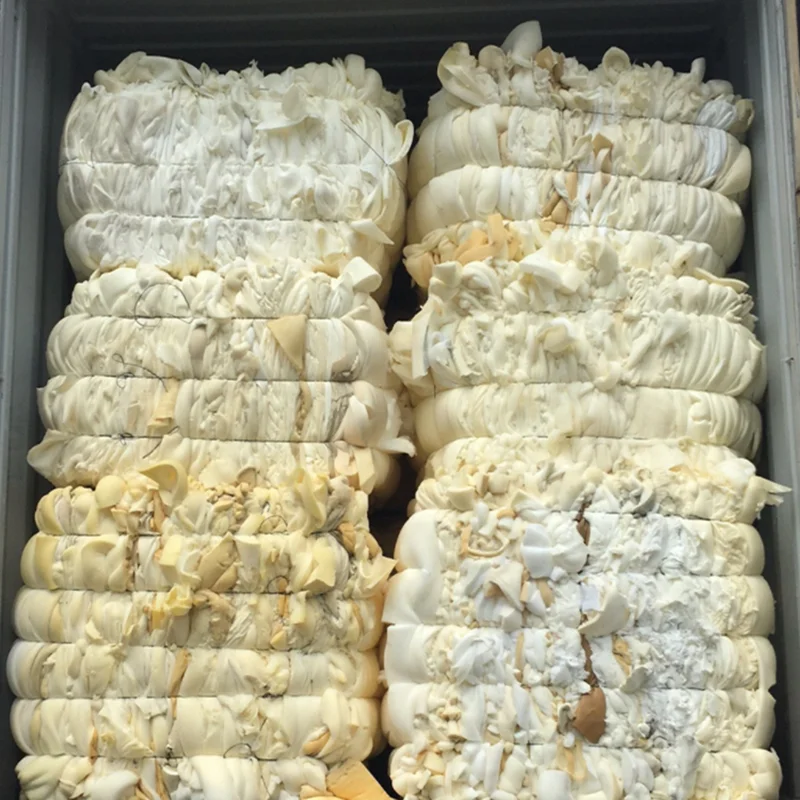
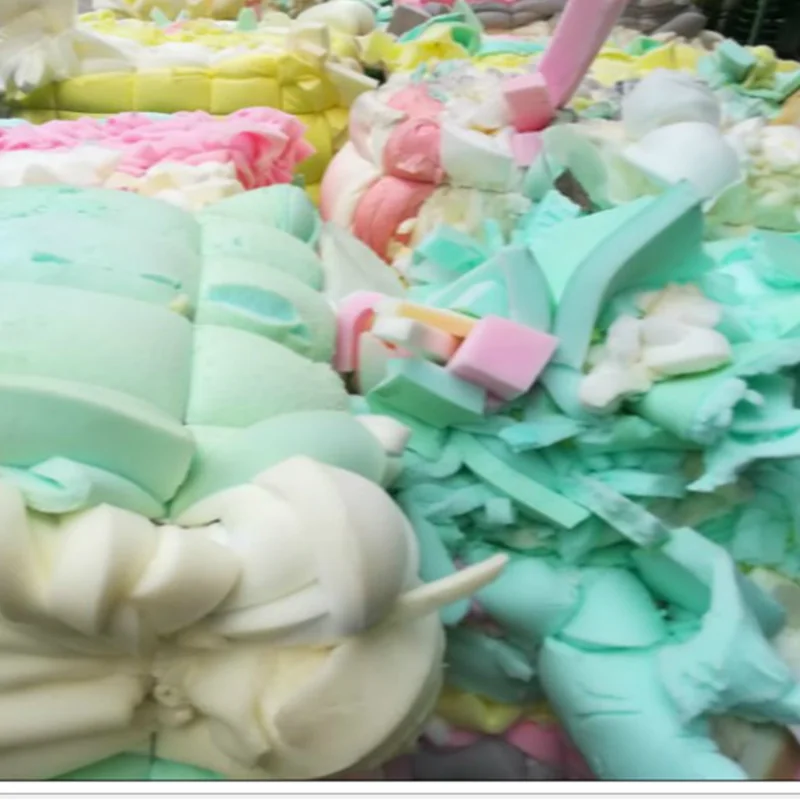
100% Clean and Dry Foam Waste PU Scrap Foam in Bales is a sustainable material solution for automotive and high-end furniture applications. Made from post-consumer polyurethane (PU) foam, this recycled product is processed to ISO 14001 standards, ensuring readiness for immediate use in cushioning, upholstery, and ergonomic designs.
| Feature | Specification | Application Scenario |
|---|---|---|
| Material | 100% Polyurethane (PU) | Car seats, luxury furniture upholstery |
| Type | Recycled scrap foam | Automotive seating, bespoke furniture padding |
| Clean & Dry | ISO 14001 certified | Sustainable manufacturing without pre-treatment |
| Density Range | 30–60 kg/m³ (adjustable) | Custom cushioning for ergonomic seating |
| Moisture Resistance | Military-grade (Pro Model) | Humid environments, marine furniture |
Adjustable density (30–60 kg/m³) and thickness to meet ergonomic requirements for automotive seating or bespoke furniture designs.
Transform recycled PU foam into high-performance components for automotive and luxury furniture applications. Our baled scrap foam offers unmatched versatility, enabling eco-conscious manufacturers to create durable, comfortable products without compromising on sustainability.
| Parameter | Base Model | Advanced Model | Pro Model |
|---|---|---|---|
| Density Range | 30–40 kg/m³ | +15% (35–46 kg/m³) | +30% (40–60 kg/m³)* |
| Compression Strength | 1,000 N/m² | Enhanced (1,150 N/m²) | Premium (1,300 N/m²) |
| Moisture Resistance | Standard | Improved | Military-grade |
| Certifications | ISO 14001 | +REACH | +UL GreenGuard |
Technical Breakthroughs:
Version Selection Guide:
Example: With the Pro Model’s 60 kg/m³ density, you can create car seats that withstand daily wear and tear. Paired with military-grade moisture resistance, this foam ensures longevity even in coastal climates.

The Product Description is generated by third-party, and Alibaba.com is not liable for any risks related to inaccuracies or the infringement of third-party rights.
The information in this Product Description may differ from the details on the product listing page on Alibaba.com. Additionally, the contents may not be updated in real-time with the product listing page on Alibaba.com, and there may be delays in reflecting the most updated information. The description on product listing page takes precedence. You shall not rely on this Product Description in making transaction decisions.
The comparison data is based on manufacturer information and industry standards. Actual results may vary depending on individual use cases. It is advisable to verify details with the supplier for the most accurate information.