All categories
Featured selections
Trade Assurance
Buyer Central
Help Center
Get the app
Become a supplier


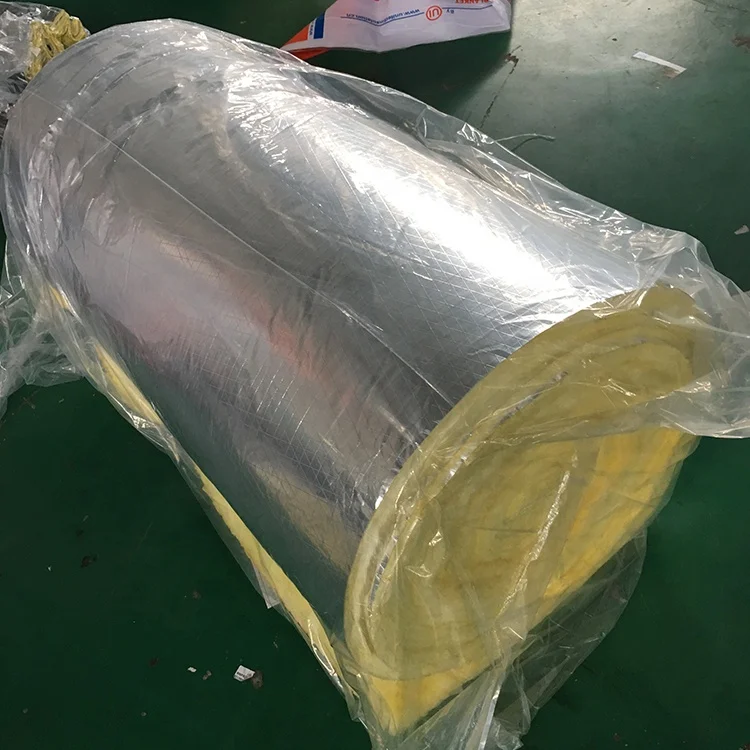
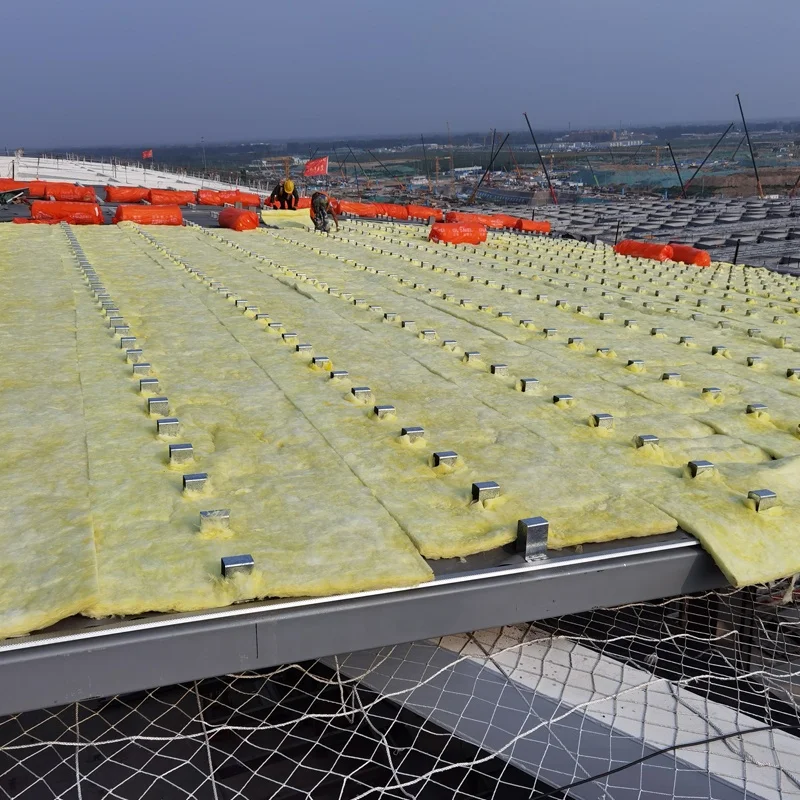
The 100mm Fiber Glass Insulation Laminated Aluminum Foil is a high-performance thermal and acoustic insulation solution designed for commercial and residential buildings. Engineered with a glass wool core and a reflective aluminum foil layer, this roll insulation offers superior fire resistance, energy efficiency, and soundproofing. Certified to EPR Germany standards, it is ideal for office buildings, hotels, malls, and apartment roofs, ensuring compliance with rigorous safety and environmental regulations.
| Feature | Specification | Application Scenario |
|---|---|---|
| Material | Glass wool (fiberglass) core with laminated aluminum foil | Roofs, walls, and floors requiring fireproofing and thermal insulation |
| Thickness | 100mm | Standard insulation for moderate climate zones |
| Fire Resistance | Non-combustible (meets EU Class A1 fire rating) | High-risk commercial spaces like malls and hotels |
| Thermal Resistance | R-value of 4.0 (ISO 8301) | Reducing heat transfer in attics and roofs |
| Sound Absorption | NRC (Noise Reduction Coefficient) of 0.7 | Noise-sensitive areas like offices and apartments |
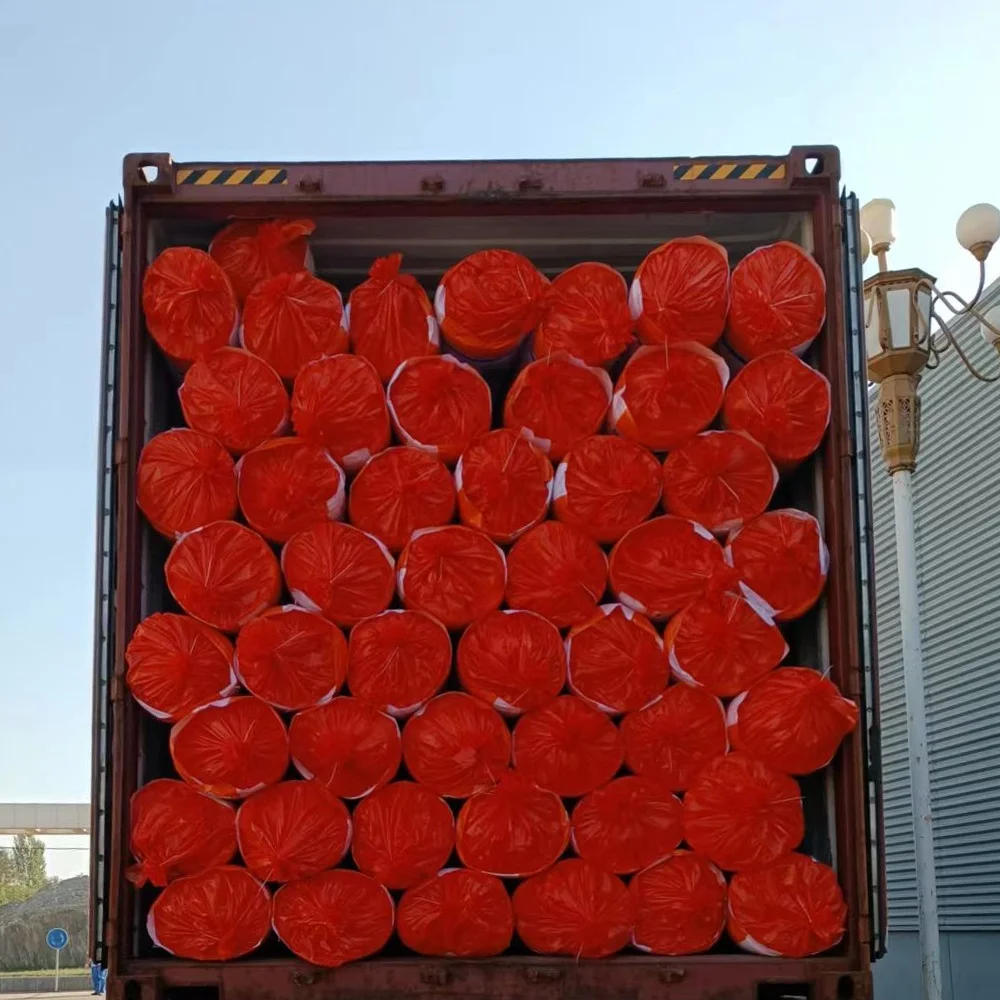
| Certifications | EPR Germany Packing, CE Mark | EU-compliant construction projects |
Adjustable parameters:
With its reflective aluminum foil and fireproof glass wool core, this insulation roll delivers unmatched energy efficiency and safety. Perfect for retrofitting older buildings or new constructions, it reduces heating/cooling costs while maintaining acoustic comfort.
| Parameter | Base Model | Advanced Model | Pro Model |
|---|---|---|---|
| Thermal Resistance | R-value 4.0 | R-value 4.8 (+20%) | R-value 5.6 (+40%) |
| Fire Rating | EU Class A1 | EU Class A1 | EU Class A1 + 30% higher endurance |
| Sound Absorption | NRC 0.7 | NRC 0.8 (+14%) | NRC 0.9 (+29%) |
| Weight | 12 kg/m² | 14 kg/m² | 16 kg/m² |
Technical Breakthroughs:
Version Selection Guide:
With the Pro Model’s 40% higher thermal resistance, you can achieve energy savings of up to 25% in extreme climates. Pair its fireproof core with the Advanced Model’s lightweight design to simplify installation in multi-story structures.

The Product Description is generated by third-party, and Alibaba.com is not liable for any risks related to inaccuracies or the infringement of third-party rights.
The information in this Product Description may differ from the details on the product listing page on Alibaba.com. Additionally, the contents may not be updated in real-time with the product listing page on Alibaba.com, and there may be delays in reflecting the most updated information. The description on product listing page takes precedence. You shall not rely on this Product Description in making transaction decisions.
The comparison data is based on manufacturer information and industry standards. Actual results may vary depending on individual use cases. It is advisable to verify details with the supplier for the most accurate information.