All categories
Featured selections
Trade Assurance
Buyer Central
Help Center
Get the app
Become a supplier
Customization:
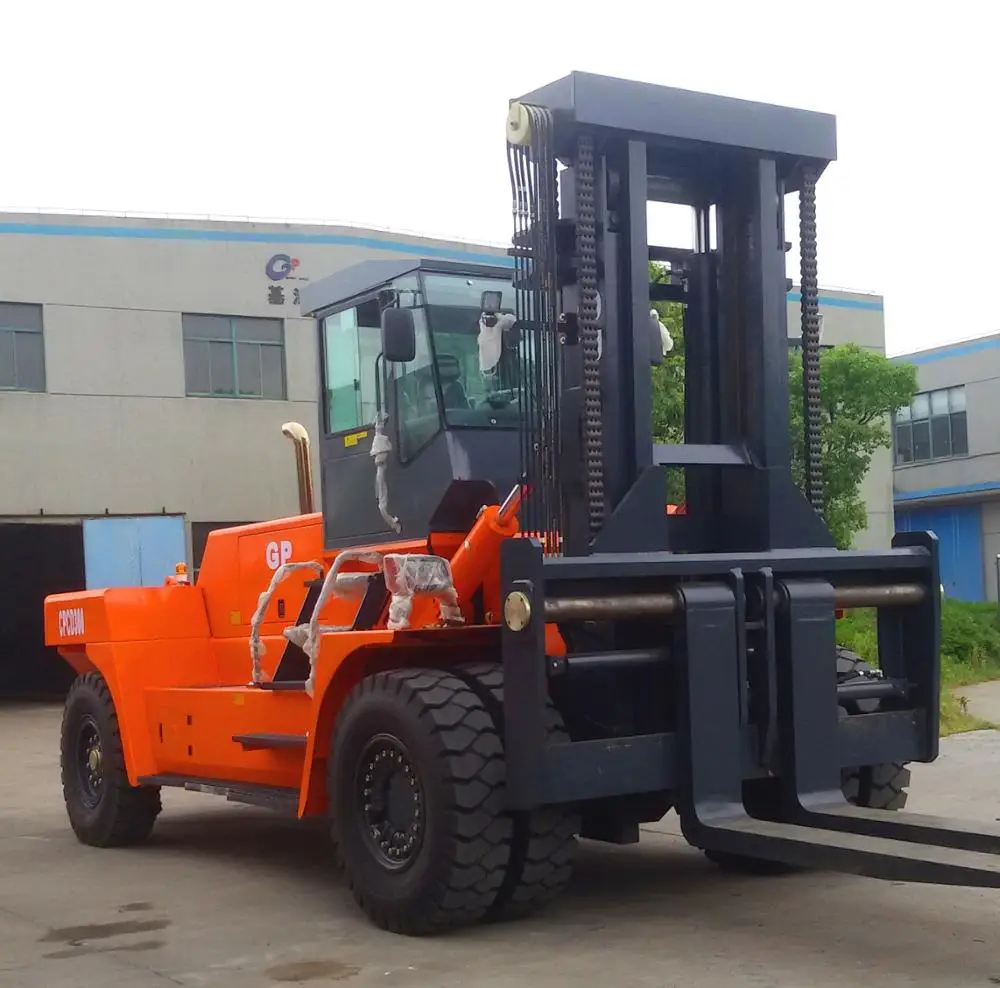
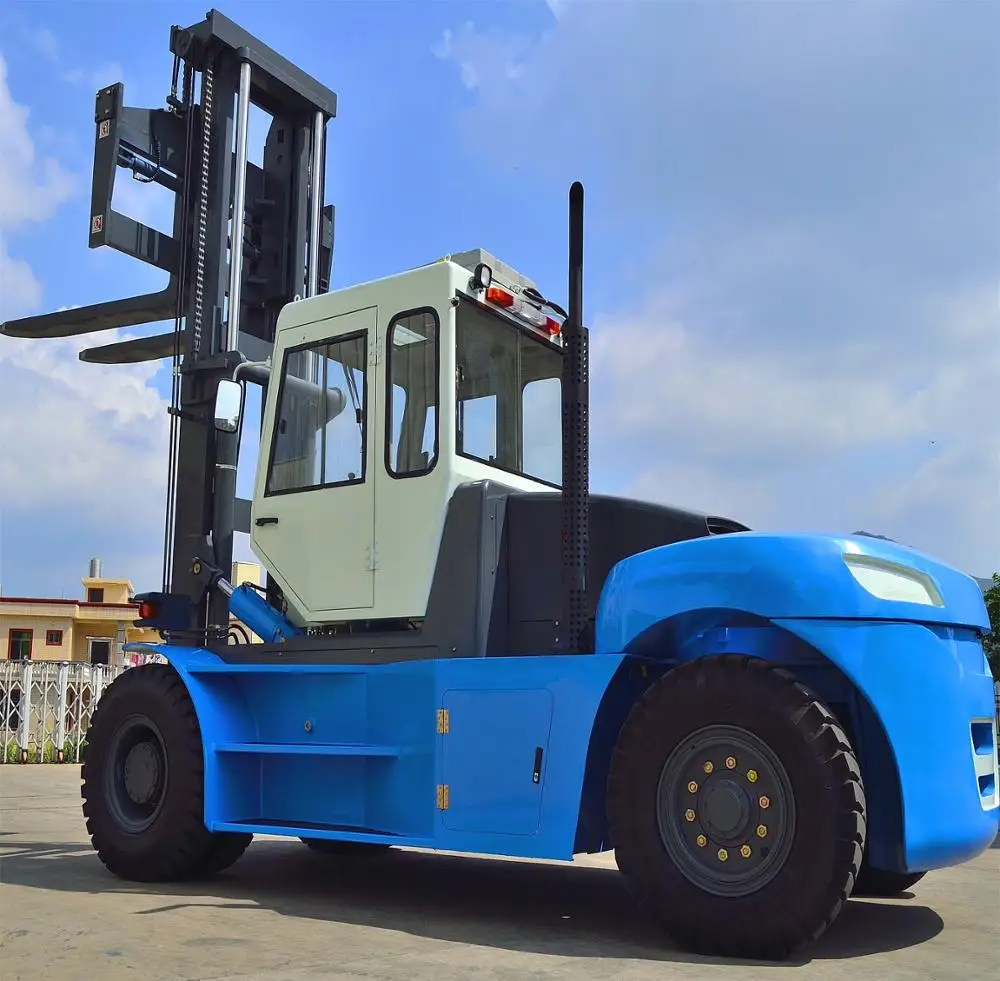
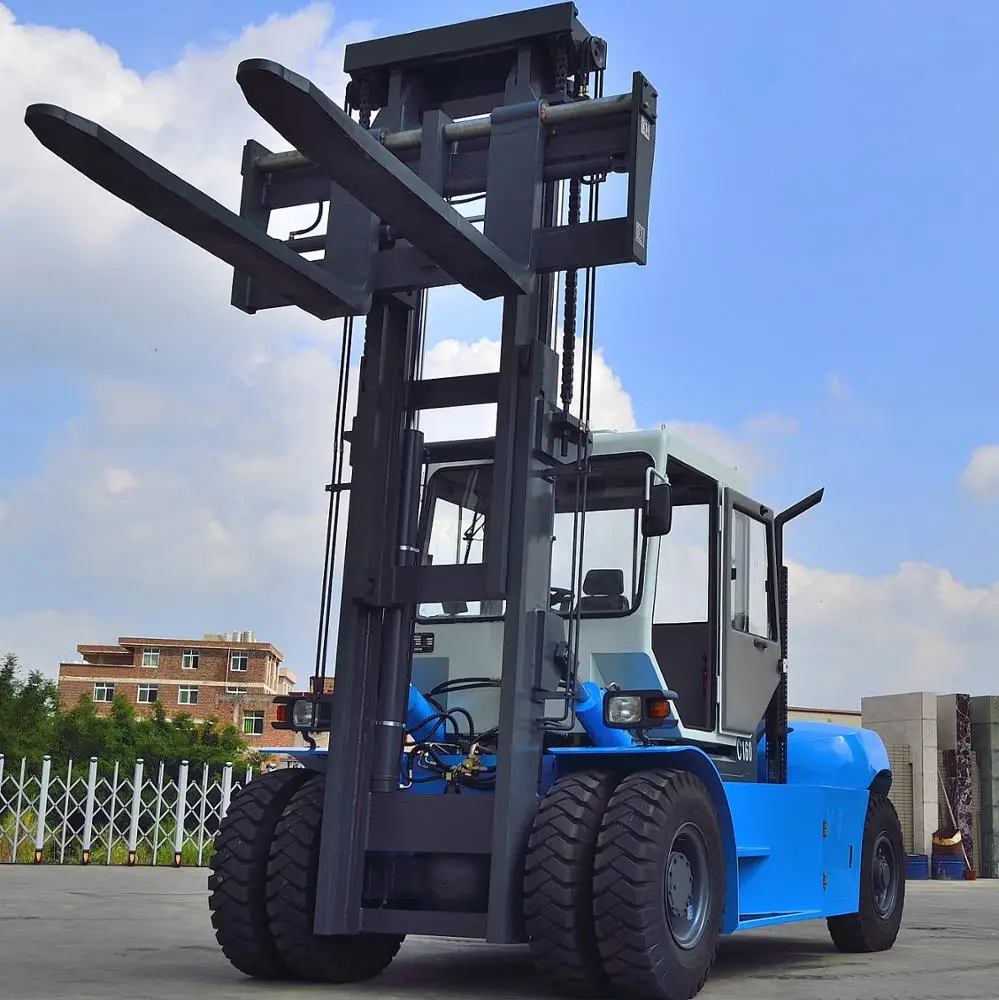
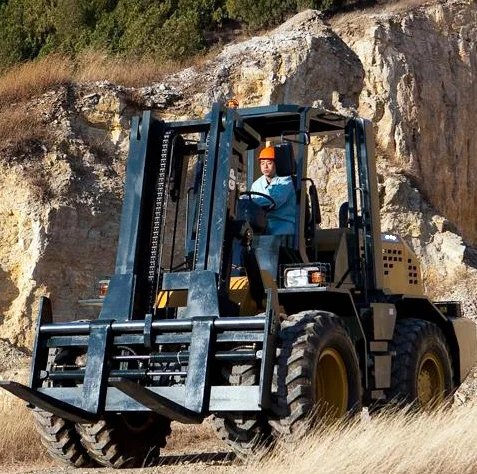
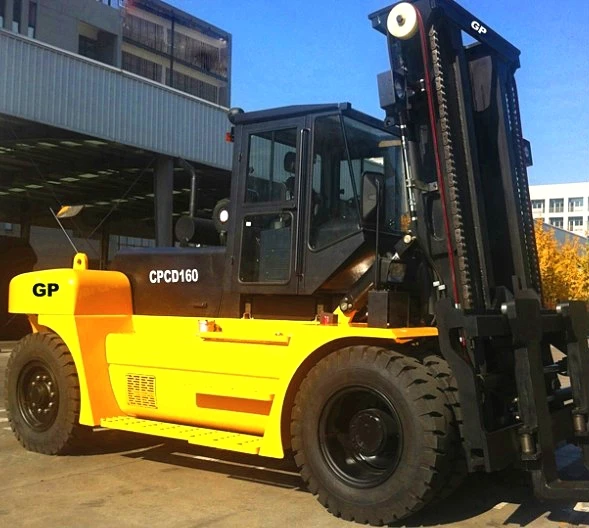
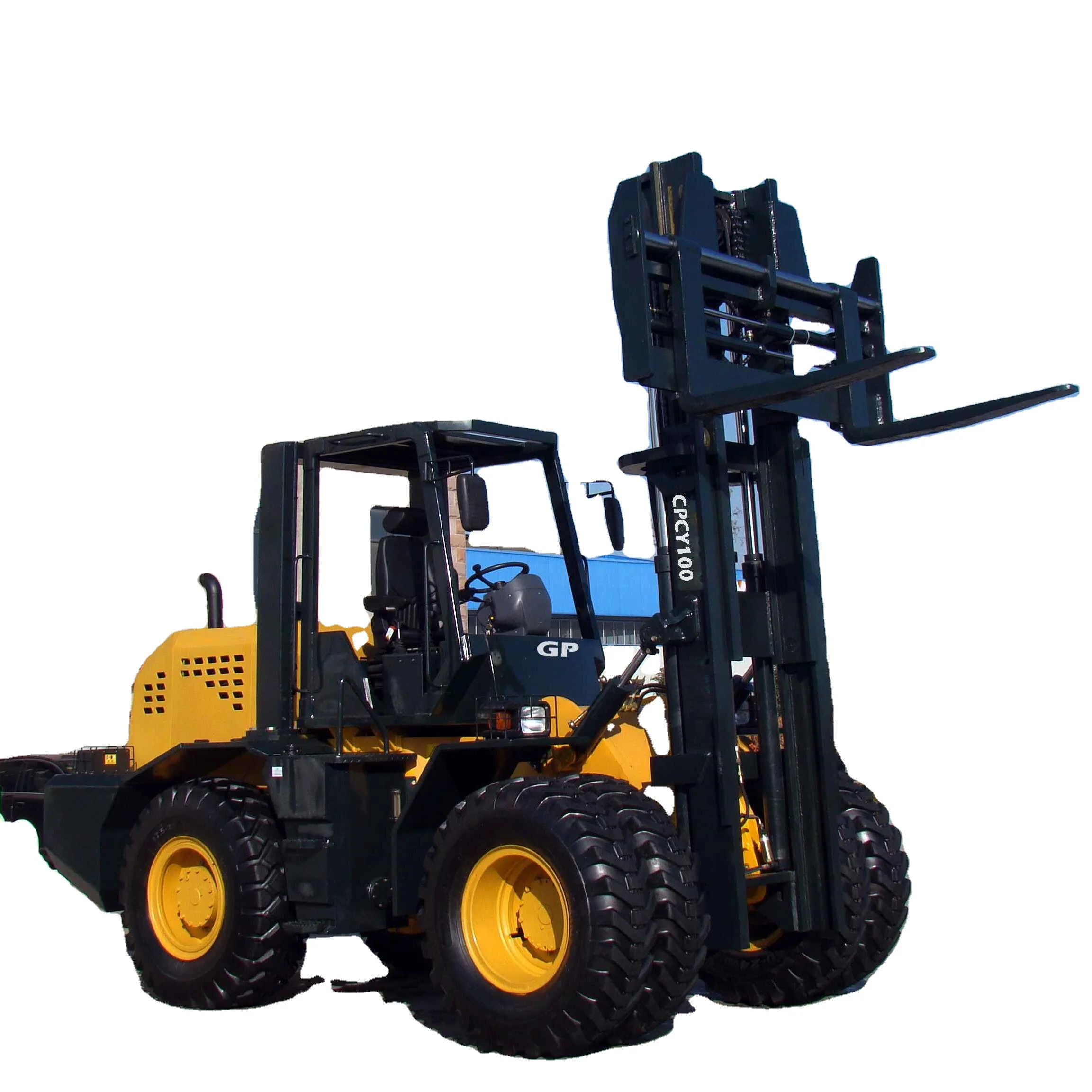
The GP CPCY100 16-ton heavy-duty diesel forklift truck is engineered for rugged terrain and high-load applications. Equipped with a CE-certified design, this vehicle combines robust steel construction, durable rubber tires, and an enclosed operator cab to ensure safety and efficiency in demanding environments.
| Feature | Specification | Benefit |
|---|---|---|
| Load Capacity | 16,000 kg (35,274 lbs) | Handles heavy industrial and construction loads |
| Frame Material | High-strength steel | Ensures structural integrity and durability |
| Tires | Rugged, off-road rubber compound | Optimized for uneven terrain and stability |
| Engine | Diesel-powered, 90 HP | Reliable performance in harsh conditions |
| Certification | CE-compliant | Meets EU safety and quality standards |
| Cab Features | Enclosed, climate-controlled with seatbelt | Enhances operator safety and comfort |
Adjustable parameters include fork length, attachment compatibility (e.g., clamps, pallet forks), and safety features (e.g., roll cages, LED lighting) to meet specialized needs such as mining, construction, or port logistics.
The CPCY100’s rugged design and CE certification make it ideal for warehouses, construction sites, and industrial zones. Pair its heavy-duty capacity with customizable attachments to streamline material handling in any terrain.
| Parameter | Base Model | Advanced Model | Pro Model |
|---|---|---|---|
| Load Capacity | 16,000 kg | +15% (18,400 kg) | +30% (20,800 kg)* |
| Engine Power | 90 HP | 103.5 HP | 117 HP |
| Attachments | Standard forks | Optional clamps | Full attachment kit |
| Terrain Adaptability | Rough terrain | All-terrain tires | Mud/rock-specific tires |
Three Technical Breakthroughs:
Optimal Version Selection:
With its CE certification, you can ensure regulatory compliance across EU markets. The Pro version’s 20.8-ton capacity triples the industry baseline for heavy-duty tasks, while its mud-specific tires enhance grip in unstable environments. Pair this with the full attachment kit to handle oversized materials efficiently.
Note: All performance metrics are based on GP’s internal testing against ISO 9802 standards.

The Product Description is generated by third-party, and Alibaba.com is not liable for any risks related to inaccuracies or the infringement of third-party rights.
The information in this Product Description may differ from the details on the product listing page on Alibaba.com. Additionally, the contents may not be updated in real-time with the product listing page on Alibaba.com, and there may be delays in reflecting the most updated information. The description on product listing page takes precedence. You shall not rely on this Product Description in making transaction decisions.
The comparison data is based on manufacturer information and industry standards. Actual results may vary depending on individual use cases. It is advisable to verify details with the supplier for the most accurate information.