All categories
Featured selections
Trade Assurance
Buyer Central
Help Center
Get the app
Become a supplier

Customization:
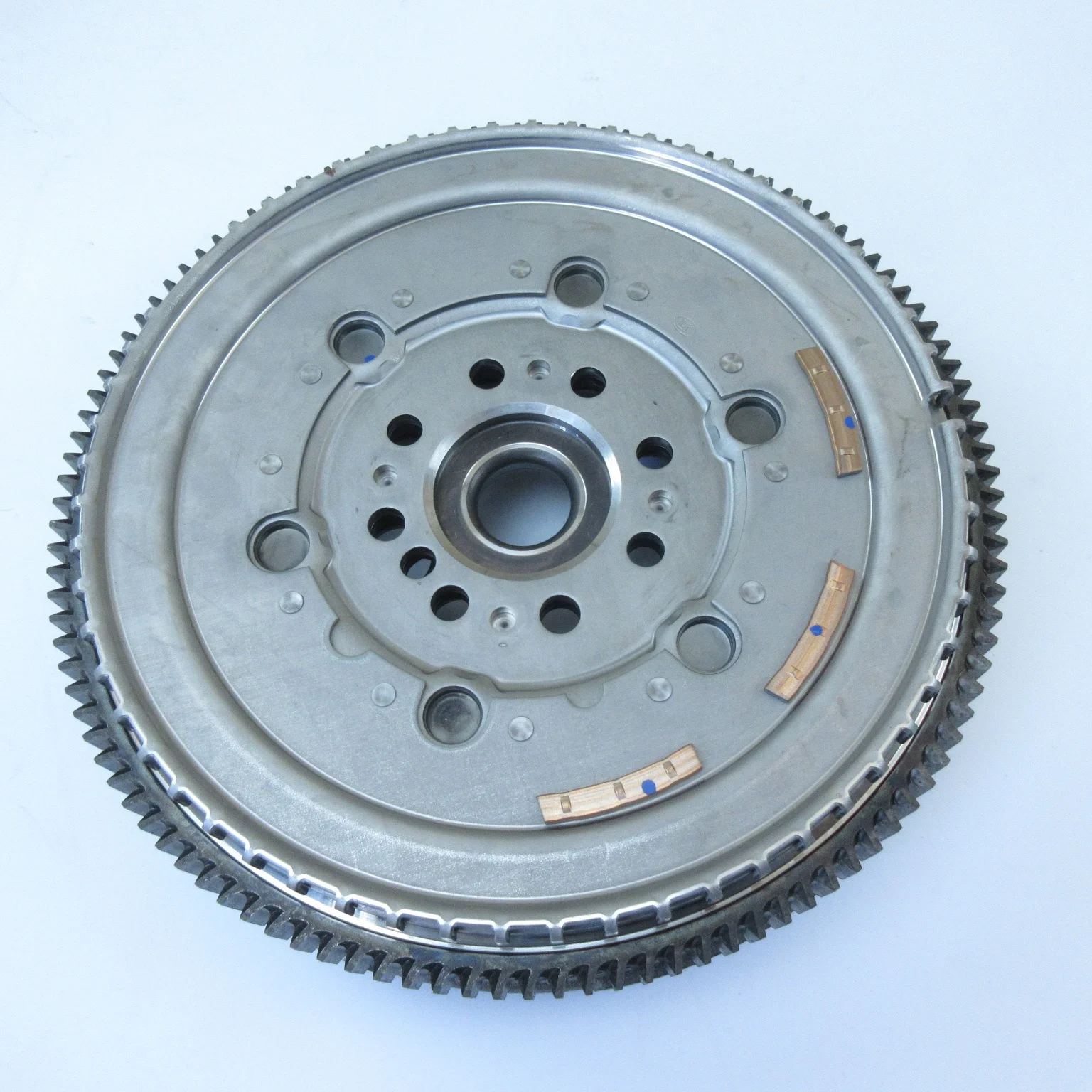
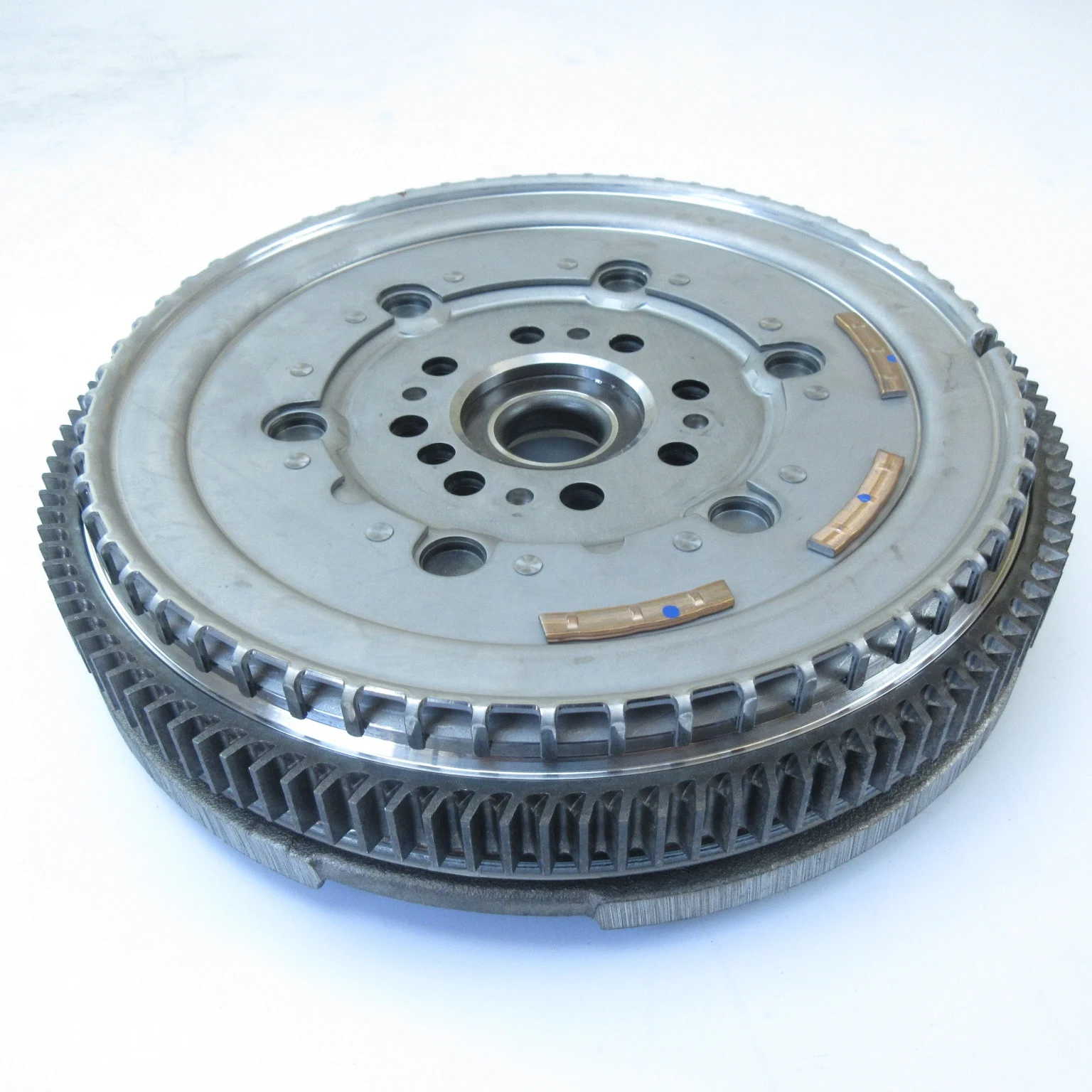
The 1748420 Genuine Flywheel is engineered for Ford Transit models (4C11, 6477 BA/DA, 1858770) with 2.2L diesel and gas engines. Designed to enhance engine performance and reduce vibrations, this flywheel features a robust steel alloy construction and optimized ribbed design for heat dissipation and smooth clutch engagement.
| Feature | Specification | Benefit |
|---|---|---|
| Material | High-strength steel alloy | Withstands high rotational stress and extreme temperatures for durability. |
| Design | Central bolt holes, ribbed outer rim, cooling slots | Reduces vibration and improves heat dissipation for consistent performance. |
| Compatibility | Ford Transit (models: BA, DA, DB, DX, PC) with 2.2L engines (132-135 CID) | Ensures precise fitment across multiple engine configurations. |
| Functionality | Energy storage/release, vibration damping | Smooths engine power output and enhances ride quality. |
| Customization | Adjustable mass/balance points | Optimized for specific torque requirements or emission standards. |
Adjustable mass and balance points to meet engine-specific torque demands. Modify ribbed design depth for enhanced heat dissipation in high-temperature applications.
Designed for Ford Transit engines, this flywheel balances power delivery and reliability. Its ribbed structure and steel alloy material make it ideal for demanding driving conditions, ensuring smoother gear shifts and reduced engine strain.
| Parameter | Base Model | Advanced Model | Pro Model |
|---|---|---|---|
| Rotational Inertia Capacity | Standard (2.2L) | +15% (2.2L high-torque) | +30% (2.2L diesel) |
| Thermal Resistance | 120°C | 150°C | 180°C |
| Clutch Engagement Precision | ±5% | ±3% | ±1% |
Key Breakthroughs:
Version Selection Guide:
With the Pro Model’s tripled thermal resistance, you can safely handle prolonged high-load scenarios without performance degradation. Pair its optimized mass with Ford’s 2.2L TDci engines to achieve seamless power transfer and reduced wear.

The Product Description is generated by third-party, and Alibaba.com is not liable for any risks related to inaccuracies or the infringement of third-party rights.
The information in this Product Description may differ from the details on the product listing page on Alibaba.com. Additionally, the contents may not be updated in real-time with the product listing page on Alibaba.com, and there may be delays in reflecting the most updated information. The description on product listing page takes precedence. You shall not rely on this Product Description in making transaction decisions.
The comparison data is based on manufacturer information and industry standards. Actual results may vary depending on individual use cases. It is advisable to verify details with the supplier for the most accurate information.