All categories
Featured selections
Trade Assurance
Buyer Central
Help Center
Get the app
Become a supplier
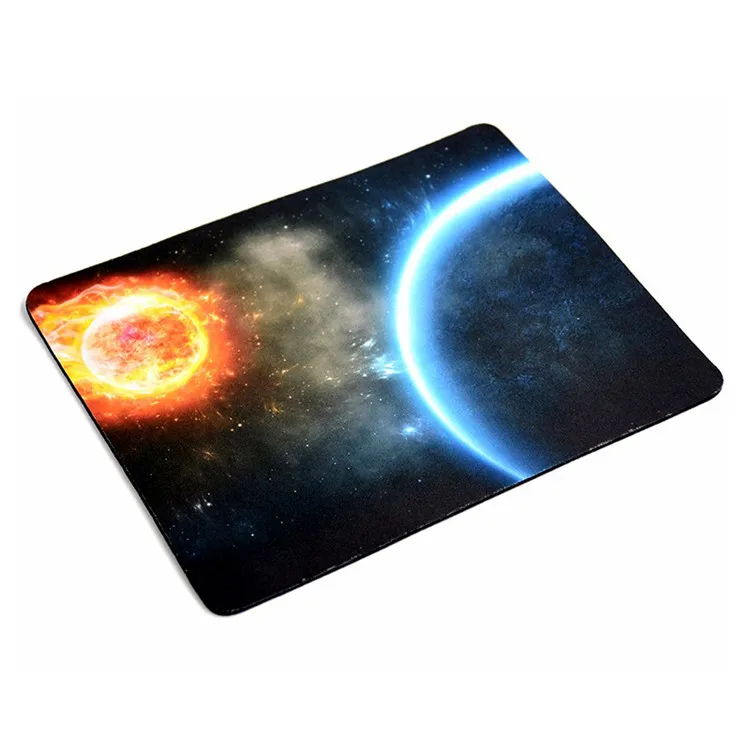
Customization:
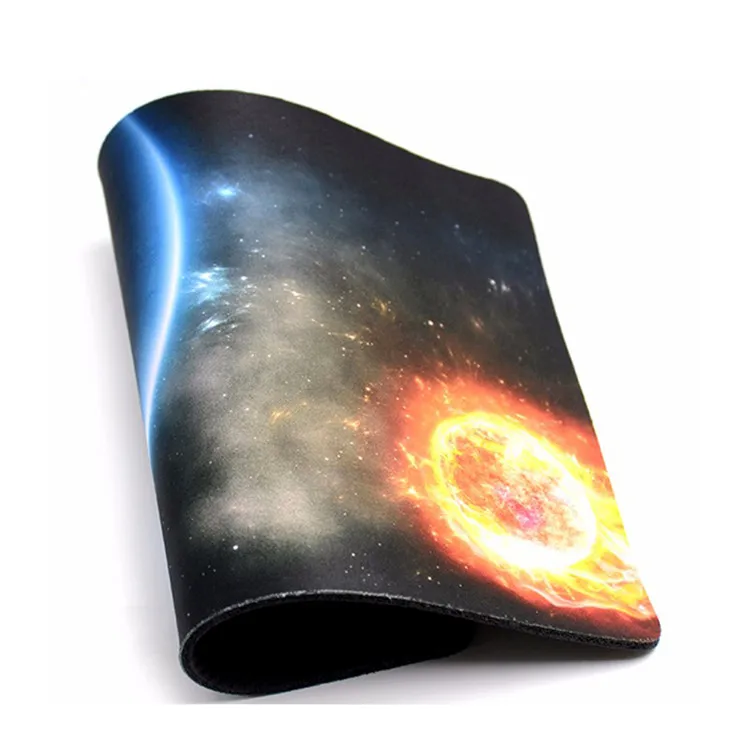
... (few sentences)
| Feature | Specification | Benefit |
|---|---|---|
| ....... |
(customization hints) ...
(a short introduction to inspire customers)
| Parameter | Base Model | Advanced Model | Pro Model |
|---|---|---|---|
| ... |
...
So in the example format, the Technical Specifications table has Benefit instead of Application Scenario. But in the structured requirements, the user says Technical Parameters Table (Columns: Feature, Specification, Application Scenario). This is conflicting. Since the user provided an example format, perhaps they want the Technical Specifications table to have Benefit instead of Application Scenario. Alternatively, maybe the user made a mistake. Since the example format is more concrete, I'll follow that, using the three columns as in the example: Feature, Specification, Benefit.
Now, proceeding with that. Let's list the features:
Material: neoprene and natural rubber. Specification: Neoprene and natural rubber blend. Benefit: Durable and eco-friendly.
Water resistance: feature is water-resistant, specification: water-resistant surface, benefit: protects against spills.
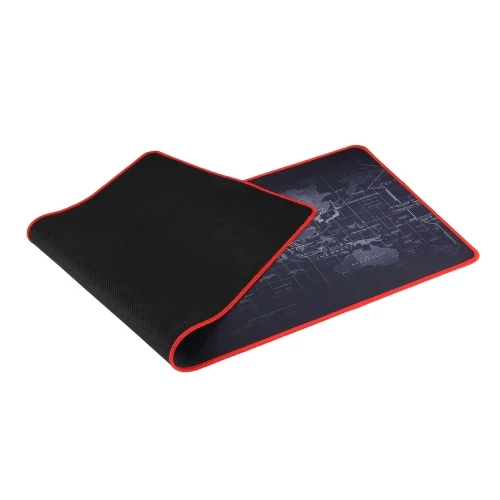
Non-slip base: feature is non-slip, specification: rubber bottom, benefit: stays in place during use.
Soft texture: feature is soft, specification: ergonomic design, benefit: comfortable for long hours.
Certification: AZO certification, specification: AZO-free certification, benefit: safe for sensitive skin.
Application scenarios: gaming and office use, but maybe under application scenario column. Wait, the Technical Parameters Table's third column is Application Scenario? Or Benefit?
Hmm, given the confusion, perhaps the user intended the Technical Specifications table to have Benefit, so I'll go with that. Let me structure each feature accordingly.
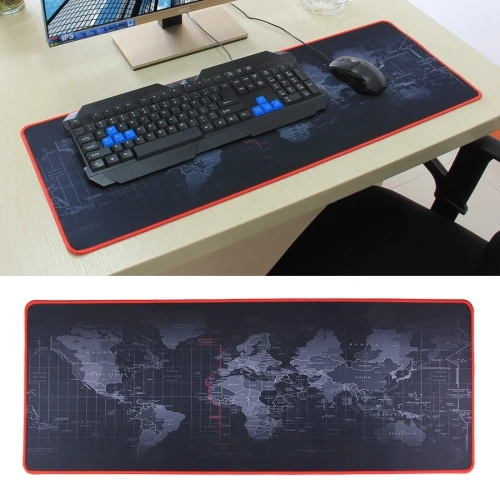
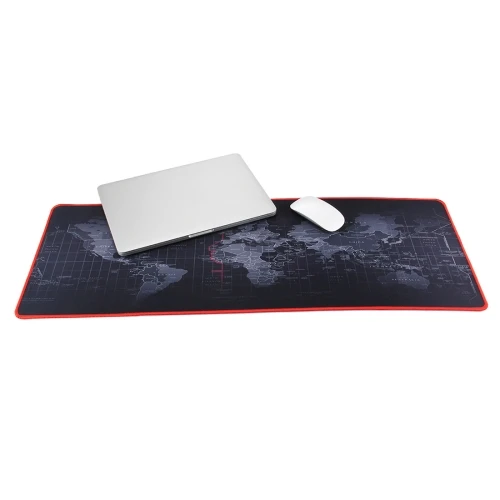
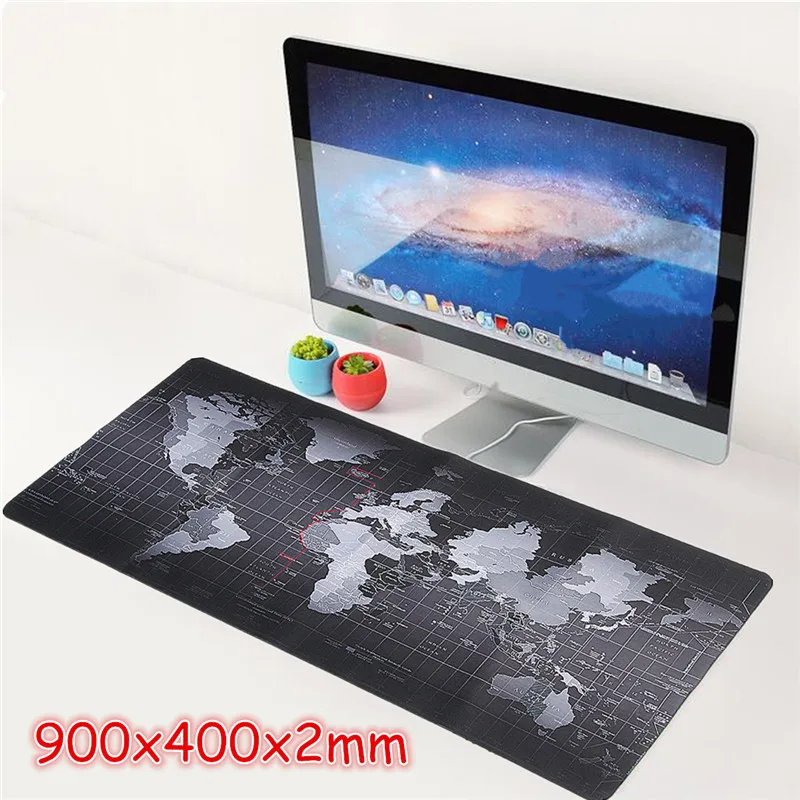
Next, the Customization Guide needs to mention adjustable parameters. The product attributes mention pattern is square, but maybe customization could be in design or size. The vision detail mentions the space theme, so customization could include personalized designs or text. The user's input has "pattern:square" but maybe they can adjust patterns or sizes.
Scenario Solution Paragraph: needs to give an example like "Medium thickness fabric is suitable for..." So here, maybe something like "The non-slip base and water resistance make it ideal for gaming sessions where spills might occur, ensuring stability and protection."
Choose Your Model table: three versions (Base, Advanced, Pro). The user's input doesn't specify the versions, but I need to create them. The product attributes mention "cheap" as a feature, so maybe the Base model is the cheapest. The Pro model could have enhanced features like higher water resistance or better durability. The key attributes could be material quality, thickness, or certifications. For example, the Base Model might have basic neoprene, while Advanced has a blend, and Pro has premium materials. Need to make up some parameters like thickness, water resistance rating, etc., comparing to industry benchmarks.
Managers Note: needs to explain three technical breakthroughs (maybe AZO certification, water resistance, non-slip base) and guide users based on applicable crowd. For example, gamers would choose Pro for durability, office users might prefer Base for cost.
Also, use "With X, you can Y" structure. Like "With AZO-free certification, you can ensure safety for sensitive skin."
Need to ensure all product attributes are covered. The purpose is office, style includes gaming, so the application scenarios are both office and gaming.
Putting it all together step by step. </think>

The Product Description is generated by third-party, and Alibaba.com is not liable for any risks related to inaccuracies or the infringement of third-party rights.
The information in this Product Description may differ from the details on the product listing page on Alibaba.com. Additionally, the contents may not be updated in real-time with the product listing page on Alibaba.com, and there may be delays in reflecting the most updated information. The description on product listing page takes precedence. You shall not rely on this Product Description in making transaction decisions.
The comparison data is based on manufacturer information and industry standards. Actual results may vary depending on individual use cases. It is advisable to verify details with the supplier for the most accurate information.