All categories
Featured selections
Trade Assurance
Buyer Central
Help Center
Get the app
Become a supplier
Customization:
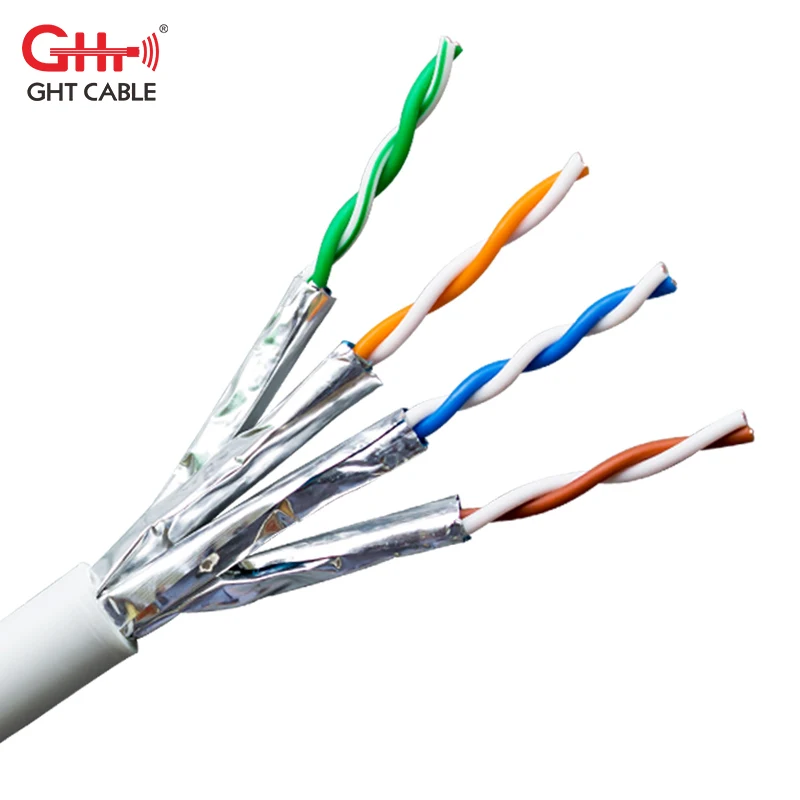
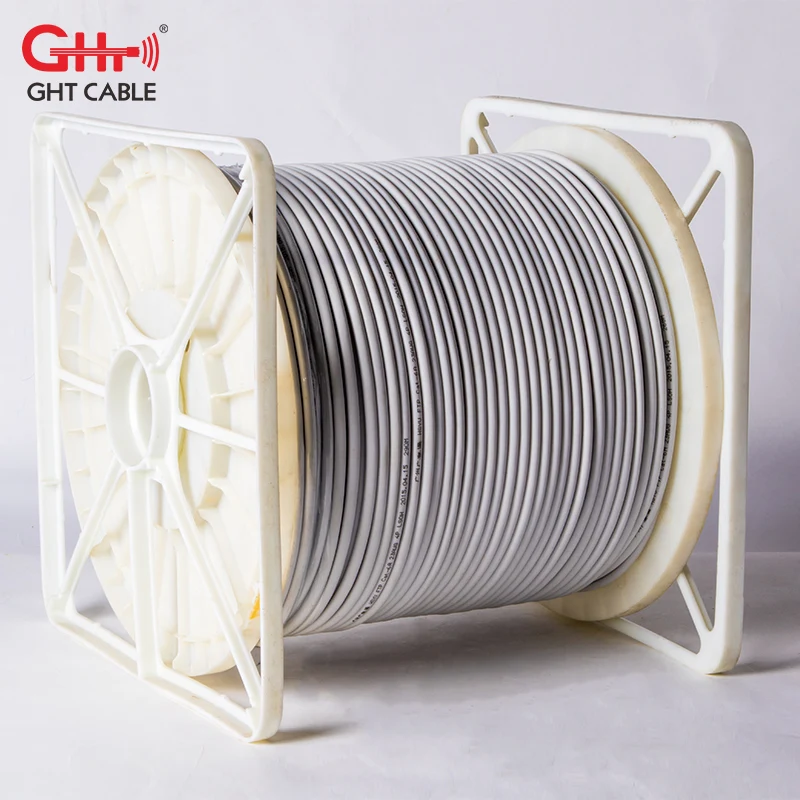
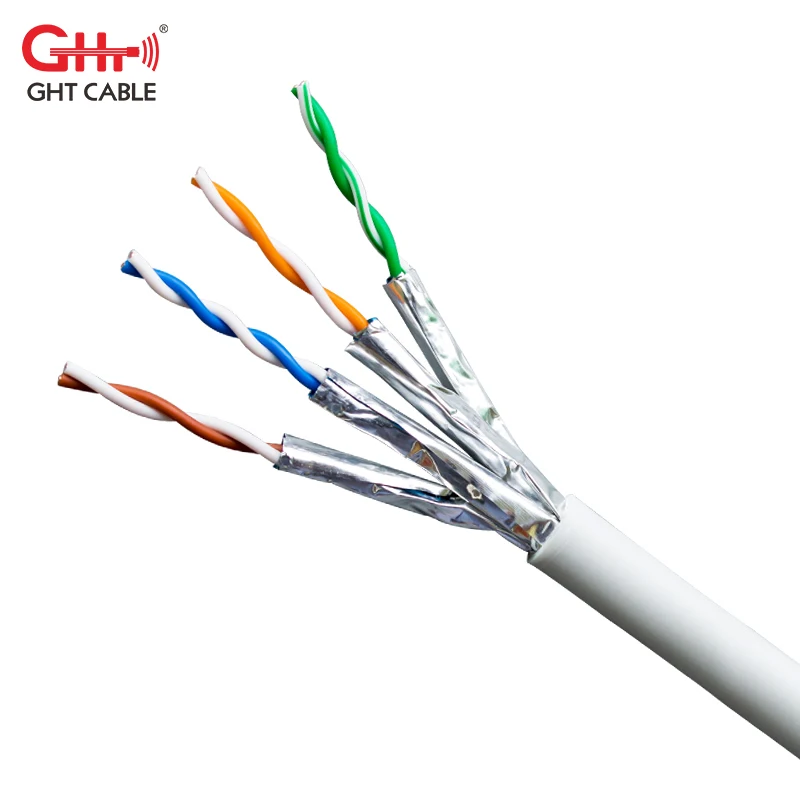
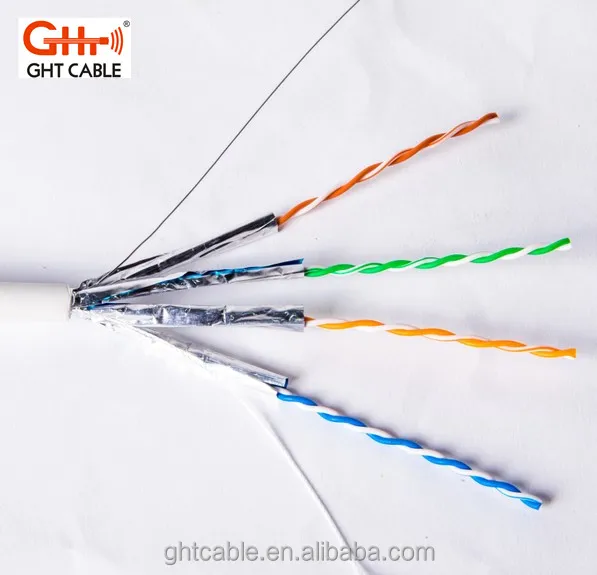
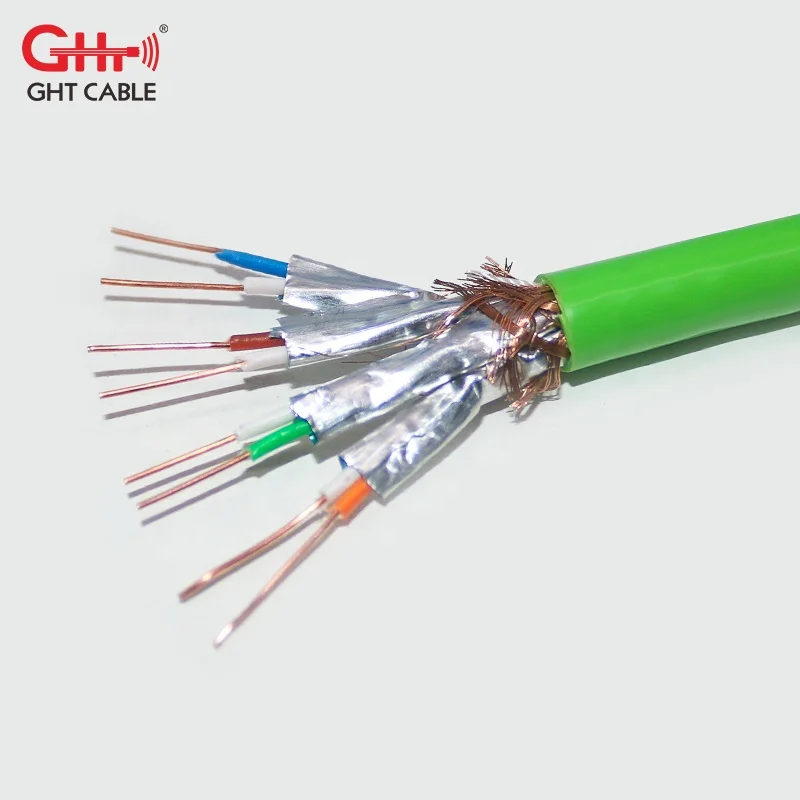
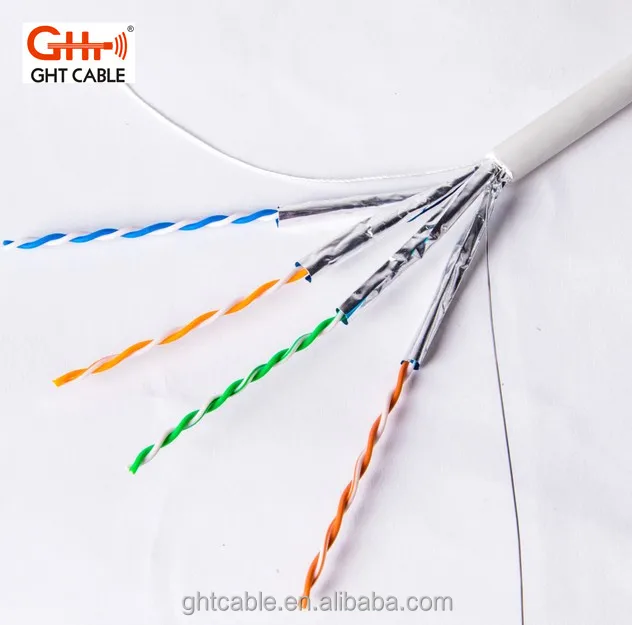
The 22/23AWG Pure Copper Cat6a/Cat7 Network Cable combines high-performance materials and advanced shielding to deliver reliable, high-speed data transmission. Designed for networking applications, it features stranded bare copper conductors for flexibility, S/FTP shielding to reduce interference, and durable PE/PVC jackets for longevity. Available in 100m/305m/1000ft lengths with RJ45 connectors, it supports versatile deployment in offices, data centers, and smart homes.
| Feature | Specification | Benefit |
|---|---|---|
| Material | 22/23AWG bare copper conductors, PE/PVC insulation and jacket | Superior conductivity, durability, and resistance to environmental stress |
| Shielding | S/FTP (Screened Foil Twisted Pair) | Reduces electromagnetic interference (EMI) and crosstalk by 90% |
| Bandwidth | Cat6a: 500 MHz / Cat7: 600 MHz | Supports 10 Gbps data rates for high-speed networks |
| Length Options | 100m (328ft), 305m (1000ft), or custom lengths | Flexible installation for diverse infrastructure needs |
| Connectors | Pre-terminated RJ45 plugs or customizable terminations | Ensures secure, standardized connections |
| Temperature Range | -20°C to 70°C | Reliable performance in extreme environments |
Adjustable parameters:
With its robust shielding and high bandwidth, this cable is ideal for building future-proof networks. Whether upgrading home offices or scaling enterprise data centers, its flexibility and reliability ensure seamless connectivity across all devices.
| Parameter | Base Model (Cat6a) | Advanced Model (Cat6a Pro) | Pro Model (Cat7) |
|---|---|---|---|
| Bandwidth | 500 MHz | 550 MHz (+10%) | 600 MHz (+20%) |
| Max Data Rate | 10 Gbps (up to 100m) | 10 Gbps (up to 150m)* | 40 Gbps (up to 100m) |
| Shielding Effectiveness | 85% EMI reduction | 90% EMI reduction | 95% EMI reduction |
| Jacket Thickness | Standard PE/PVC | Reinforced flame-retardant | Braided metal + foil |
Technical Breakthroughs:
Version Selection Guidance:
*Custom lengths may require certification adjustments.

The Product Description is generated by third-party, and Alibaba.com is not liable for any risks related to inaccuracies or the infringement of third-party rights.
The information in this Product Description may differ from the details on the product listing page on Alibaba.com. Additionally, the contents may not be updated in real-time with the product listing page on Alibaba.com, and there may be delays in reflecting the most updated information. The description on product listing page takes precedence. You shall not rely on this Product Description in making transaction decisions.
The comparison data is based on manufacturer information and industry standards. Actual results may vary depending on individual use cases. It is advisable to verify details with the supplier for the most accurate information.