All categories
Featured selections
Trade Assurance
Buyer Central
Help Center
Get the app
Become a supplier
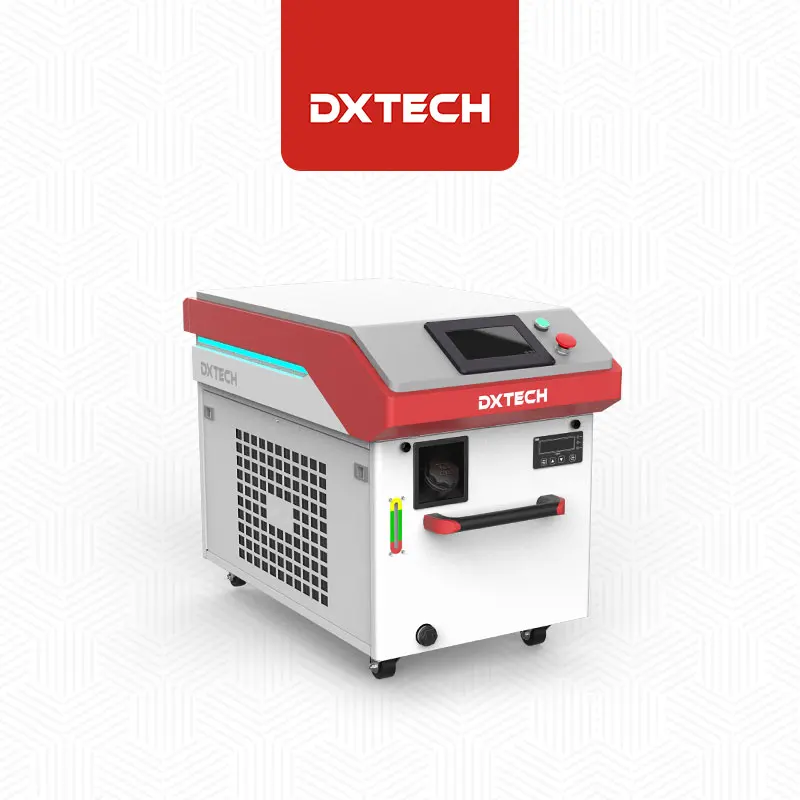
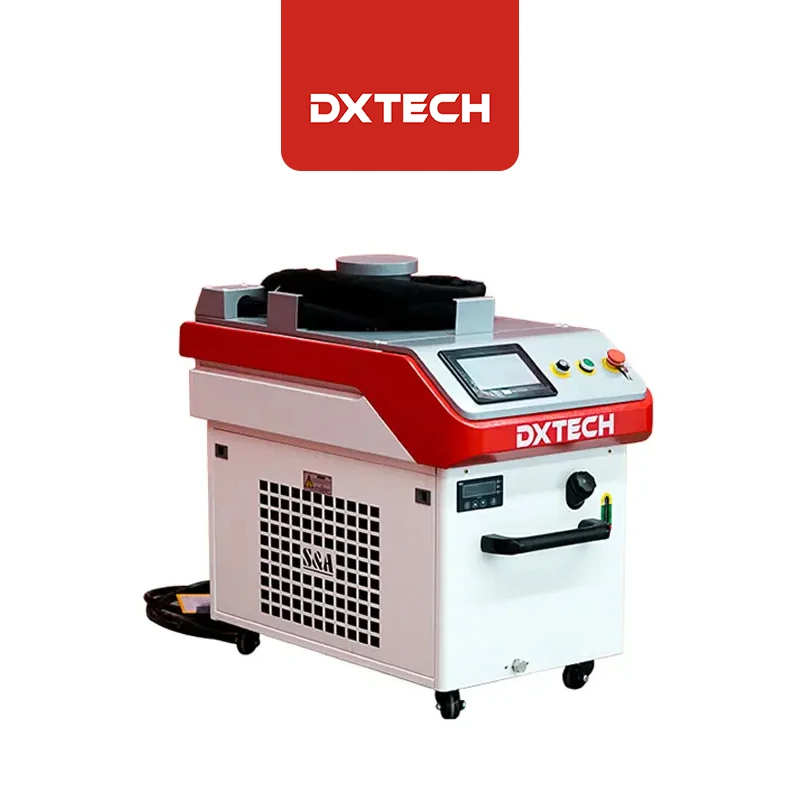
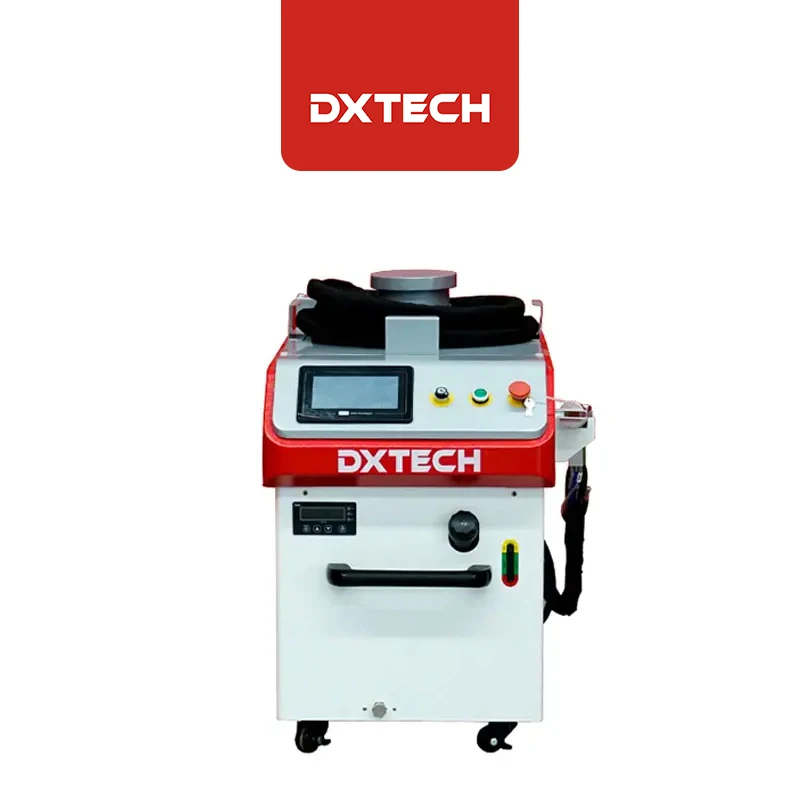
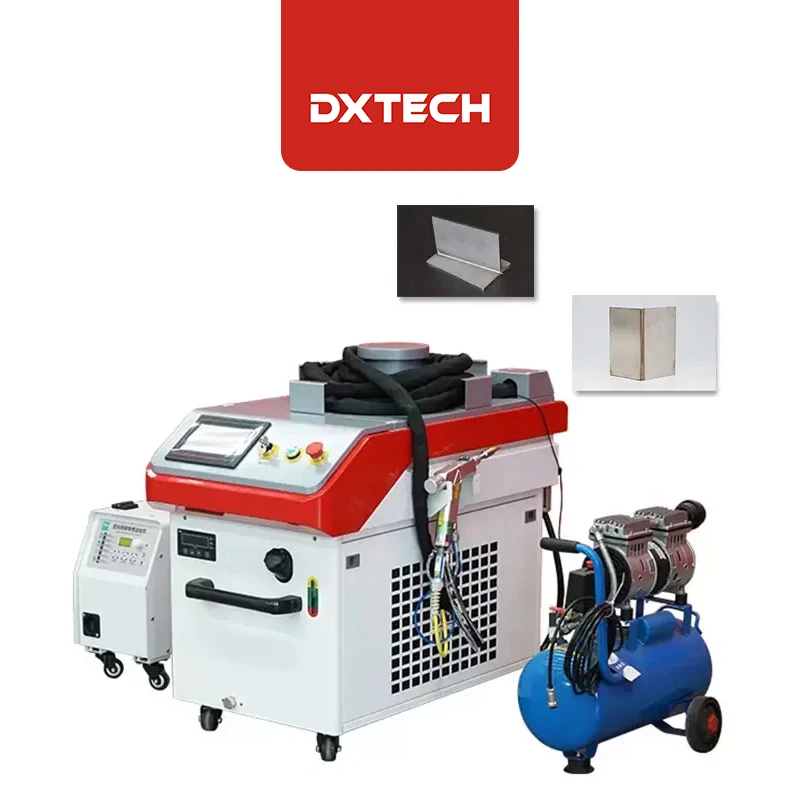
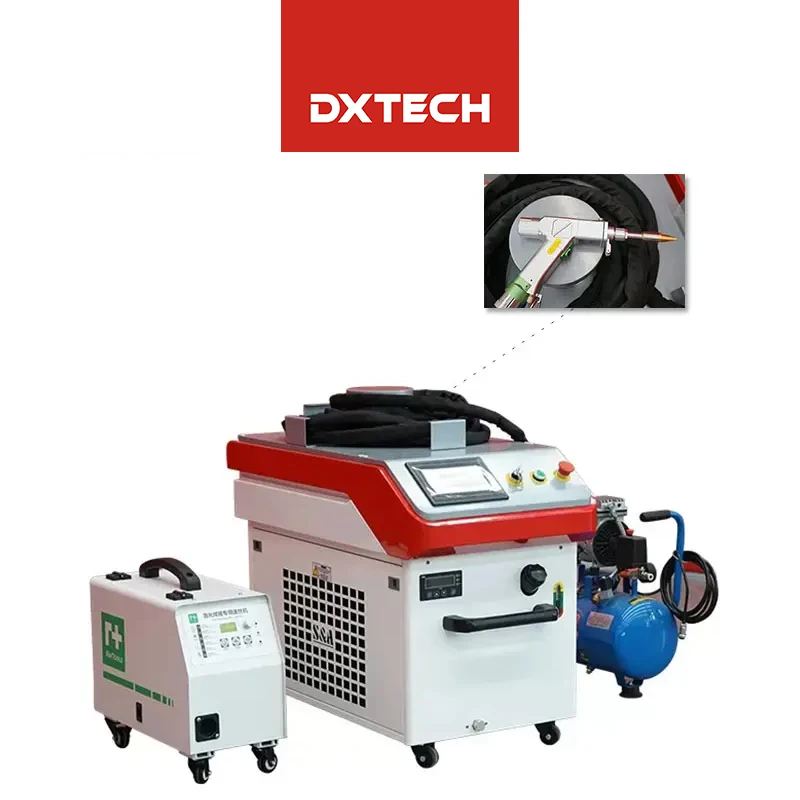
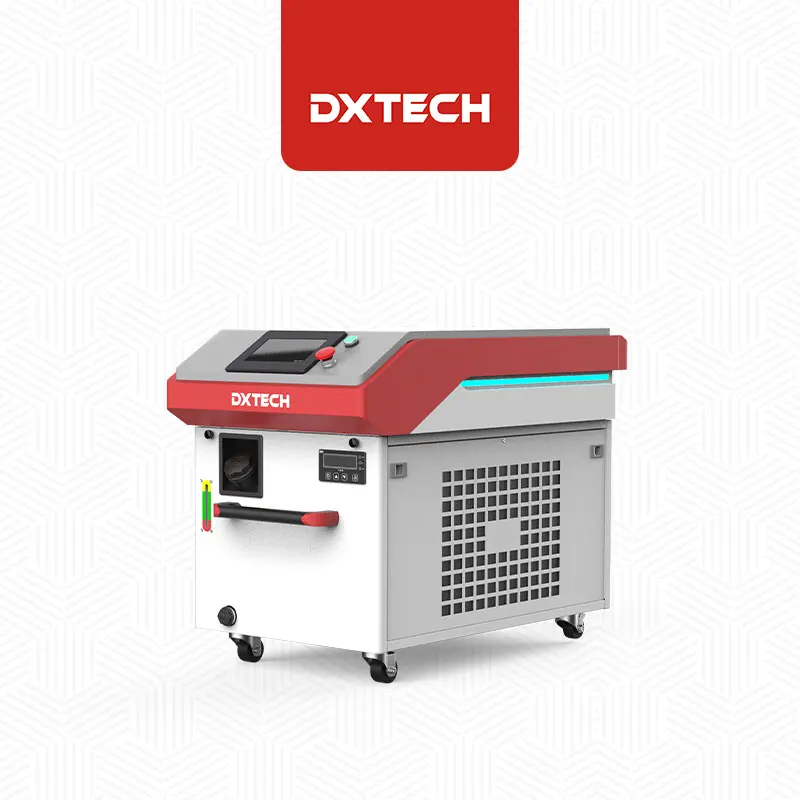
The DXTECH 3000W handheld laser welding machine combines precision, portability, and industrial-grade durability. Designed for steel and iron applications, it offers versatile power configurations (1000W–3000W) and advanced fiber laser technology (1070nm wavelength) for clean, high-quality welds. CE-certified and equipped with a water-cooled system and Cypcut control panel, it ensures reliability in demanding environments.
| Feature | Specification | Application Scenario |
|---|---|---|
| Laser Type | Fiber Laser (1070nm) | Precision welding of thin steel/iron sheets |
| Cooling System | Water Cooling | Continuous operation in high-temperature tasks |
| Control System | Cypcut Touchscreen | Real-time adjustment of power/speed in workshops |
| Laser Source | Raycus Brand | High-power stability for automotive repair |
| Max Output Power | 1000W–3000W | Customizable for varying material thicknesses |
Adjustable parameters include:
Ideal for manufacturers needing flexibility: weld automotive parts, repair machinery components, or clean surfaces with minimal heat distortion. Its compact design suits workshops, while its rugged build withstands harsh industrial environments.
| Parameter | Base Model (1000W) | Advanced Model (2000W) | Pro Model (3000W) |
|---|---|---|---|
| Max Power | 1000W | 2000W (+100% vs Base) | 3000W (+200% vs Base) |
| Duty Cycle | 30% | 50% (+66% efficiency) | 70% (Industry-leading) |
| Portability | Lightweight | Modular attachments | Fully ruggedized |
Technical Breakthroughs:
Version Selection Guide:

The Product Description is generated by third-party, and Alibaba.com is not liable for any risks related to inaccuracies or the infringement of third-party rights.
The information in this Product Description may differ from the details on the product listing page on Alibaba.com. Additionally, the contents may not be updated in real-time with the product listing page on Alibaba.com, and there may be delays in reflecting the most updated information. The description on product listing page takes precedence. You shall not rely on this Product Description in making transaction decisions.
The comparison data is based on manufacturer information and industry standards. Actual results may vary depending on individual use cases. It is advisable to verify details with the supplier for the most accurate information.