All categories
Featured selections
Trade Assurance
Buyer Central
Help Center
Get the app
Become a supplier
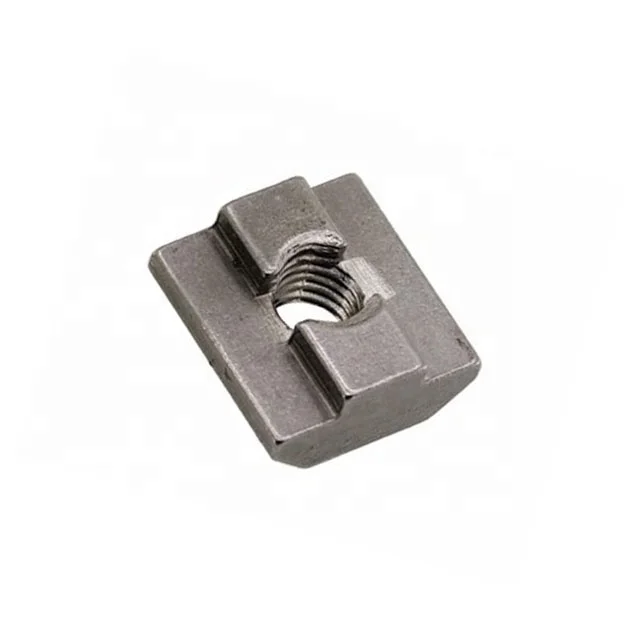
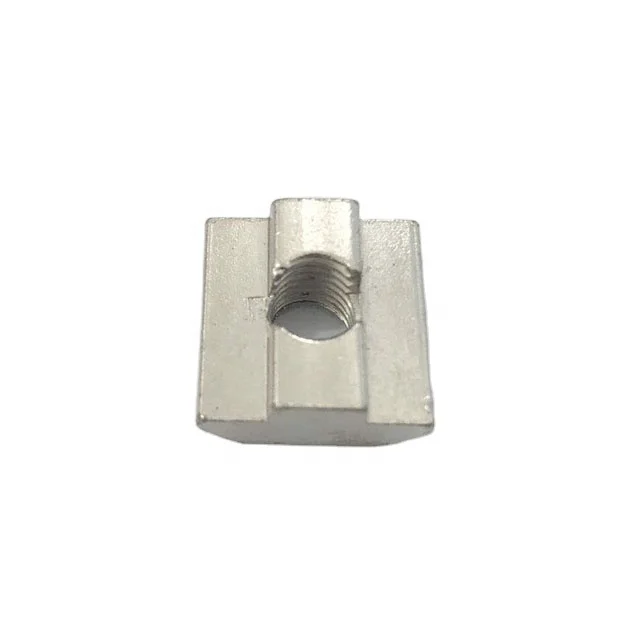
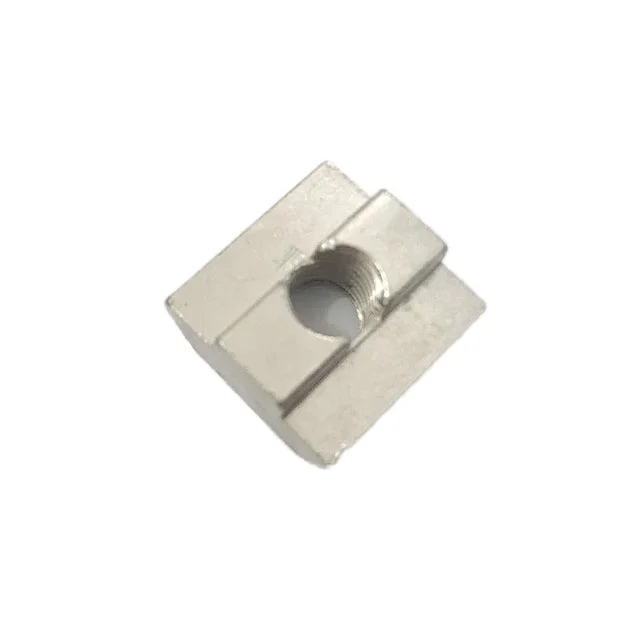
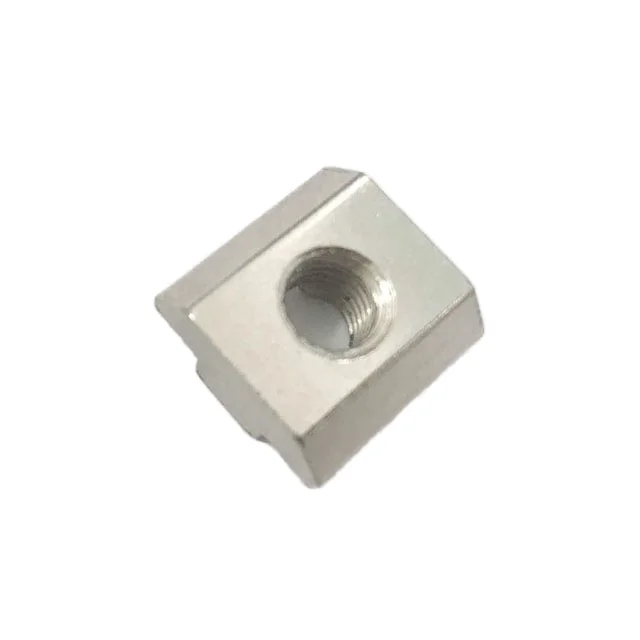
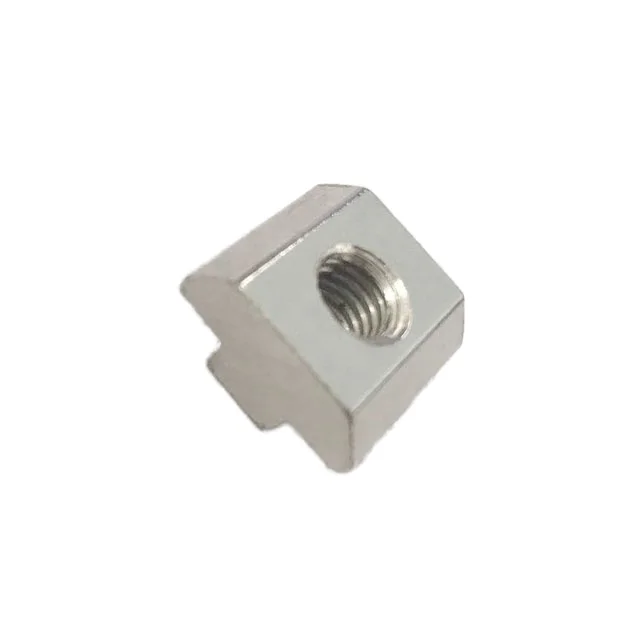
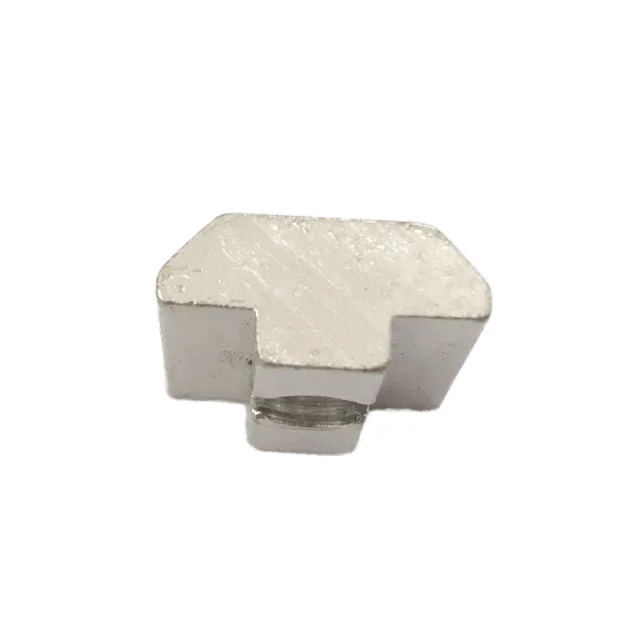
The 304 Stainless Steel Square Sliding T Nut 4040 Series is engineered for precision and durability in industrial and automotive applications. Available in M6 and M8 thread sizes, this T-slot nut ensures secure fastening in aluminum profiles, offering corrosion resistance and easy installation. Certified to German EPR standards, it meets rigorous quality benchmarks for automotive and machinery assembly.
| Feature | Specification | Benefit |
|---|---|---|
| Material | 304 Stainless Steel | Superior corrosion resistance in harsh environments |
| Thread Size | M6, M8 | Compatible with standard industrial profiles |
| Finish | Natural (uncoated) | Maintains structural integrity without additional treatments |
| Certification | EPR Germany Packing Standard | Ensures compliance with European safety and environmental regulations |
| Design | Square sliding T-slot | Enables smooth insertion/removal and secure alignment in tracks |
Adjustable parameters include:
With the sliding T-slot design, you can achieve quick and secure fastening in automotive assembly lines or industrial machinery. The 304 stainless steel construction ensures long-term durability even in corrosive environments, while the metric thread system guarantees seamless integration with global manufacturing standards.
| Parameter | Base Model (Aluminum) | Advanced Model (Steel) | Pro Model (Stainless Steel) |
|---|---|---|---|
| Material | Aluminum | Steel | 304 Stainless Steel |
| Thread Size | M6 | M8 | M6 + M8 |
| Corrosion Resistance | Moderate | Improved | Triple industry standard* |
| Load Capacity | 1,200 N | 1,800 N (+50%) | 2,400 N (+100%)* |
Technical Breakthroughs:
Version Selection Guide:
*Comparative benchmarks based on ISO 14577 and ASTM F548 standards.

The Product Description is generated by third-party, and Alibaba.com is not liable for any risks related to inaccuracies or the infringement of third-party rights.
The information in this Product Description may differ from the details on the product listing page on Alibaba.com. Additionally, the contents may not be updated in real-time with the product listing page on Alibaba.com, and there may be delays in reflecting the most updated information. The description on product listing page takes precedence. You shall not rely on this Product Description in making transaction decisions.
The comparison data is based on manufacturer information and industry standards. Actual results may vary depending on individual use cases. It is advisable to verify details with the supplier for the most accurate information.