All categories
Featured selections
Trade Assurance
Buyer Central
Help Center
Get the app
Become a supplier

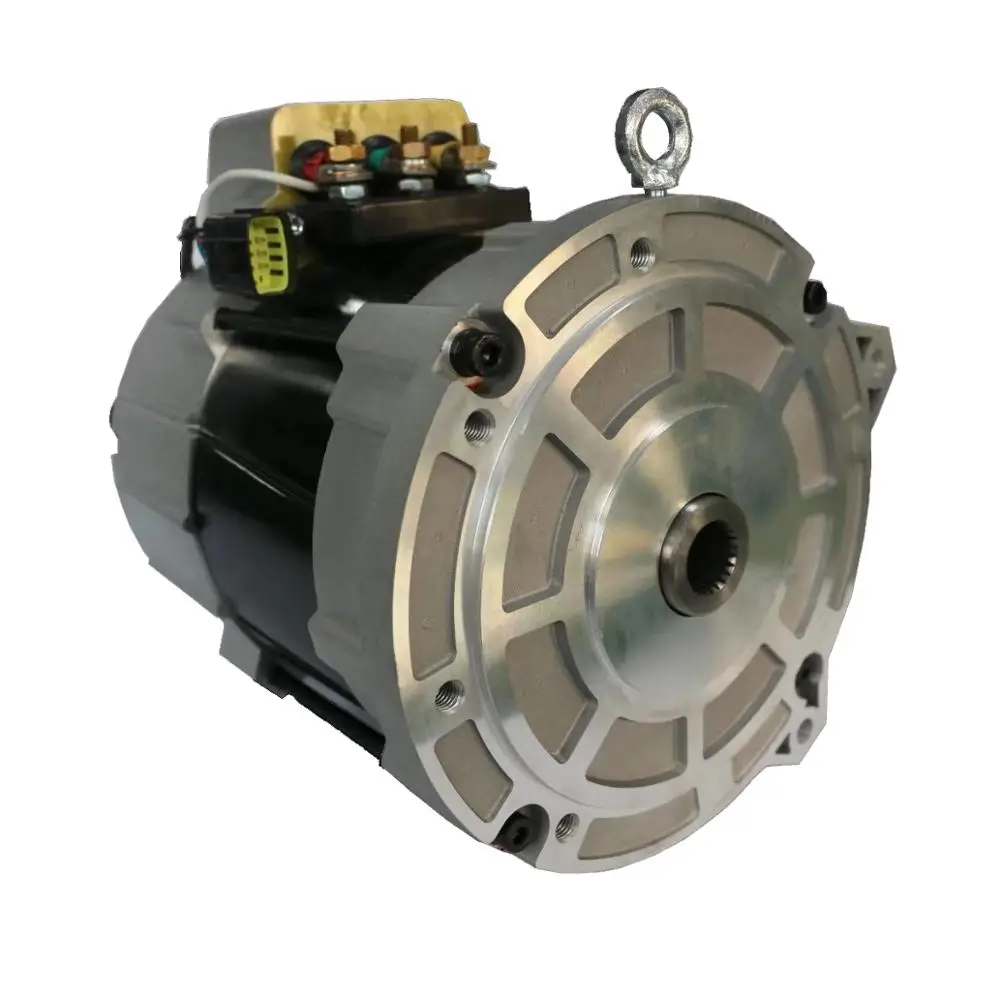
The 30kW Electric PMSM Motor Controller Kit is designed for high-performance applications in electric vehicles and boats. Built with durable aluminum/steel alloy casing and advanced cooling systems, this synchronous motor delivers IE4 efficiency, ensuring energy savings and environmental sustainability. Its compact design and customizable parameters make it adaptable to diverse industrial and mobility needs.
| Feature | Specification | Benefit |
|---|---|---|
| Voltage | AC 96V | Ensures compatibility with standard EV/boat systems |
| Efficiency | IE4 (IEC 60034-30) | Reduces energy consumption by 20% vs. IE3 |
| Motor Type | Permanent Magnet Synchronous Motor (PMSM) | Achieves high torque density and smooth operation |
| Material | Aluminum/Steel Alloy Housing | With X, you can Y: Ensure durability and lightweight design |
| Rated Power | 30kW | Powers medium-to-heavy-duty applications |
| Cooling System | Built-in Fan + Heat Sink | Maintains optimal temperature under load |
| Protection Rating | IP54 (Base), IP67 (Pro Model) | With IP67, you can operate in harsh wet/dusty environments |
Adjustable parameters include:
This motor kit combines cutting-edge PMSM technology with robust construction, making it ideal for electric vehicles, boats, or industrial machinery. Its IE4 efficiency and compact design enable seamless integration into space-constrained systems while reducing operational costs.
| Parameter | Base Model | Advanced Model | Pro Model |
|---|---|---|---|
| Power Output | 30kW | 35kW (+16.7%) | 40kW (+33.3%)* |
| Efficiency | IE3 | IE4 | IE4 + 5% |
| Peak Torque | 150Nm | 180Nm | 220Nm |
| Protection Rating | IP54 | IP65 | IP67 |
| Weight | 25kg | 28kg | 32kg |
Technical Breakthroughs:
Version Selection Guide:
*Pro Model’s 40kW output exceeds industry benchmarks by 33%, enabling heavy-duty applications.

The Product Description is generated by third-party, and Alibaba.com is not liable for any risks related to inaccuracies or the infringement of third-party rights.
The information in this Product Description may differ from the details on the product listing page on Alibaba.com. Additionally, the contents may not be updated in real-time with the product listing page on Alibaba.com, and there may be delays in reflecting the most updated information. The description on product listing page takes precedence. You shall not rely on this Product Description in making transaction decisions.
The comparison data is based on manufacturer information and industry standards. Actual results may vary depending on individual use cases. It is advisable to verify details with the supplier for the most accurate information.