All categories
Featured selections
Trade Assurance
Buyer Central
Help Center
Get the app
Become a supplier
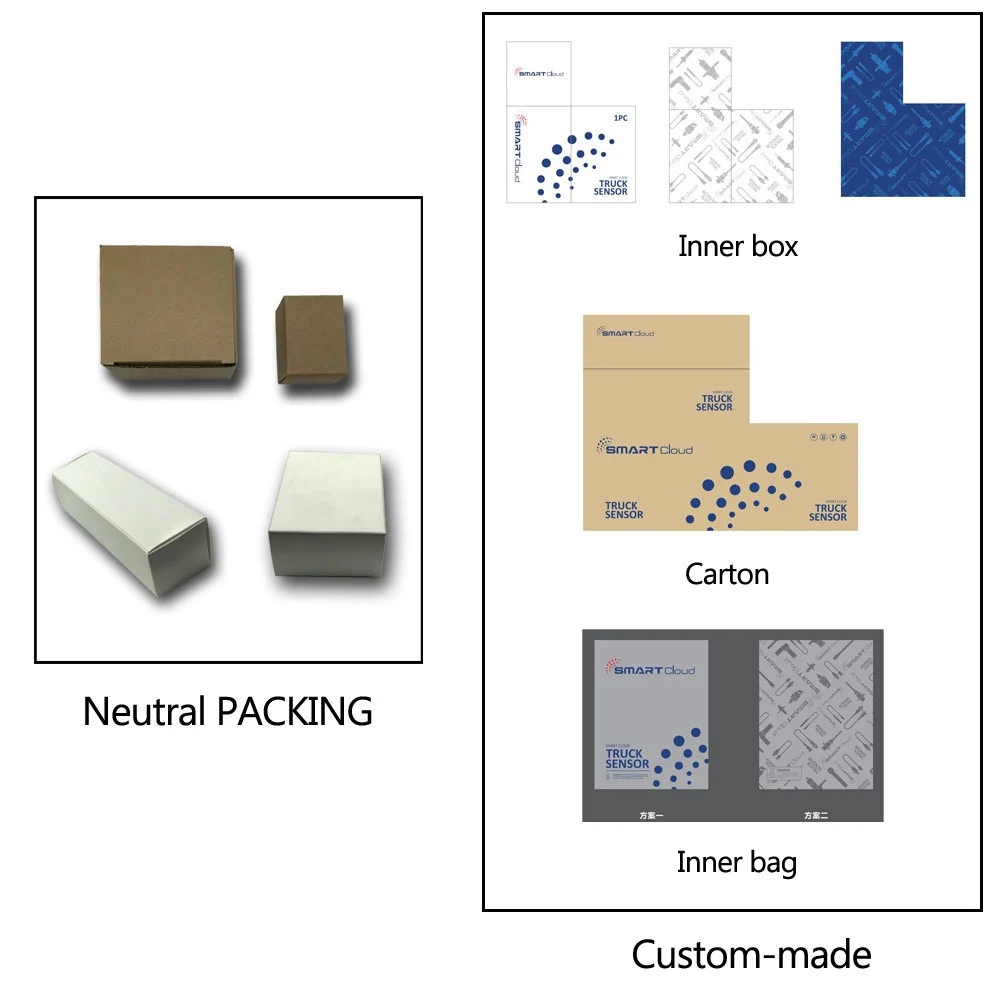
Customization:
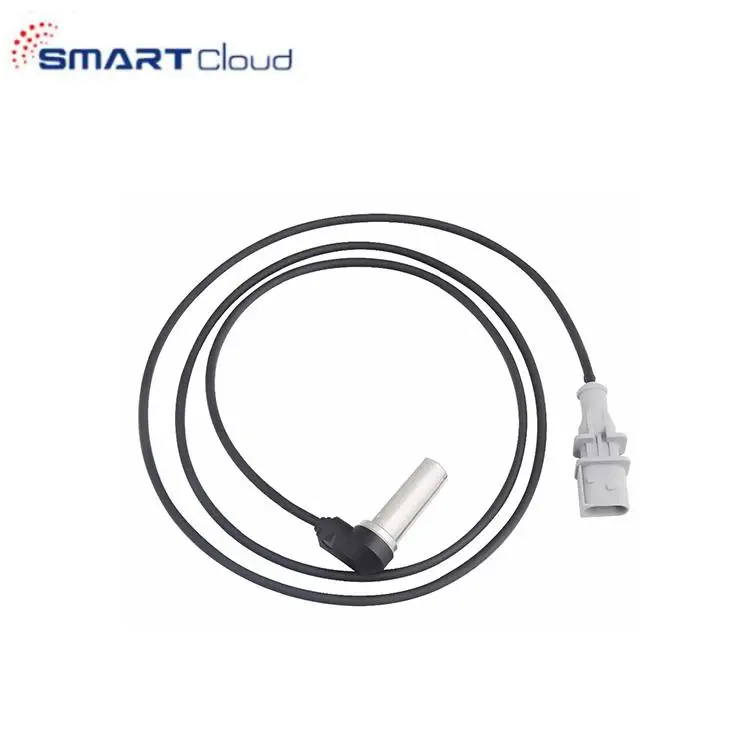
The 4401351470 1870628 ABS Sensor Cable is a durable, automotive-grade solution designed for trucks from manufacturers like Iveco, DAF, Wabco, and White. With a corrosion-resistant stainless steel connector and flexible polymer insulation, it ensures reliable performance across legacy vehicle models (1963–1993). Its coiled design simplifies installation in tight engine compartments while maintaining signal integrity for critical ABS systems.
| Feature | Specification | Benefit |
|---|---|---|
| Material | Stainless steel (connector), high-temperature polymer insulation | Withstands corrosion, extreme temperatures (-40°C to +125°C), and chemical exposure. |
| Compatibility | Fits Iveco/Daf/Wabco/White models: N 2800, CF65, LF 55, XF series, etc. | Direct OEM fitment for 1963–1993 trucks, reducing installation errors. |
| Cable Design | Coiled, 1.5m length, 6mm diameter | Flexible routing minimizes tangling and stress in confined spaces. |
| Certifications | IP67 ingress protection, ISO 6722 compliance | Ensures dust/water resistance and compatibility with global automotive standards. |
Adjustable parameters:
Optimize your vehicle’s ABS system with this rugged sensor cable. Its corrosion-resistant design and precise OEM compatibility make it ideal for restoring classic trucks or retrofitting older models with modern safety systems.
| Parameter | Base Model | Advanced Model | Pro Model |
|---|---|---|---|
| Temperature Range | -40°C to +105°C | -40°C to +120°C | -40°C to +125°C* |
| Flexibility | 1.5m coiled | 2m coiled (+33% reach) | 3m coiled (+100% reach) |
| Chemical Resistance | Standard polymers | Fluoropolymer coating (+20% oil resistance) | Teflon coating (+40% chemical resistance)* |
Three Breakthroughs:
Version Selection Guide:
With the Pro Model’s Teflon coating, you can safely handle transmission fluid spills while maintaining signal accuracy. Pair its extended temperature range with the coiled design to navigate tight engine compartments effortlessly.

The Product Description is generated by third-party, and Alibaba.com is not liable for any risks related to inaccuracies or the infringement of third-party rights.
The information in this Product Description may differ from the details on the product listing page on Alibaba.com. Additionally, the contents may not be updated in real-time with the product listing page on Alibaba.com, and there may be delays in reflecting the most updated information. The description on product listing page takes precedence. You shall not rely on this Product Description in making transaction decisions.
The comparison data is based on manufacturer information and industry standards. Actual results may vary depending on individual use cases. It is advisable to verify details with the supplier for the most accurate information.