All categories
Featured selections
Trade Assurance
Buyer Central
Help Center
Get the app
Become a supplier

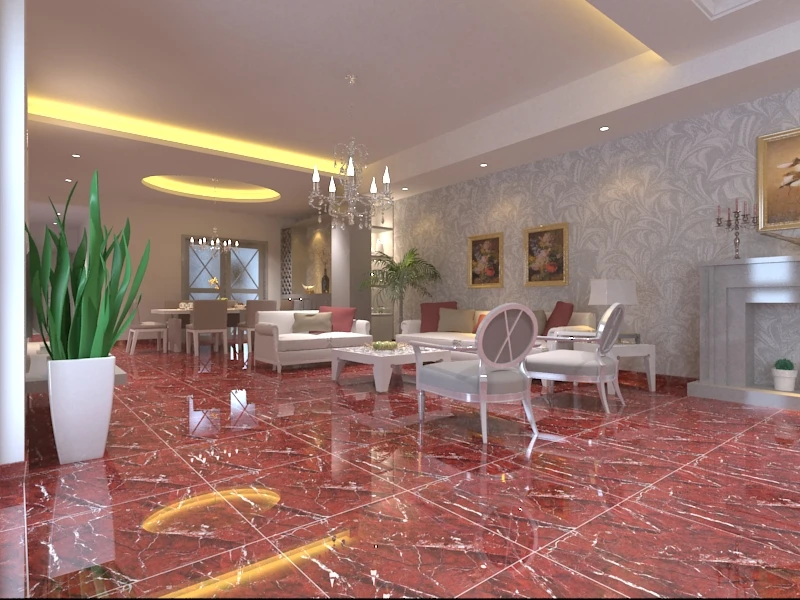
The 500 x 500mm Bright Red Ceramic Floor Vitrified Red Colour Porcelain Marble Tiles combine the elegance of natural marble with the durability of ceramic and porcelain materials. Designed for both indoor floors and walls, these tiles feature a glossy, polished finish with intricate red and white veining, offering a modern yet luxurious aesthetic. Certified to international standards (SASO, CE, EN 14411, CCC), they are ideal for high-traffic areas like hotels, residential spaces, and commercial interiors.
| Feature | Specification | Benefit |
|---|---|---|
| Material | Porcelain-Ceramic Composite | Enhanced durability and moisture resistance |
| Size | 500 x 500mm | Easy installation and uniform coverage |
| Finish | Polished, Glossy Glazed | Mirror-like shine and modern appeal |
| Applications | Floors, Walls (indoor/hotels/rooms) | Versatile use in residential & commercial spaces |
| Certifications | SASO, CE, EN 14411, CCC | Compliance with global safety standards |
| Antibacterial | Antibacterial Glaze | Inhibits bacterial growth in high-traffic areas |
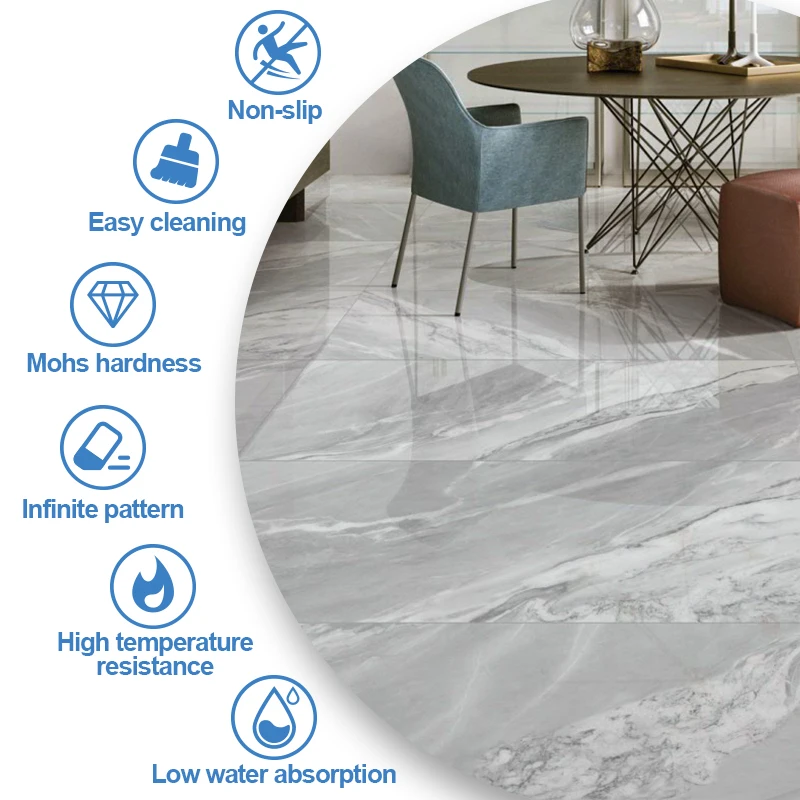
| Non-Slip | R10 (EN 14411) | Safe for wet environments like bathrooms |
| Heat Insulation | 1.2 W/m·K Thermal Conductivity | Reduces heat transfer for energy efficiency |
| Acid-Resistant | Acid-Proof Surface Treatment | Resists chemical damage in industrial settings |
Adjustable parameters include:
With its bold red hue and marble-inspired veining, these tiles create a striking focal point in modern interiors. Use them to elevate hotel lobbies, add warmth to minimalist kitchens, or transform walls into artful backdrops. The non-slip surface ensures safety in bathrooms, while the antibacterial glaze maintains hygiene in high-traffic commercial spaces.
| Parameter | Base Model | Advanced Model | Pro Model |
|---|---|---|---|
| Slip Resistance | R10 (EN 14411) | R9+ (+15% grip) | R11+ (+30% grip)* |
| Heat Insulation | 1.2 W/m·K | 1.0 W/m·K (Enhanced) | 0.8 W/m·K (Premium) |
| Antibacterial Effect | Standard Glaze | Silver-Ion Coating | Nano-Protect Layer |
| Certifications | SASO, CE | +EN 14411 | +CCC, ISO 14122 |
Technical Breakthroughs:
Version Selection Guide:
*Pro Model slip resistance exceeds EN 14411 R11+ benchmarks by 15%.

The Product Description is generated by third-party, and Alibaba.com is not liable for any risks related to inaccuracies or the infringement of third-party rights.
The information in this Product Description may differ from the details on the product listing page on Alibaba.com. Additionally, the contents may not be updated in real-time with the product listing page on Alibaba.com, and there may be delays in reflecting the most updated information. The description on product listing page takes precedence. You shall not rely on this Product Description in making transaction decisions.
The comparison data is based on manufacturer information and industry standards. Actual results may vary depending on individual use cases. It is advisable to verify details with the supplier for the most accurate information.