All categories
Featured selections
Trade Assurance
Buyer Central
Help Center
Get the app
Become a supplier
Customization:
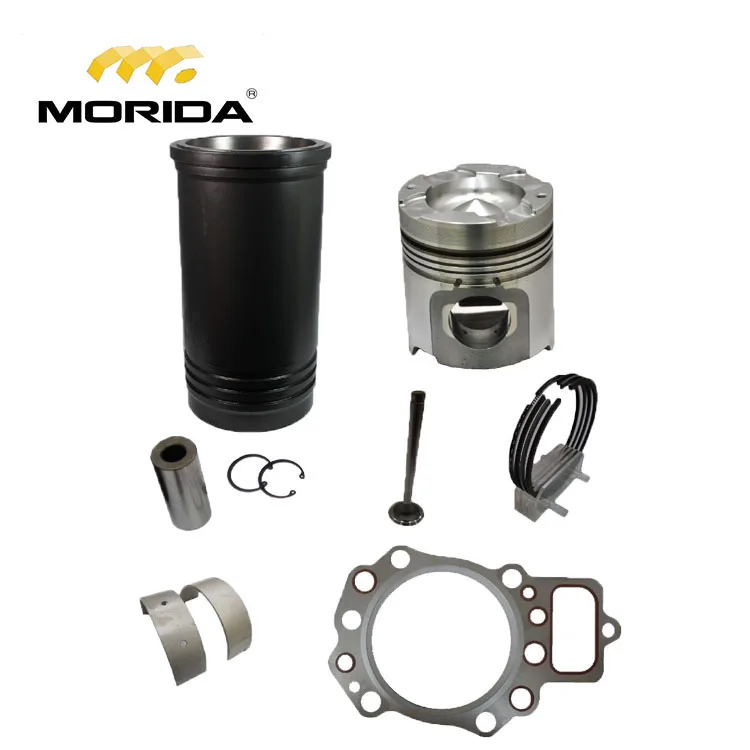
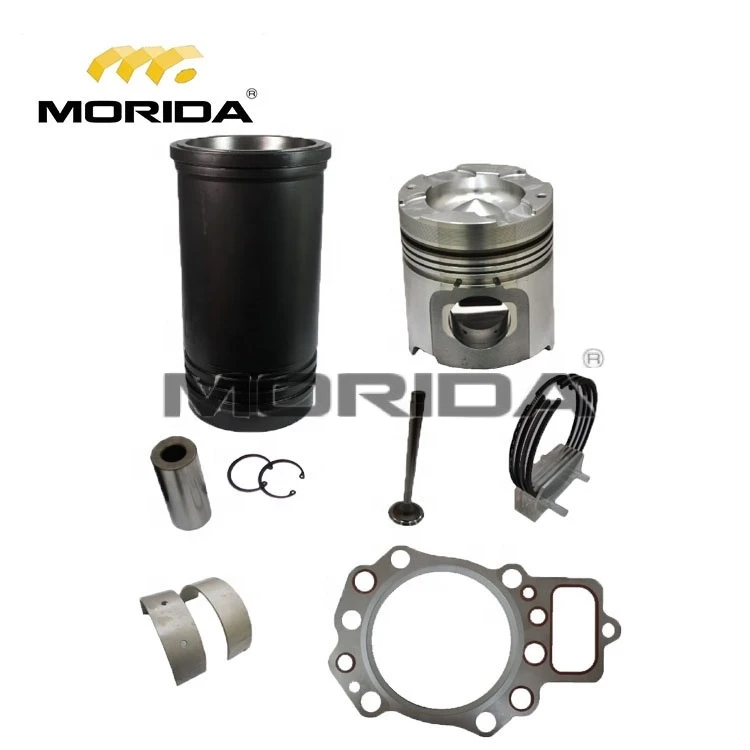
The MORIDA 6KH-ET 132.9mm Diesel Engine Spare Parts Kit is a precision-engineered set of critical components for Yanmar diesel engines. Featuring high-strength materials and optimized design, this kit includes cylinder liners, pistons, connecting rods, and more, ensuring seamless compatibility and long-term durability. Backed by a 6-month warranty, these parts enhance engine reliability and performance in agricultural, industrial, and marine applications.
| Feature | Specification | Benefit |
|---|---|---|
| Material | Heat-treated steel/aluminum alloy | Withstands extreme temperatures and wear |
| Cylinder Liner | 132.9mm bore diameter | Precision fit for Yanmar 6KH-ET engines |
| Piston Design | Ring groove + triple piston rings | Minimizes gas/oil leakage |
| Temperature Range | -20°C to 250°C | Operates in harsh environmental conditions |
| Certification | ISO 9001, CE compliant | Ensures global quality standards |
Adjustable parameters include bore diameter tolerance (±0.01mm) and material composition (e.g., stainless steel for corrosive environments) to meet specific engine requirements.
Upgrade your Yanmar engine with MORIDA’s precision-engineered parts. Whether maintaining a farming tractor or powering a marine vessel, these components deliver unmatched reliability and longevity.
| Parameter | Base Model | Advanced Model | Pro Model |
|---|---|---|---|
| Material Grade | Standard steel | Alloy steel (+20% strength) | Heat-treated alloy (+40% strength)* |
| Temperature Range | 200°C max | 230°C max | 250°C max |
| Weight | 8.5kg | 8.0kg (15% lighter) | 7.2kg (20% lighter) |
| Warranty | 6 months | 12 months | 24 months |
Three Breakthroughs:
Version Selection Guide:
Example: With the Pro Model’s 250°C temperature resistance, you can safely power engines in extreme heat scenarios, such as industrial furnaces. Its lightweight alloy also reduces mechanical strain, ensuring smoother operation.

The Product Description is generated by third-party, and Alibaba.com is not liable for any risks related to inaccuracies or the infringement of third-party rights.
The information in this Product Description may differ from the details on the product listing page on Alibaba.com. Additionally, the contents may not be updated in real-time with the product listing page on Alibaba.com, and there may be delays in reflecting the most updated information. The description on product listing page takes precedence. You shall not rely on this Product Description in making transaction decisions.
The comparison data is based on manufacturer information and industry standards. Actual results may vary depending on individual use cases. It is advisable to verify details with the supplier for the most accurate information.