All categories
Featured selections
Trade Assurance
Buyer Central
Help Center
Get the app
Become a supplier
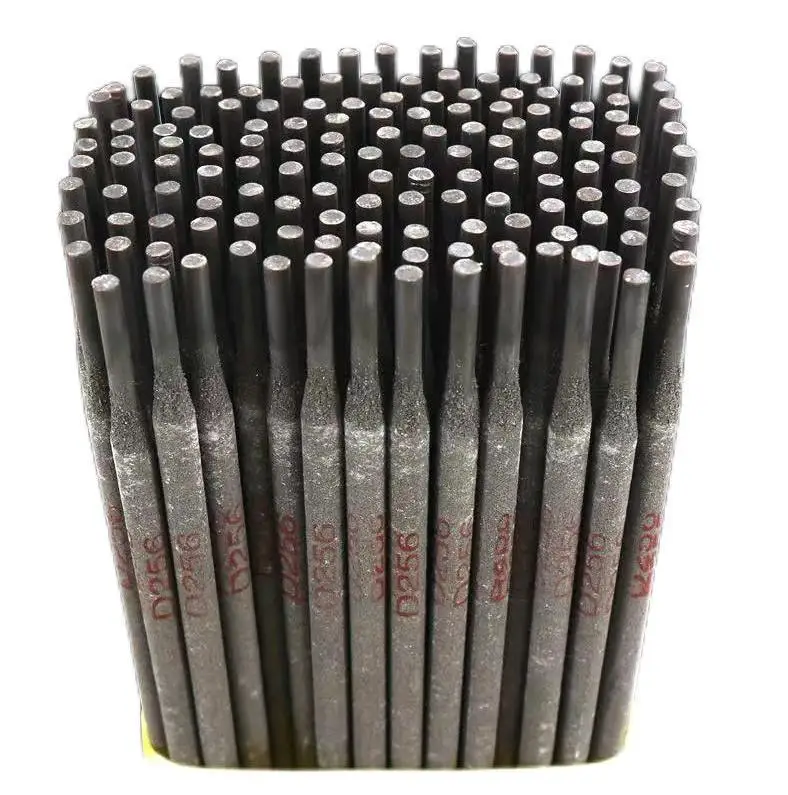
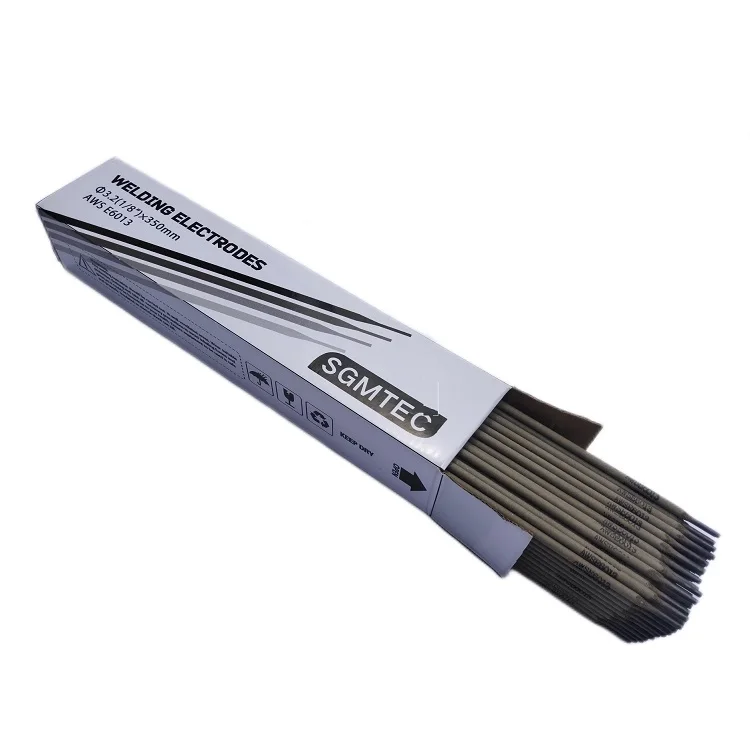
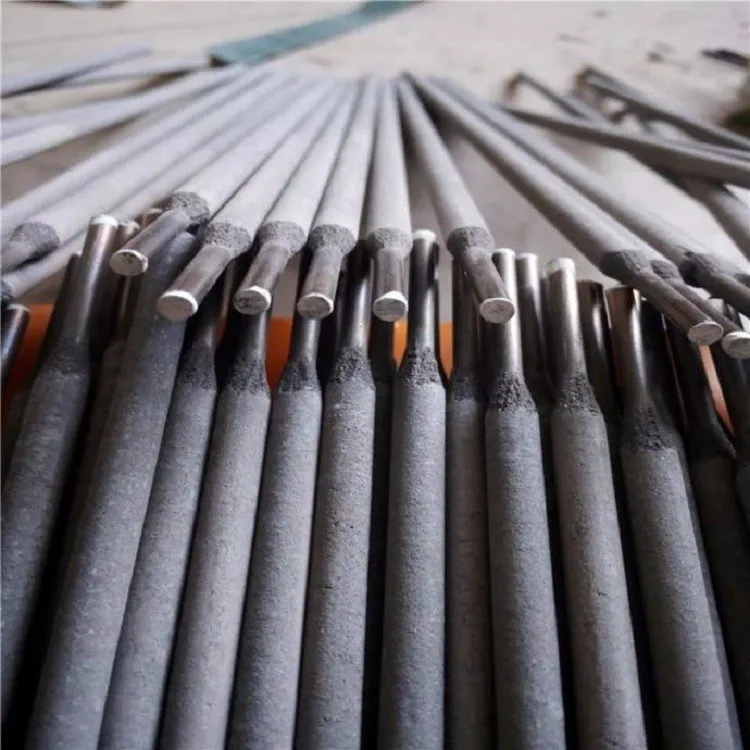
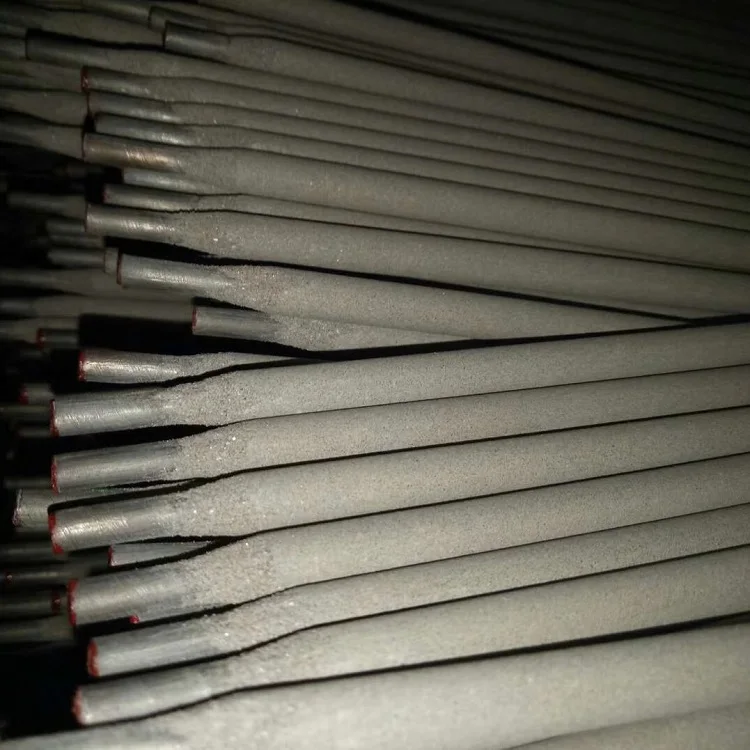
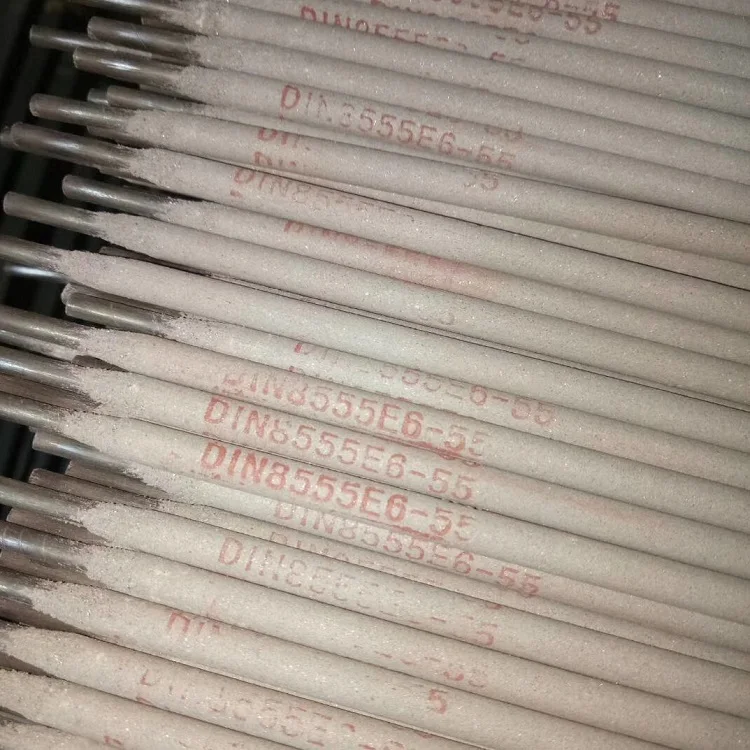
The AWS EFeMn-A EFeMn-B High Manganese Steel Hardfacing Welding Electrodes are designed for durable hardfacing applications, offering exceptional wear resistance and versatility. Available in 2.5mm and 5.0mm diameters, they support AC/DC operation and are ideal for reinforcing machinery parts, mining equipment, and other wear-prone components.
| Feature | Specification | Benefit |
|---|---|---|
| Material | High manganese alloy steel | Enhanced wear resistance and hardness |
| Diameter Options | 2.5mm, 5.0mm | Versatile for precise or heavy-duty welding |
| Operating Current | AC/DC (20–250A) | Flexible compatibility with standard welders |
| Application | Hardfacing on mild steel, cast iron | Protects surfaces against abrasion and impact |
Adjustable parameters include diameter (2.5mm or 5.0mm) and packaging quantity to meet project-specific needs. For specialized applications, consult SGMTEC for custom alloy blends or length adjustments.
With high manganese content, you can achieve a wear-resistant overlay on machinery parts. Whether reinforcing crusher jaws or conveyor components, these electrodes deliver consistent performance in harsh environments.
| Parameter | Base Model (2.5mm) | Advanced Model (5.0mm) | Pro Model (Custom Alloy) |
|---|---|---|---|
| Diameter (mm) | 2.5 | 5.0 | Customizable* |
| Manganese Content | 12% | 15% | 18%* |
| Current Range (A) | 20–120 | 40–200 | 60–250* |
| Primary Use | Small machinery parts | Heavy equipment | Extreme wear applications |
Technical Breakthroughs:
Version Selection Guide:

The Product Description is generated by third-party, and Alibaba.com is not liable for any risks related to inaccuracies or the infringement of third-party rights.
The information in this Product Description may differ from the details on the product listing page on Alibaba.com. Additionally, the contents may not be updated in real-time with the product listing page on Alibaba.com, and there may be delays in reflecting the most updated information. The description on product listing page takes precedence. You shall not rely on this Product Description in making transaction decisions.
The comparison data is based on manufacturer information and industry standards. Actual results may vary depending on individual use cases. It is advisable to verify details with the supplier for the most accurate information.