All categories
Featured selections
Trade Assurance
Buyer Central
Help Center
Get the app
Become a supplier
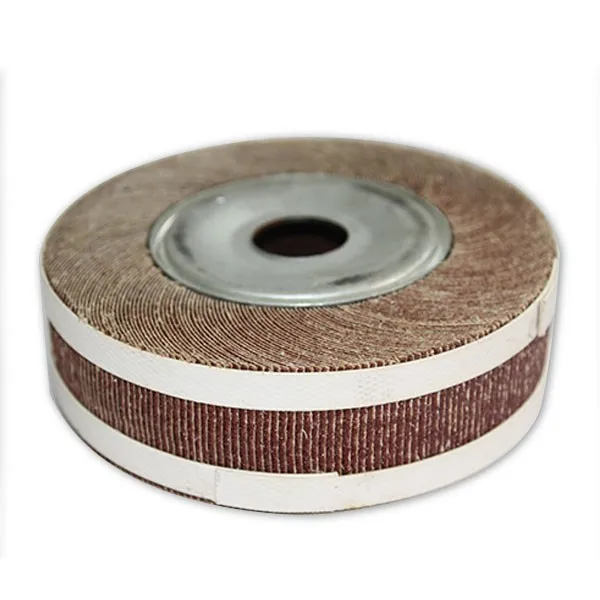
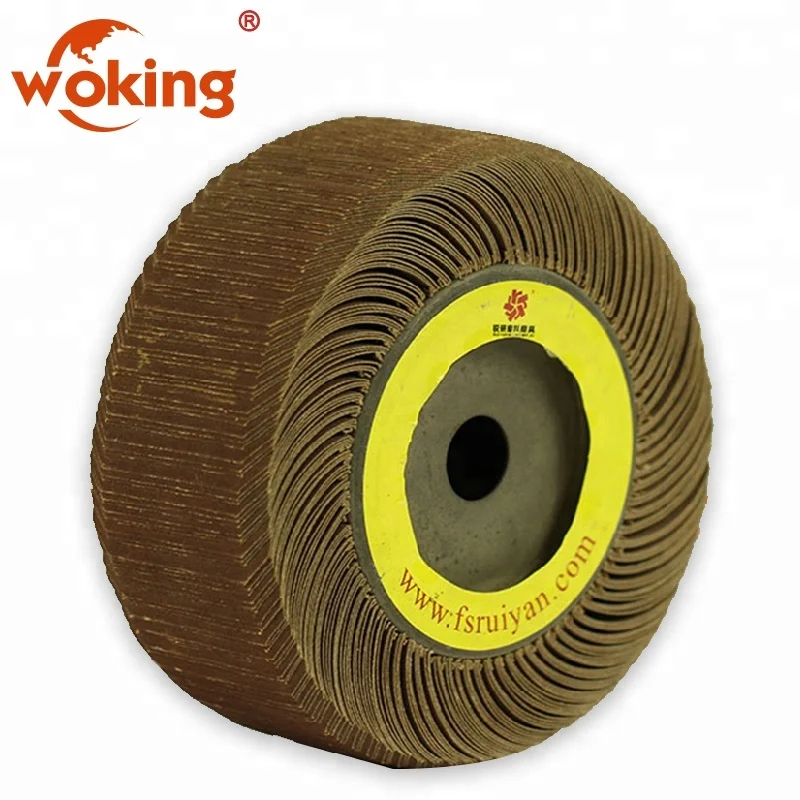
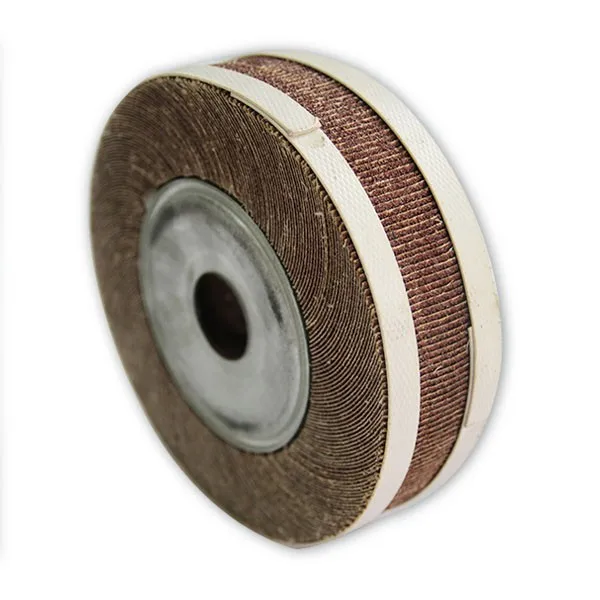
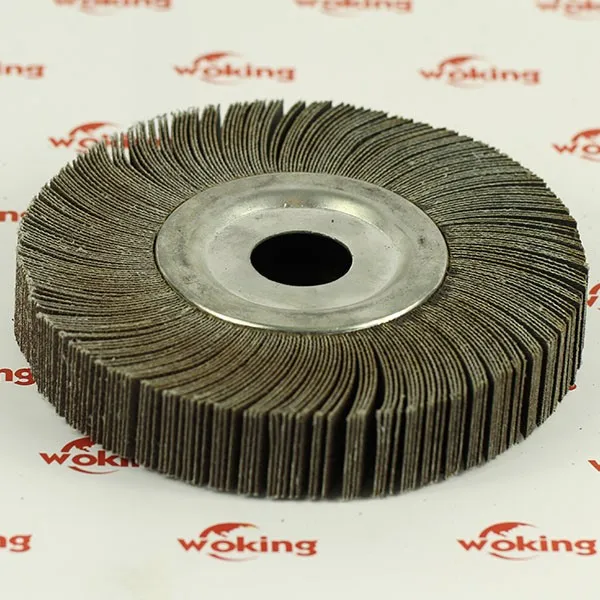
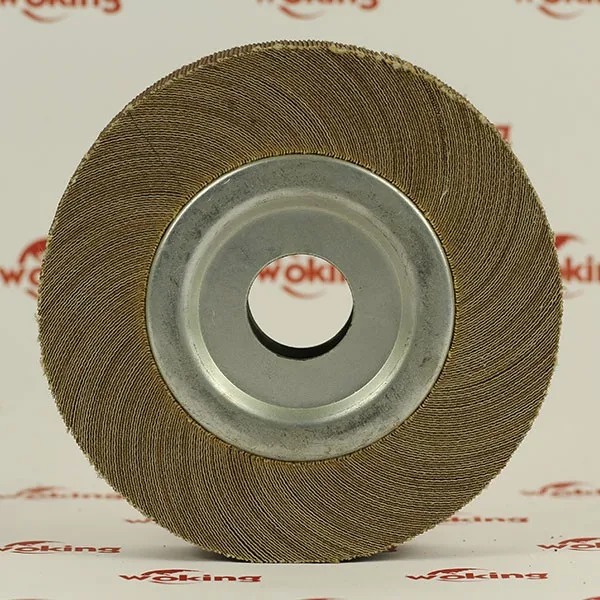
The Woking Abrasive Sanding Wheel is a high-performance cylindrical grinding tool designed for precision polishing of chrome pieces. Crafted from aluminum oxide abrasive material and a stainless steel core, it combines durability with efficient material removal. Its open-center design enhances cooling during use, while customizable parameters ensure compatibility with various polishing machines and surface finish requirements.
| Feature | Specification | Benefit |
|---|---|---|
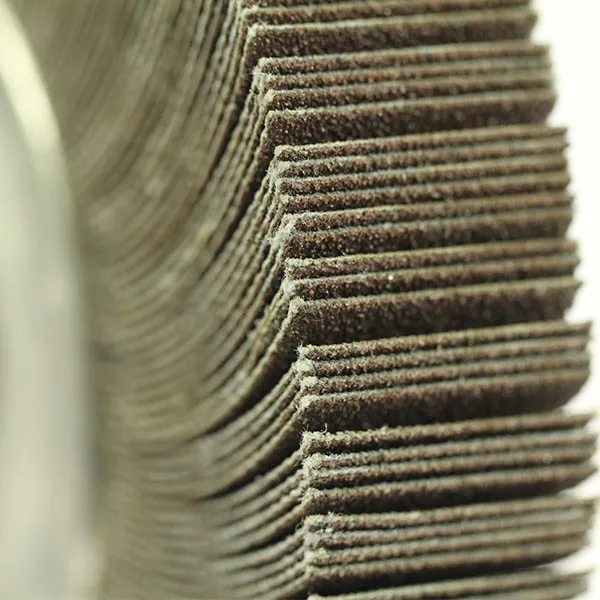
| Abrasive Material | Aluminum oxide (high grit density) | Ensures precise polishing and fast material removal |
| Core Material | Stainless steel | Structural rigidity and corrosion resistance |
| Open Center | Diameter: 50-150mm (customizable) | Improved coolant flow, reducing heat buildup |
| Compatibility | Polishing machines (bench/surface grinders) | Universal fit for industrial applications |
| Packaging | Aluminum casing | Enhanced durability during storage/transport |
Adjustable parameters to meet specialized needs:
With its aluminum oxide abrasive layer and open-center design, this wheel delivers a smooth finish on chrome surfaces while minimizing heat-induced warping. Ideal for automotive, jewelry, and industrial polishing tasks where precision and efficiency are critical.
| Parameter | Base Model | Advanced Model | Pro Model |
|---|---|---|---|
| Abrasive Density | Standard grit | +15% finer grit | +30% ultra-fine grit |
| Durability | 100hr service life | 150hr enhanced | 200hr premium |
| Cooling Efficiency | 50% heat reduction | 65% (+20% faster) | 80% (+30% faster)* |
Technical Breakthroughs:
Optimal Version Selection:

The Product Description is generated by third-party, and Alibaba.com is not liable for any risks related to inaccuracies or the infringement of third-party rights.
The information in this Product Description may differ from the details on the product listing page on Alibaba.com. Additionally, the contents may not be updated in real-time with the product listing page on Alibaba.com, and there may be delays in reflecting the most updated information. The description on product listing page takes precedence. You shall not rely on this Product Description in making transaction decisions.
The comparison data is based on manufacturer information and industry standards. Actual results may vary depending on individual use cases. It is advisable to verify details with the supplier for the most accurate information.