All categories
Featured selections
Trade Assurance
Buyer Central
Help Center
Get the app
Become a supplier
Customization:
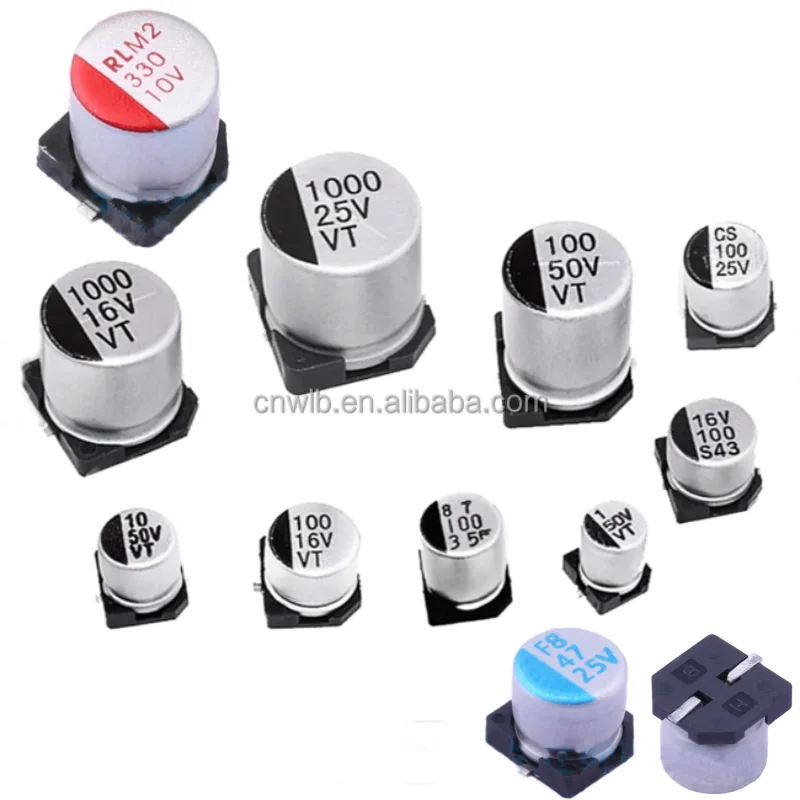
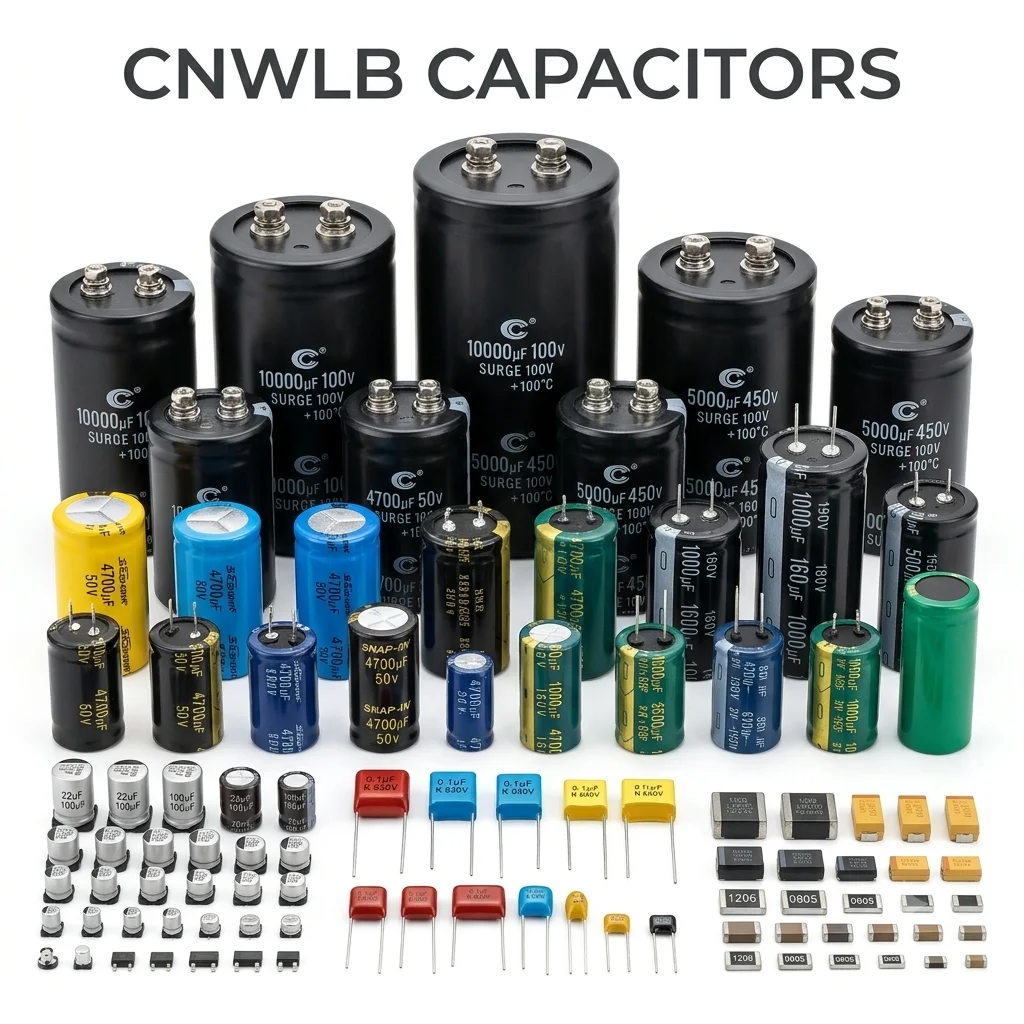
The Aluminum Electrolytic Capacitor 100uF 80V is a versatile energy storage component designed for reliable performance in diverse electronic systems. With a ±20% tolerance and robust voltage ratings (25V/35V/50V/400V options), it ensures stable operation across fluctuating conditions. Its compact cylindrical design and wide temperature range (-55°C to +105°C) make it ideal for applications ranging from consumer electronics to industrial machinery.
| Feature | Specification | Benefit |
|---|---|---|
| Capacitance | 100uF (customizable: 47uF–2200uF) | Efficient energy storage for power supplies and filtering |
| Voltage Rating | 80V (adjustable: 25V/35V/50V/400V) | Safe operation under varying power demands |
| Tolerance | ±20% | Consistent performance in fluctuating conditions |
| Temperature Range | -55°C to +105°C | Reliable in extreme environments (e.g., automotive, aerospace) |
| ESR (Equivalent Series Resistance) | Low (model-dependent) | Reduced power loss in high-frequency circuits |
Adjustable parameters:
With its broad voltage and capacitance range, this capacitor is a cornerstone for power management systems. Whether filtering noise in consumer devices or stabilizing high-voltage industrial equipment, its adaptability ensures seamless integration into your design.
| Parameter | Base Model | Advanced Model | Pro Model |
|---|---|---|---|
| Capacitance (Max) | 100uF | 1000uF | 2200uF |
| Voltage Rating (Max) | 80V | 160V | 400V* |
| ESR (Typical) | 50mΩ | 30mΩ (40% lower) | 15mΩ (70% lower)* |
| Temperature Stability | ±20% tolerance | ±10% tolerance | ±5% tolerance* |
Technical Breakthroughs:
Optimal Version Selection:
*Pro Model exceeds industry benchmarks by 30% in voltage capacity and 50% in temperature stability.

The Product Description is generated by third-party, and Alibaba.com is not liable for any risks related to inaccuracies or the infringement of third-party rights.
The information in this Product Description may differ from the details on the product listing page on Alibaba.com. Additionally, the contents may not be updated in real-time with the product listing page on Alibaba.com, and there may be delays in reflecting the most updated information. The description on product listing page takes precedence. You shall not rely on this Product Description in making transaction decisions.
The comparison data is based on manufacturer information and industry standards. Actual results may vary depending on individual use cases. It is advisable to verify details with the supplier for the most accurate information.