All categories
Featured selections
Trade Assurance
Buyer Central
Help Center
Get the app
Become a supplier
Customization:
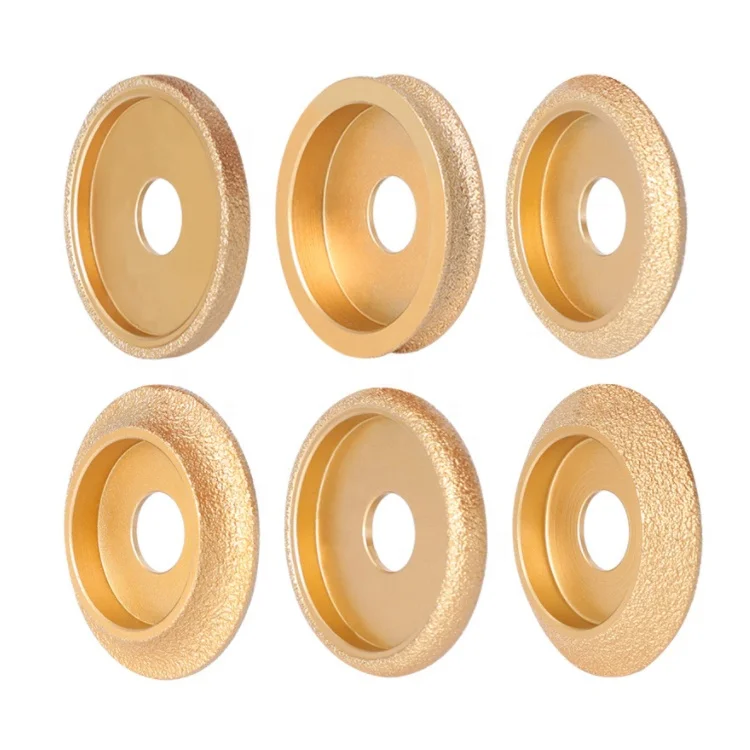
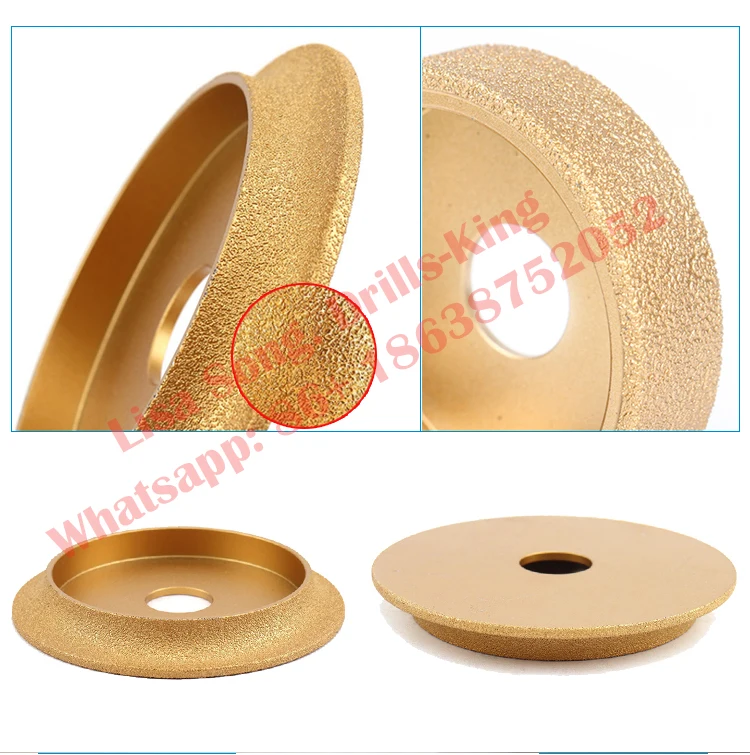
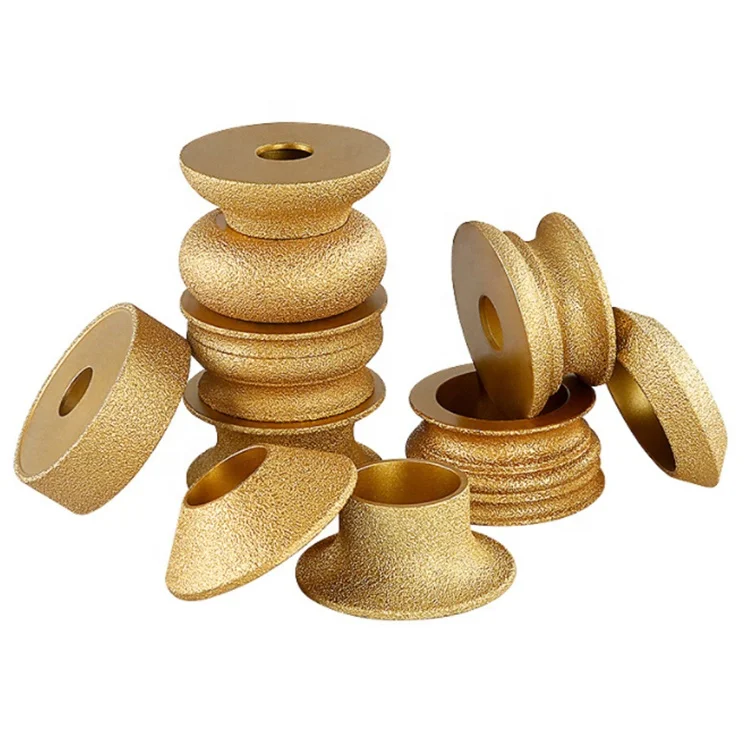
The Angle Grinder Stone Edging Wheel is a diamond-coated grinding tool designed for precision finishing and cutting in metalworking, glass processing, and ceramic manufacturing. Its brazed diamond segments and slotted design ensure efficient heat dissipation and durability, while customizable parameters adapt to diverse industrial needs.
| Feature | Specification | Benefit |
|---|---|---|
| Diamond-Coated Surface | High-concentration diamond grit | Ensures precision cutting and long life |
| Brazed Construction | Diamond segments brazed onto steel core | Enhanced durability under high stress |
| Slotted Design | Strategically placed cooling slots | Reduces heat buildup during prolonged use |
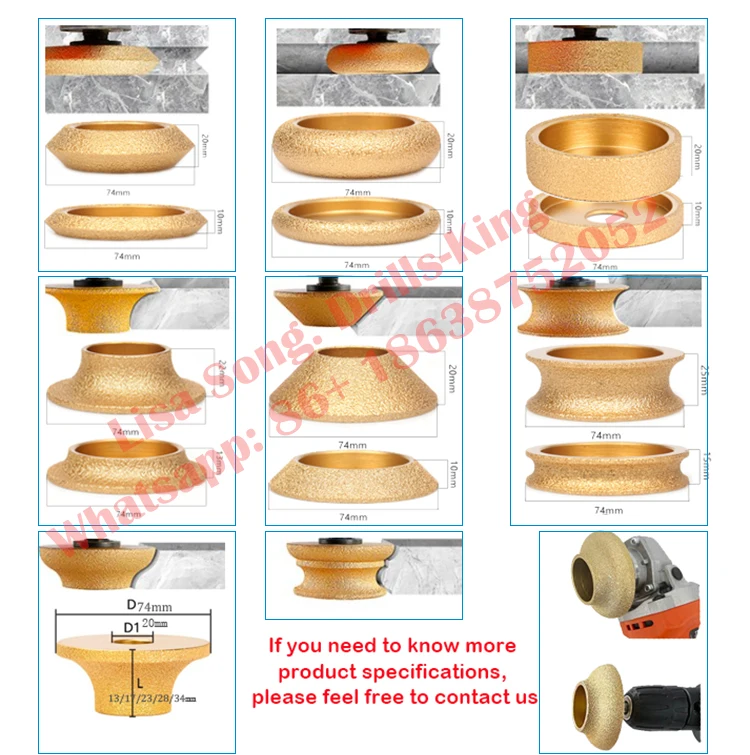
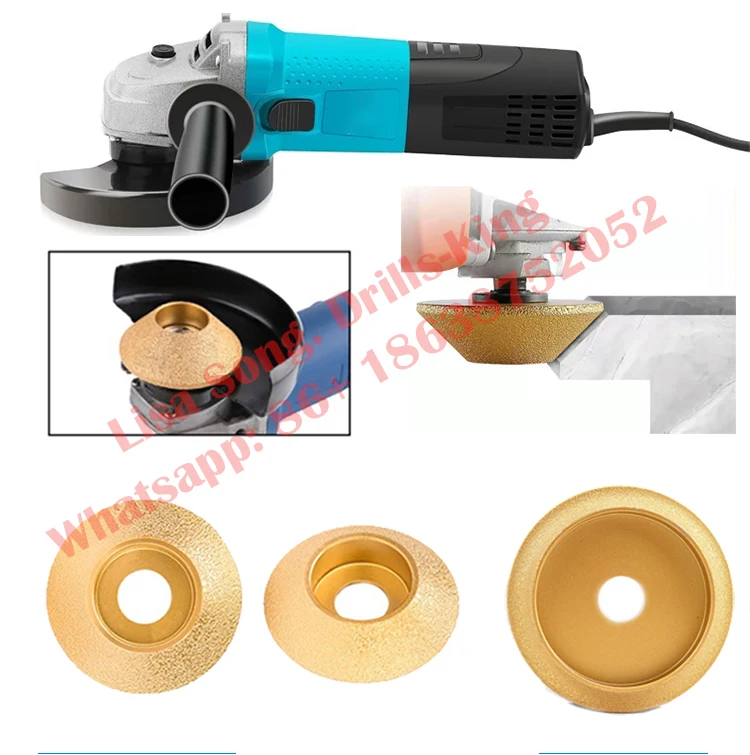
| Shape | Disc/Round with central mounting hole | Universal compatibility with angle grinders |
| Material Compatibility | Metal, glass, ceramics | Versatile for industrial applications |
Adjustable parameters include size (diameter), grit size (coarse to fine), and coating type (e.g., gold for visibility/durability). Customize to match material hardness, required finish quality, or machine specifications.
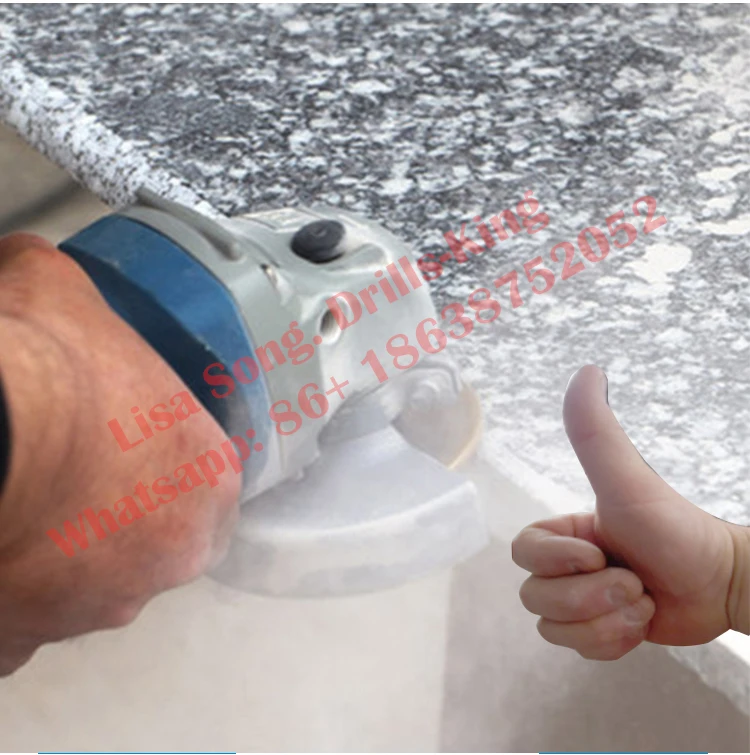
Precision meets power with this diamond grinding wheel. Ideal for achieving flawless edges on ceramics, polishing glass surfaces, or cutting hardened metals—its versatility makes it a staple in high-precision manufacturing.
| Parameter | Base Model | Advanced Model | Pro Model |
|---|---|---|---|
| Diamond Concentration | Standard | +15% | +30%* |
| Durability | 50 hours | 75 hours | 100 hours |
| Cooling Efficiency | Basic slots | Optimized slots | Advanced airflow design |
| Grit Range | 40–80 | 40–120 | 40–200 |
| *Industry benchmark: 40 hours |
Technical Breakthroughs:
Optimal Version Selection:

The Product Description is generated by third-party, and Alibaba.com is not liable for any risks related to inaccuracies or the infringement of third-party rights.
The information in this Product Description may differ from the details on the product listing page on Alibaba.com. Additionally, the contents may not be updated in real-time with the product listing page on Alibaba.com, and there may be delays in reflecting the most updated information. The description on product listing page takes precedence. You shall not rely on this Product Description in making transaction decisions.
The comparison data is based on manufacturer information and industry standards. Actual results may vary depending on individual use cases. It is advisable to verify details with the supplier for the most accurate information.