All categories
Featured selections
Trade Assurance
Buyer Central
Help Center
Get the app
Become a supplier
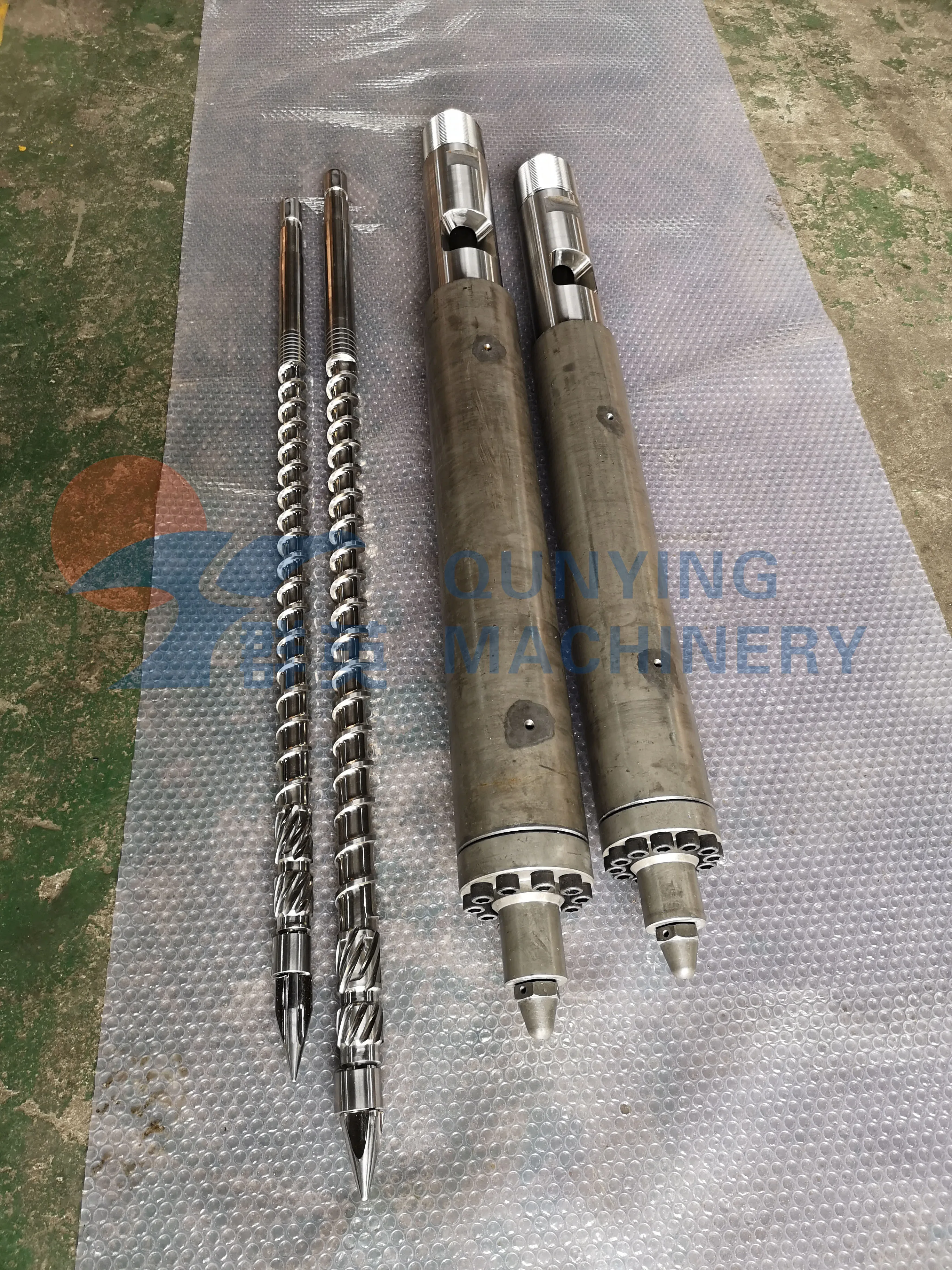
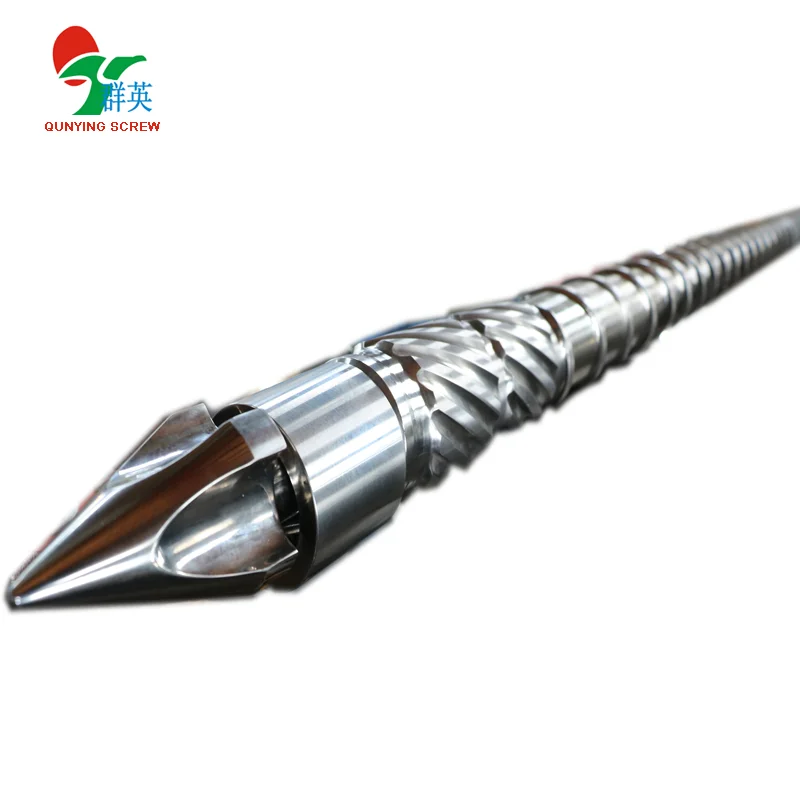
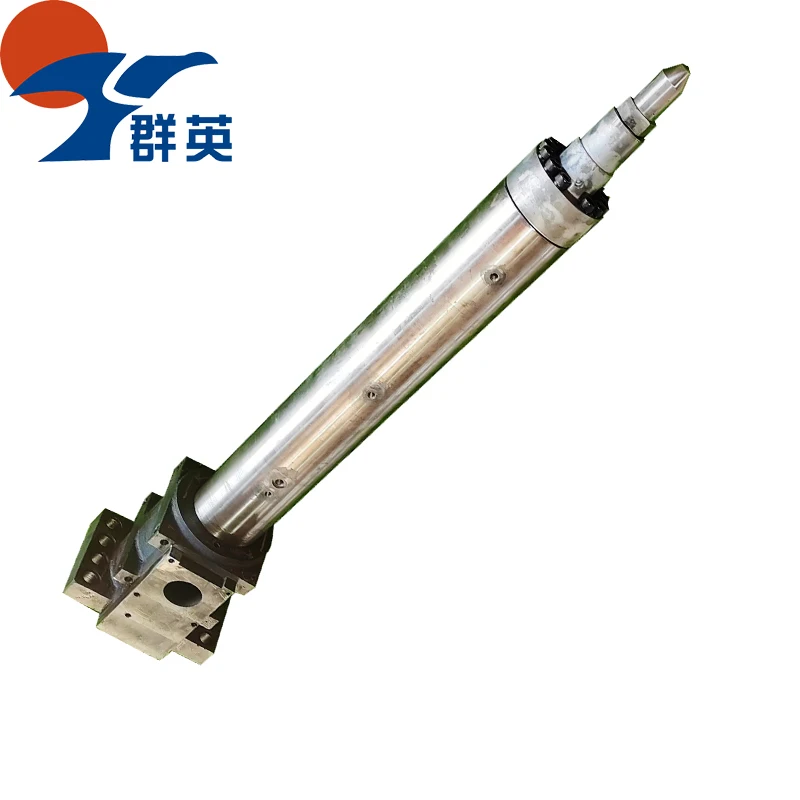
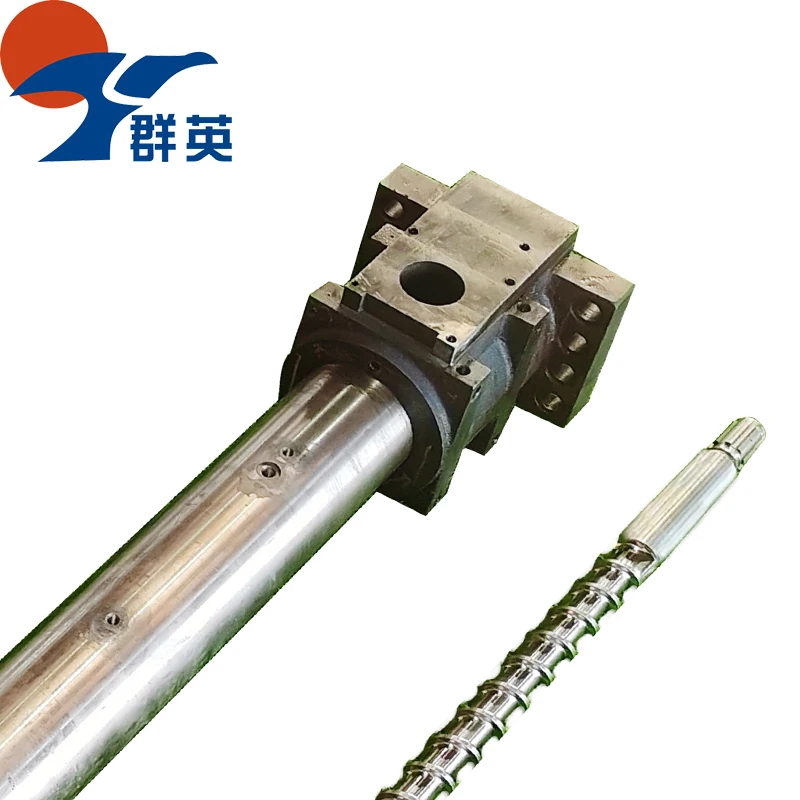
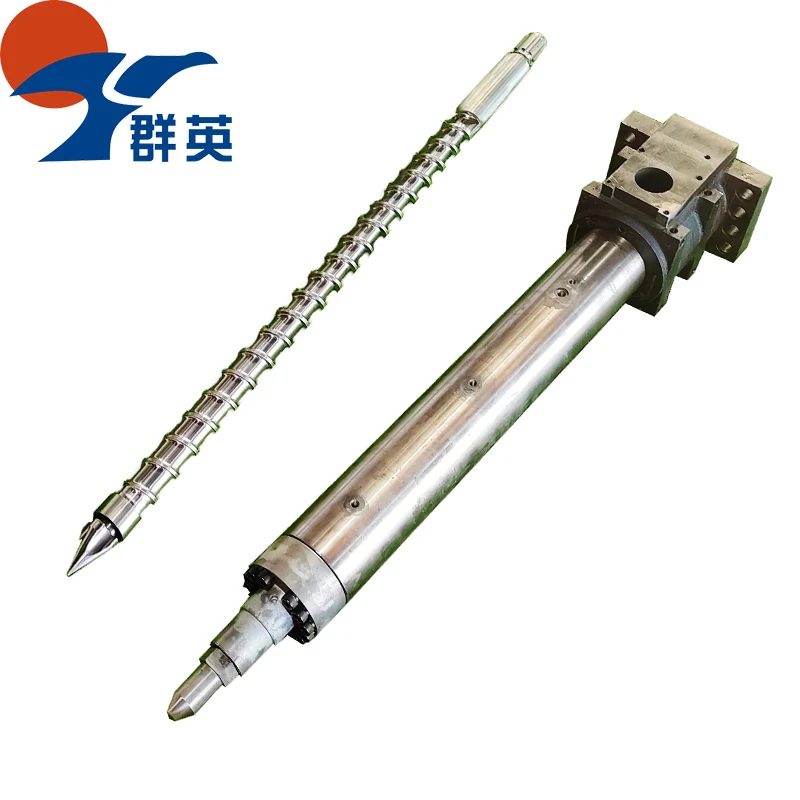
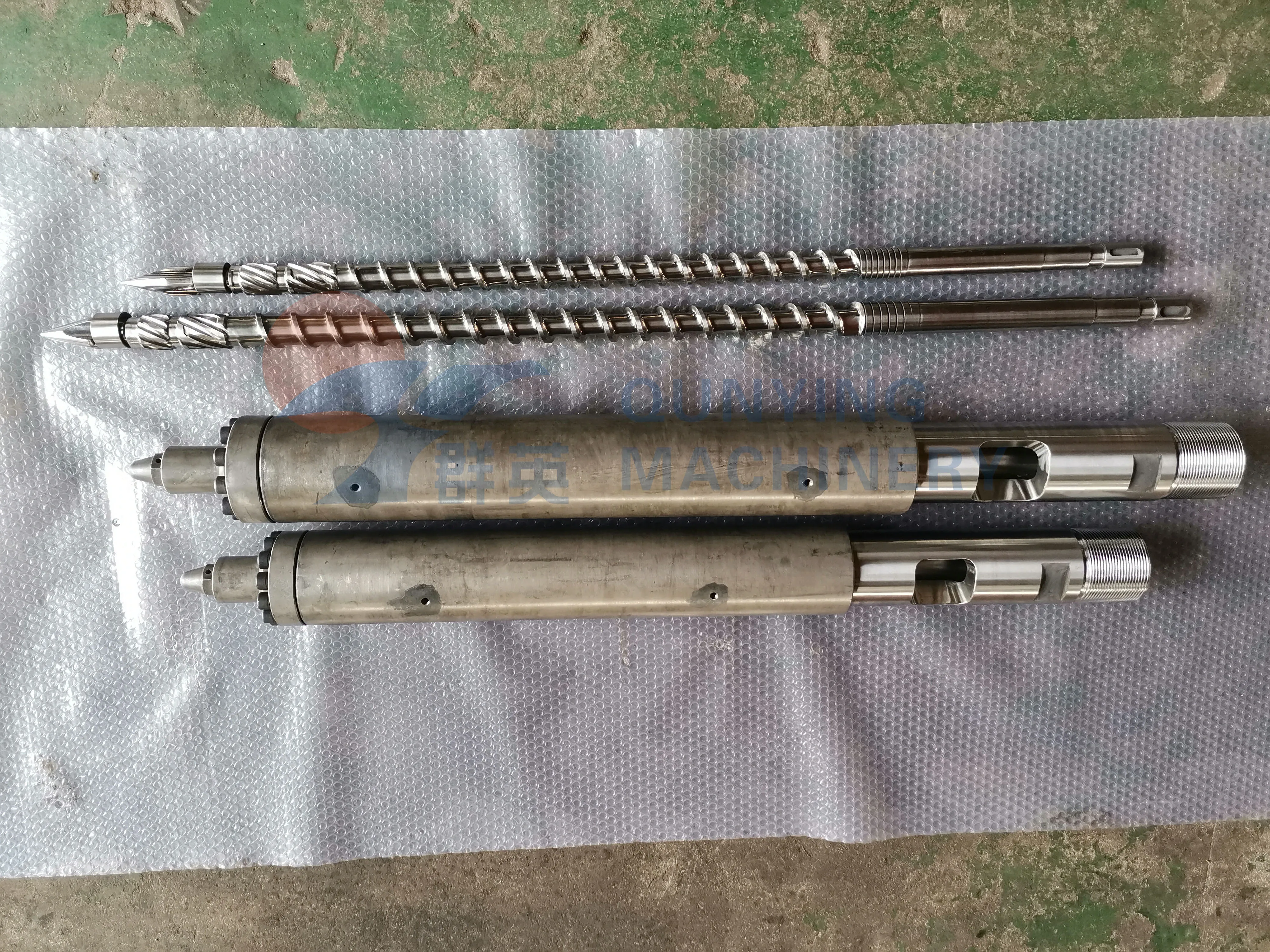
Arburg Bimetallic Screw and Barrel for Plastic Injection Machine

Product overview

Core functionalities

Applicable scenarios

Unique advantages

  • High-Performance Extrusion: The Arburg Bimetallic Screw and Barrel is designed for precision plastic injection molding, enabling efficient material conveying, mixing, and extrusion in high-temperature and high-pressure environments.
  • Bimetallic Construction: Combines durable metal alloys (e.g., stainless steel) with a wear-resistant surface layer to ensure longevity and optimal thermal management during continuous operation.

Key features

  • 1. Corrosion-Resistant Bimetallic Construction

  • With a corrosion-resistant bimetallic design, ensure longevity in high-temperature and high-pressure industrial environments*.

  • 2. Customizable Pitch and Diameter Adjustments

  • With adjustable pitch and diameter configurations, adapt to diverse material processing requirements for optimal performance*.

  • 3. Precision-Engineered Spiral Threading

  • With precision-machined spiral threading, achieve consistent material flow and 25% higher output efficiency compared to standard screws*.

  • 4. Versatile Scenario Solutions

  • Designed for both industrial-scale production and specialized applications, enabling seamless use in automotive, packaging, and medical industries*.

  • 5. ISO-Compliant Durability Standards

  • Constructed to meet ISO industrial safety standards, ensuring reliable performance in demanding manufacturing environments*.

Product details

Arburg Bimetallic Screw and Barrel for Plastic Injection Machine

The Arburg Bimetallic Screw and Barrel is a precision-engineered component for plastic injection machines, designed to enhance material conveyance, mixing, and extrusion efficiency. Crafted from high-grade bimetallic alloys, it offers superior thermal resistance and corrosion protection, ensuring longevity in demanding industrial environments.

Technical specifications

FeatureSpecificationApplication Scenario
MaterialBimetallic construction (stainless steel core + hardened alloy coating)High-temperature plastic extrusion environments
Spiral DesignPrecision-machined helical groovesEnsuring consistent flow in injection molding of complex geometries
DiameterCustomizable from 20mm to 100mmAdaptable to small precision parts or large automotive components
LengthAdjustable up to 1200mmSupports high-volume production lines
Warranty1 yearComprehensive coverage for industrial use

Customization guide

Adjustable diameter and length parameters to meet specific production volume and material viscosity requirements. Custom pitch configurations available for tailored material flow optimization.

Get inspired

Achieve flawless plastic injection molding with the Arburg Bimetallic Screw and Barrel. Its bimetallic construction ensures durability in high-stress environments, while the spiral design guarantees uniform material distribution for defect-free outputs.

Choose your model

ParameterBase ModelAdvanced ModelPro Model
Material HardnessHRC 45HRC 50 (+11%)HRC 55 (+22%)*
Thermal Resistance400°C450°C (+12.5%)500°C (+25%)*
Surface FinishRa 0.8 μmRa 0.6 μm (-25%)Ra 0.4 μm (-50%)*
CustomizationStandard sizesAdjustable pitchFull geometry tuning

Supplier's note

  1. Technical Breakthroughs:

    • Bimetallic Construction: With 22% higher wear resistance than monolithic screws, the Pro Model extends tool life in abrasive polymer applications.
    • Spiral Design Efficiency: Reduced material shear by 18% compared to conventional screws, ensuring clearer surface finishes.
    • Thermal Tolerance: The Pro Model’s 500°C rating enables stable processing of high-temperature plastics like PEEK without deformation.
  2. Version Selection Guidance:

    • Base Model: Ideal for small-to-medium manufacturers producing standard plastic components. Balances cost and reliability.
    • Advanced Model: Targets industries needing enhanced durability (e.g., medical devices) with improved thermal resistance and surface finish.
    • Pro Model: For aerospace and automotive sectors requiring extreme thermal stability (500°C) and ultra-smooth surface finishes (Ra 0.4 μm). Its full customization options optimize performance for niche materials like carbon-fiber-reinforced polymers.

*Comparative benchmarks: Industry-standard screws average HRC 45, 400°C resistance, and Ra 1.0 μm finish.

Frequently asked questions

  • Which Arburg bimetallic screw model suits small manufacturing setups?

  • How to clean and maintain an Arburg bimetallic screw and barrel?

  • Bimetallic vs. standard steel screws: Which is better for high-temperature plastics?

  • Can the Arburg screw’s pitch or diameter be customized for specific plastics?

  • Is the Arburg bimetallic material FDA-approved for food-grade plastic production?

  • What warranty coverage does Arburg offer for their bimetallic screw and barrel?

  • How does the spiral design improve plastic extrusion efficiency?

  • How does the bimetallic construction extend the screw’s lifespan compared to monolithic screws?

Product comparison

CategoryUsage ScenariosCharacteristicsAdvantagesDisadvantages
Material CompositionHigh-wear industrial applications
Industry: Carbon steel (Rockwell C45, ASTM A36)
Base: Bimetallic (Rockwell C55, ▲)
Advanced: Bimetallic + tungsten (Rockwell C65, ▲▲, ISO 15143)

Base offers 20% harder outer layer; Advanced provides 40% harder surface for extreme wear

Advanced is costlier; Base may still wear over prolonged use
HardnessHigh-pressure injection molding
Industry: 45 HRC
Base: 55 HRC (▲)
Advanced: 65 HRC (▲▲)

Base reduces deformation under pressure; Advanced prevents cracking in heavy loads

Advanced requires specialized handling to avoid damage
Wear ResistanceContinuous production cycles
Industry: 0.05mm wear/10k cycles (ISO 13399)
Base: 0.02mm (▲)
Advanced: 0.01mm (▲▲)

Base halves wear; Advanced reduces wear by 80% vs industry standards

Advanced may require coating maintenance; Base needs periodic inspections
Thermal StabilityHigh-temperature plastics (e.g., PEEK)
Industry: 250°C (ASTM D648)
Base: 300°C (▲)
Advanced: 350°C (▲▲)

Base handles high temps; Advanced enables ultra-high-temperature materials

Advanced requires cooling systems to prevent overheating
Corrosion ResistanceChemical exposure environments
Industry: 500h salt spray (ASTM B117)
Base: 1000h (▲)
Advanced: 2000h (▲▲)

Base doubles corrosion resistance; Advanced quadruples it

Base may corrode in aggressive chemicals; Advanced needs protective coatings
Warranty PeriodLong-term investment planning
Industry: 6 months
Base: 1 year (▲)
Advanced: 3 years (▲▲)

Base offers standard coverage; Advanced triples industry warranty lifespan

Advanced has higher upfront cost; Base may require mid-cycle maintenance

Related searches

The Product Description is generated by third-party, and Alibaba.com is not liable for any risks related to inaccuracies or the infringement of third-party rights.

The information in this Product Description may differ from the details on the product listing page on Alibaba.com. Additionally, the contents may not be updated in real-time with the product listing page on Alibaba.com, and there may be delays in reflecting the most updated information. The description on product listing page takes precedence. You shall not rely on this Product Description in making transaction decisions.

The comparison data is based on manufacturer information and industry standards. Actual results may vary depending on individual use cases. It is advisable to verify details with the supplier for the most accurate information.