All categories
Featured selections
Trade Assurance
Buyer Central
Help Center
Get the app
Become a supplier
Customization:
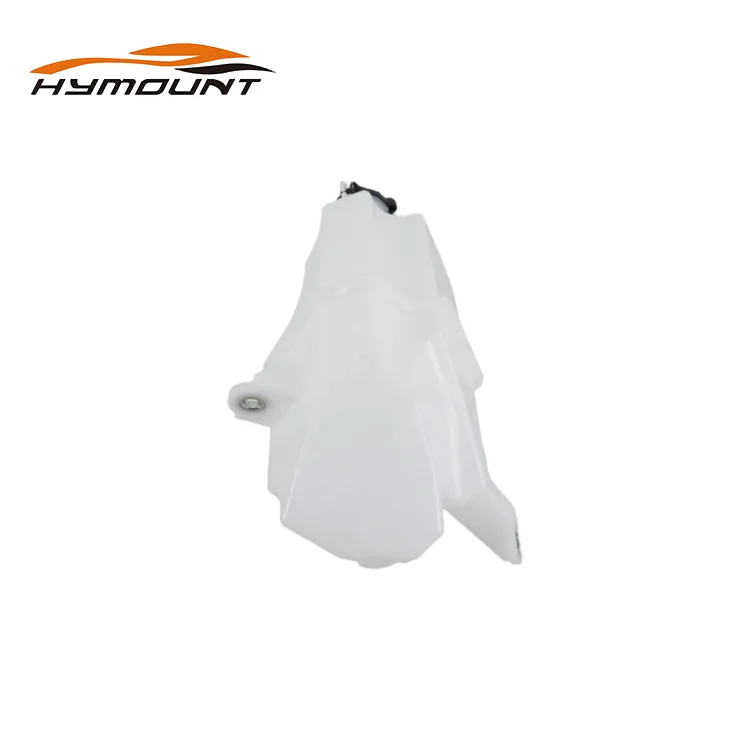
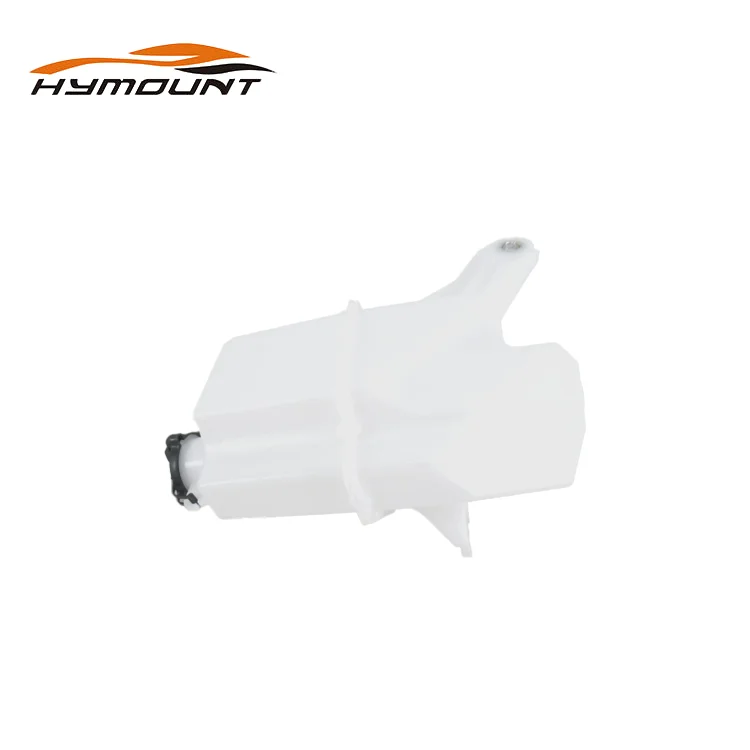
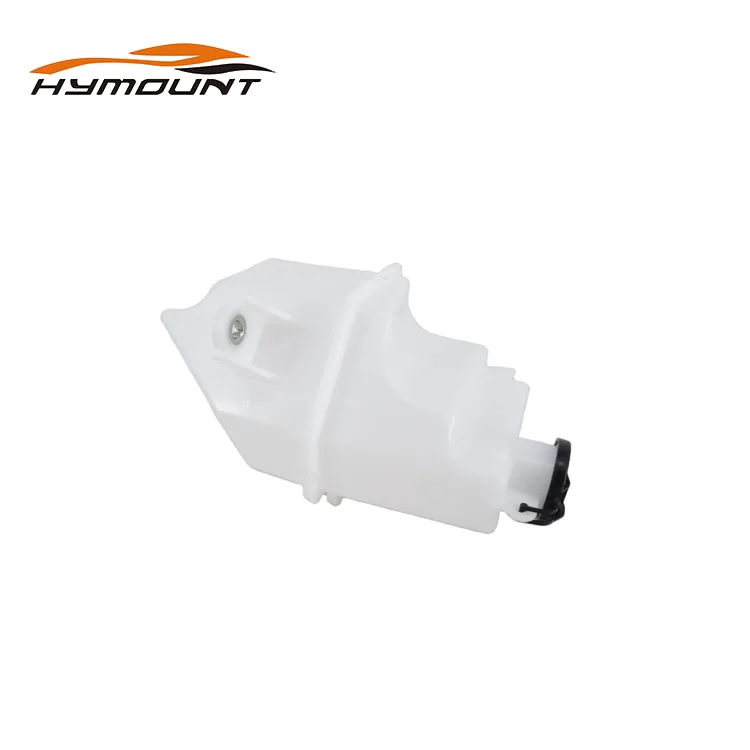
The Auto Part Car Body Spare Parts Washer Tank Windshield Washer Fluid Reservoir is a high-performance coolant reservoir designed for Toyota Camry (2019) and compatible with multiple vehicle brands. Crafted from durable polypropylene, this reservoir ensures reliable thermal management and easy coolant monitoring.
| Feature | Specification | Benefit |
|---|---|---|
| Material | Transparent polypropylene | Enables visual coolant level monitoring |
| Design | Curved shape with mounting protrusions | Secure installation and efficient flow |
| Capacity | 2.5–4.5L (adjustable) | Adapts to varying vehicle requirements |
| Compatibility | Toyota, Lexus, FAW, GAC, Carbodies | Universal fit for multiple car brands |
| Safety Features | Leak-proof seal and pressure resistance | Prevents overheating and system failure |
Adjust material thickness or capacity to meet specific vehicle requirements. For heavy-duty applications, opt for reinforced polypropylene to enhance durability.
With its transparent design, you can monitor coolant levels effortlessly. The leak-proof seal ensures safety even under extreme temperatures. Whether you need a compact reservoir for a Toyota Camry or a robust model for a Lexus, this product adapts to your vehicle’s unique needs.
| Parameter | Base Model | Advanced Model | Pro Model |
|---|---|---|---|
| Material Quality | Standard PP | Reinforced PP (+15%) | Premium PP (+30%)* |
| Capacity Range | 2.5–3.5L | 3.0–4.0L | 3.5–4.5L |
| Compatibility | Toyota | Toyota, Lexus | All listed brands |
| Temperature Range | -30°C to 120°C | -40°C to 130°C | -50°C to 140°C |
Technical Breakthroughs:
Optimal Version Selection:

The Product Description is generated by third-party, and Alibaba.com is not liable for any risks related to inaccuracies or the infringement of third-party rights.
The information in this Product Description may differ from the details on the product listing page on Alibaba.com. Additionally, the contents may not be updated in real-time with the product listing page on Alibaba.com, and there may be delays in reflecting the most updated information. The description on product listing page takes precedence. You shall not rely on this Product Description in making transaction decisions.
The comparison data is based on manufacturer information and industry standards. Actual results may vary depending on individual use cases. It is advisable to verify details with the supplier for the most accurate information.