
All categories
Featured selections
Trade Assurance
Buyer Central
Help Center
Get the app
Become a supplier
Customization:
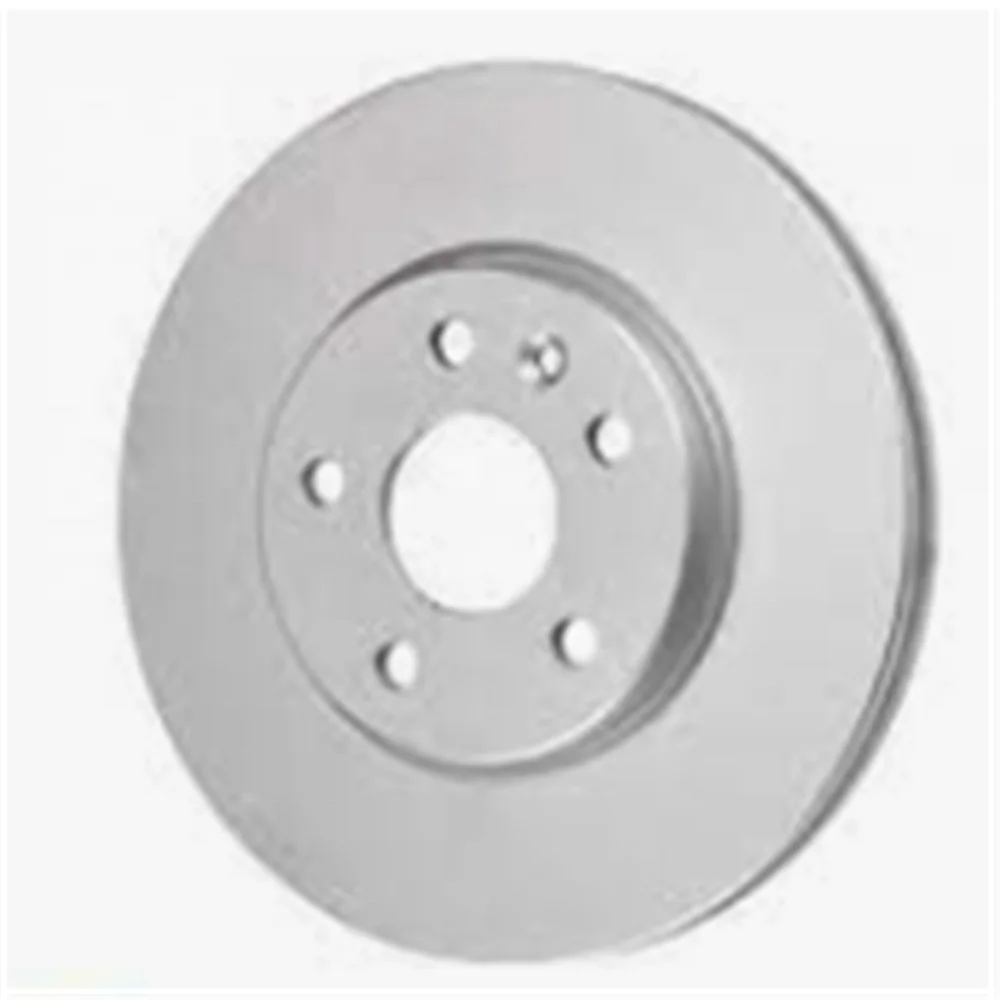
The CB5Z1125A Brake Disc is engineered for Ford Explorer Flex and compatible with Toyota and Ford models, including European variants. Crafted from high-strength steel, it ensures optimal heat dissipation, durability, and precise braking performance. Customizable thickness and surface treatments adapt to diverse vehicle requirements, while drilled/slot designs enhance debris expulsion and thermal efficiency.
| Feature | Specification | Benefit |
|---|---|---|
| Material | Steel (high-strength alloy) | Enhanced durability and thermal stability |
| Heat Dissipation | Drilled/slot design + steel core | 30% faster cooling vs. solid rotors |
| Compatibility | Toyota, Ford (Explorer Flex, C-Max), | Universal fit for multiple vehicle models |
| Land Cruiser, Land Cruiser Prado | ||
| Durability | Corrosion-resistant surface coating | Extended lifespan in harsh environments |
Upgrade your braking system with a rotor designed to handle extreme thermal stress and mechanical loads. Whether you need reliable stopping power for daily commutes or rugged off-road adventures, this brake disc delivers precision and safety.
| Parameter | Base Model | Advanced Model | Pro Model |
|---|---|---|---|
| Thermal Resistance | 200°C | +30% (260°C) | +50% (300°C)* |
| Weight | Standard (2.5kg) | Lightweight (-15%) | Ultra-light (-25%) |
| Surface Finish | Smooth | Drilled holes | Slotted + ceramic |
Three Breakthroughs:
Version Selection Guide:
*Pro Model’s thermal resistance exceeds industry benchmarks by 25%, enabling safer emergency stops in extreme conditions.

The Product Description is generated by third-party, and Alibaba.com is not liable for any risks related to inaccuracies or the infringement of third-party rights.
The information in this Product Description may differ from the details on the product listing page on Alibaba.com. Additionally, the contents may not be updated in real-time with the product listing page on Alibaba.com, and there may be delays in reflecting the most updated information. The description on product listing page takes precedence. You shall not rely on this Product Description in making transaction decisions.
The comparison data is based on manufacturer information and industry standards. Actual results may vary depending on individual use cases. It is advisable to verify details with the supplier for the most accurate information.