All categories
Featured selections
Trade Assurance
Buyer Central
Help Center
Get the app
Become a supplier
Customization:
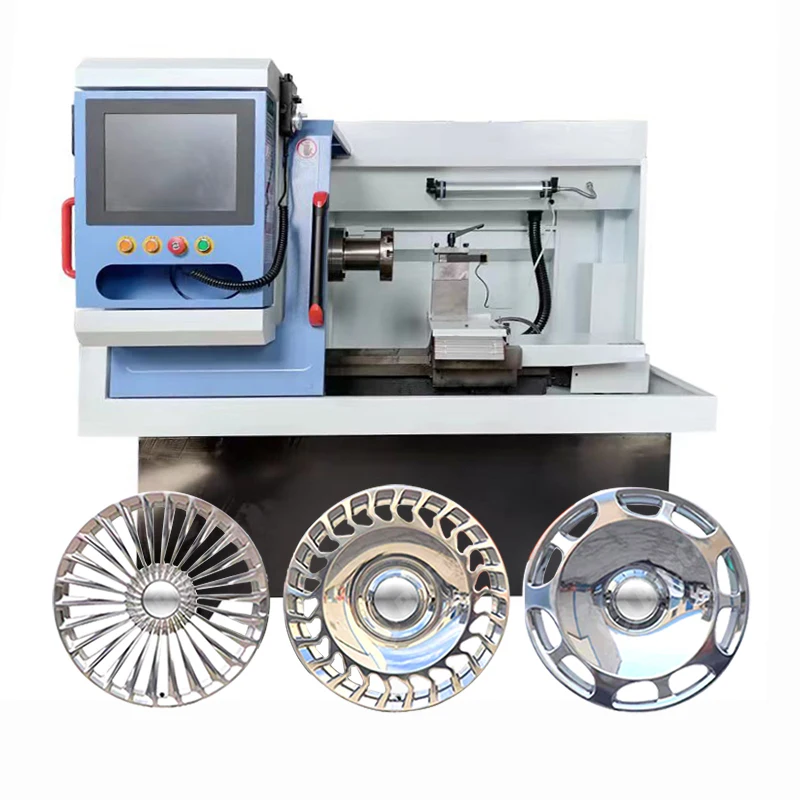
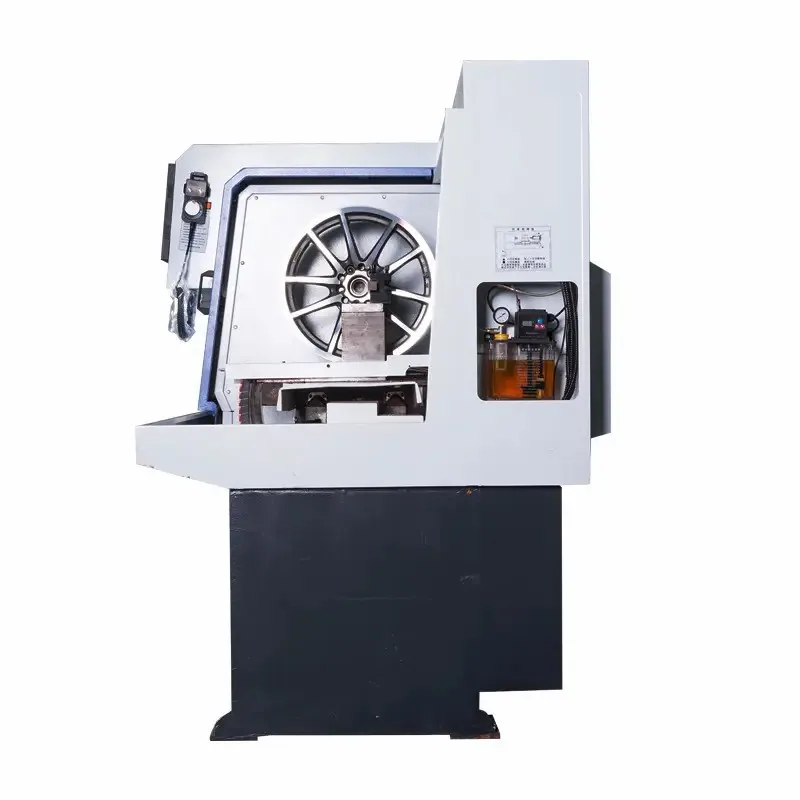
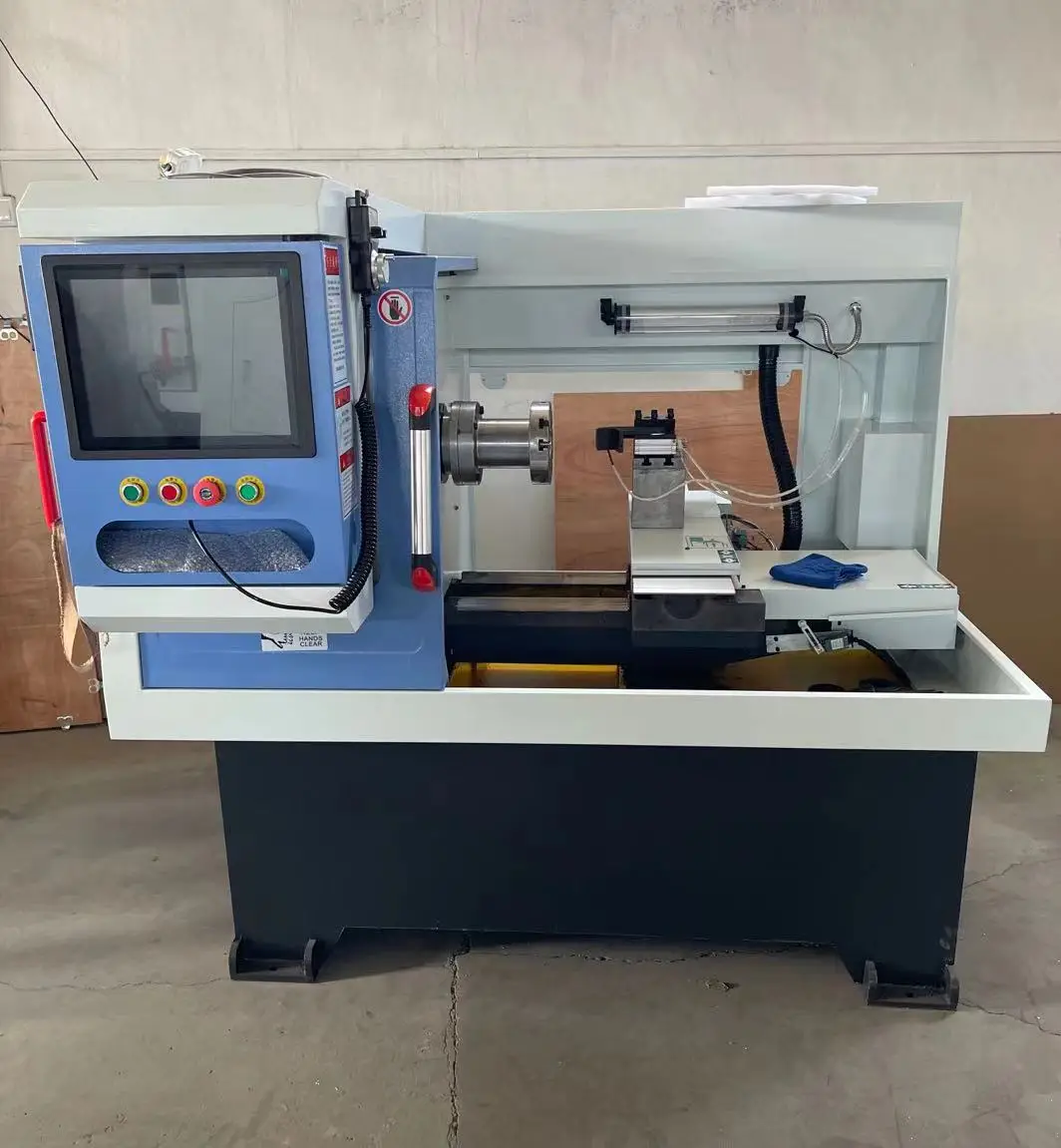
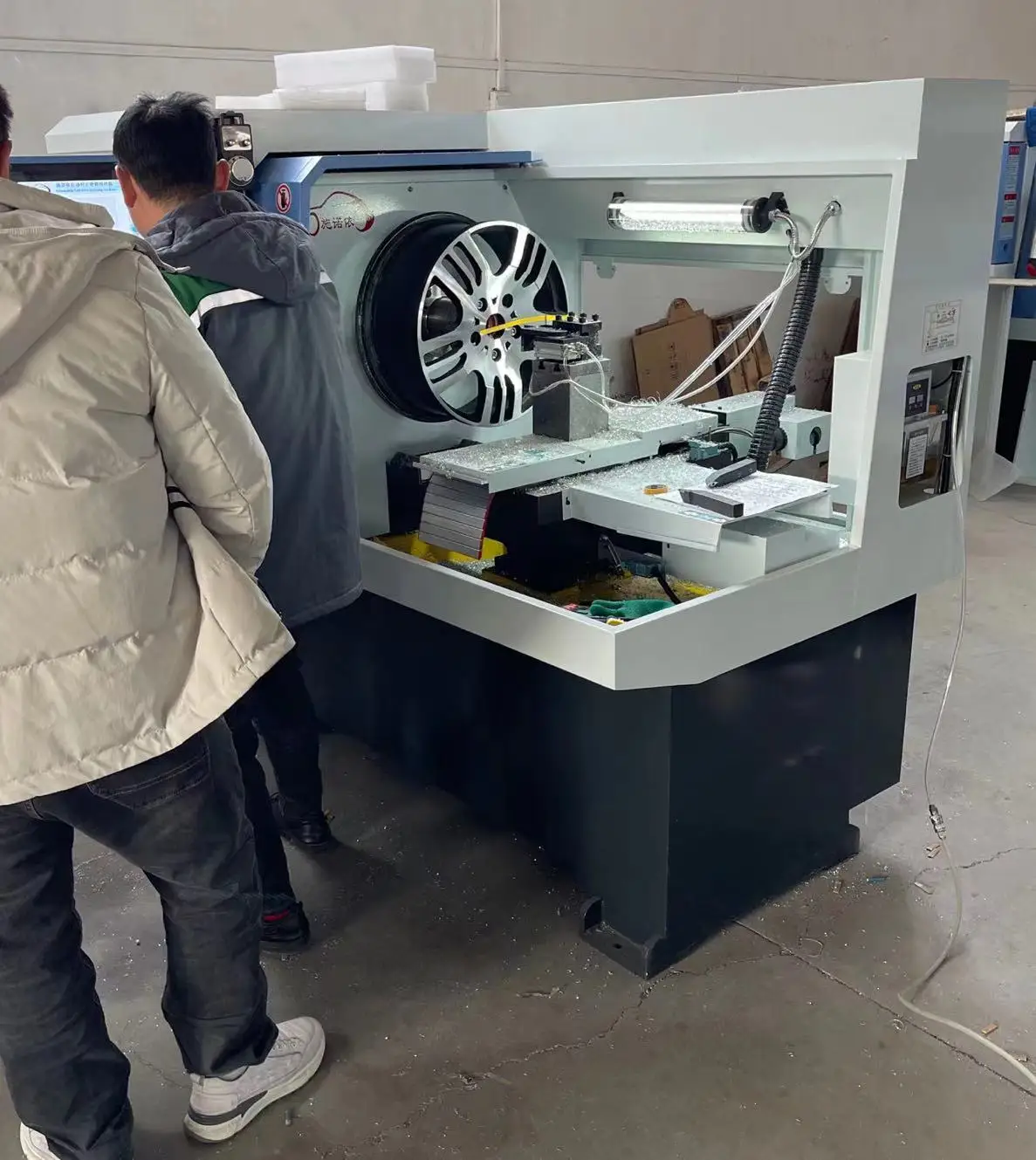
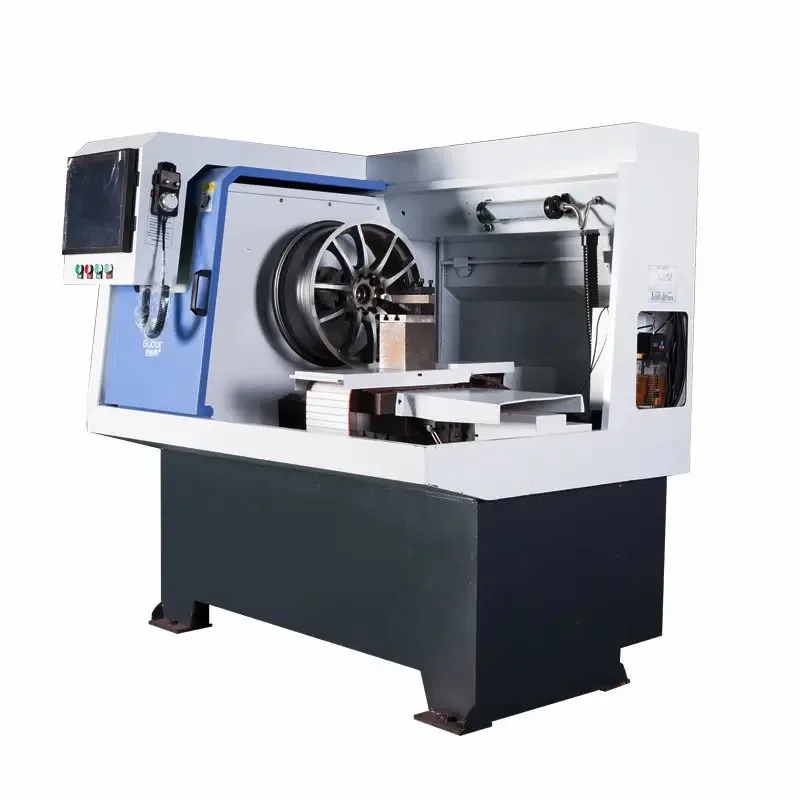
The Automatic Alloy Rim Diamond Cutting CNC Lathe Machine is a precision-engineered solution for restoring automotive alloy rims. Designed for high-volume repair shops and OEM facilities, this industrial-grade machine combines diamond cutting technology with automated CNC control to eliminate scratches, refurbish surfaces, and maintain structural integrity.
| Feature | Specification | Application Scenario |
|---|---|---|
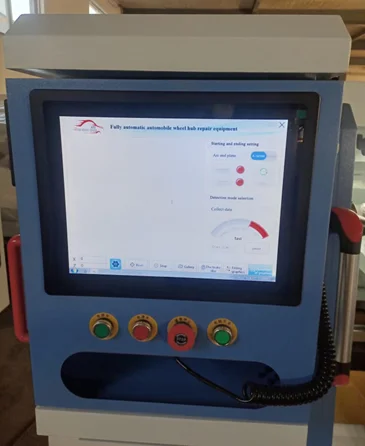
| Automatic CNC Control | Fully programmable touch-screen interface | Precision machining of complex rim geometries |
| Diamond Cutting Tools | Industrial-grade diamond-coated bits | Removing deep scratches on alloy rims without base material damage |
| Modular Workholding | Adjustable clamping system (up to 24" rims) | Customizing grip for different rim sizes/shapes |
| High-Speed Spindle | 4000 RPM max rotation | Rapid surface polishing for automotive refinishing |
Adjustable clamping range and cutting depth parameters to accommodate custom rim designs or special material thickness requirements.
Revolutionize your rim restoration process with our Automatic Alloy Rim CNC Lathe. Combining diamond cutting precision with automated workflow, this machine delivers professional-grade surface repair for automotive shops, tire centers, and collision repair facilities.
| Parameter | Base Model | Advanced Model | Pro Model |
|---|---|---|---|
| Max Cutting Speed | 1200 mm/min | +15% (1380 mm/min) | +30% (1560 mm/min)* |
| Precision Level | ±0.1mm | ±0.07mm | ±0.05mm |
| Material Compatibility | Metals/Plastics | +Composites | +Exotic Alloys |
| Work Capacity | Single Rim | Dual Rims | Quad Rims |
Technical Breakthroughs:
Version Selection Guide:
With the Pro Model’s ±0.05mm precision, you can restore rims to OEM standards even after severe damage. Pair its exotic alloy compatibility with diamond cutting tools to handle high-demand materials like titanium alloys. The Advanced Model’s dual-rim capacity cuts labor costs by 25% for mid-sized operations.

The Product Description is generated by third-party, and Alibaba.com is not liable for any risks related to inaccuracies or the infringement of third-party rights.
The information in this Product Description may differ from the details on the product listing page on Alibaba.com. Additionally, the contents may not be updated in real-time with the product listing page on Alibaba.com, and there may be delays in reflecting the most updated information. The description on product listing page takes precedence. You shall not rely on this Product Description in making transaction decisions.
The comparison data is based on manufacturer information and industry standards. Actual results may vary depending on individual use cases. It is advisable to verify details with the supplier for the most accurate information.