All categories
Featured selections
Trade Assurance
Buyer Central
Help Center
Get the app
Become a supplier
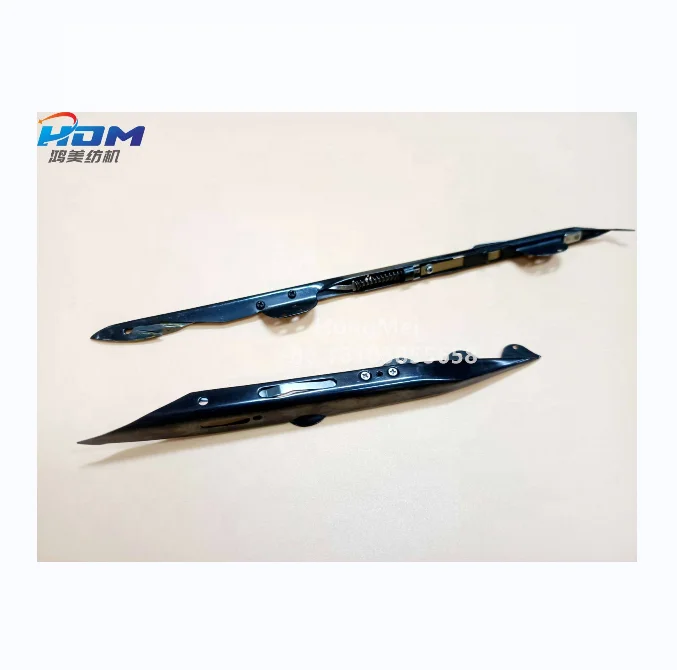
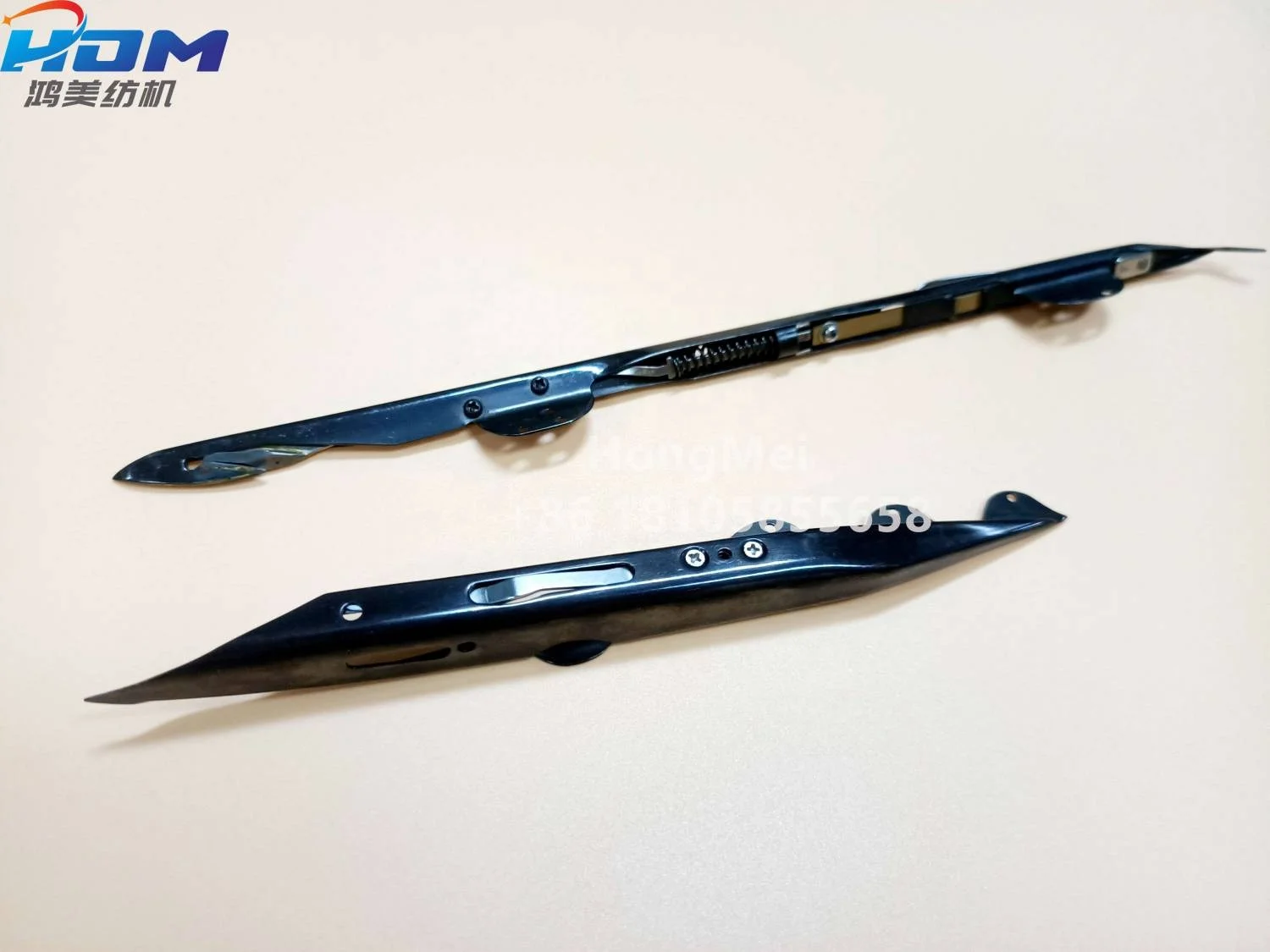
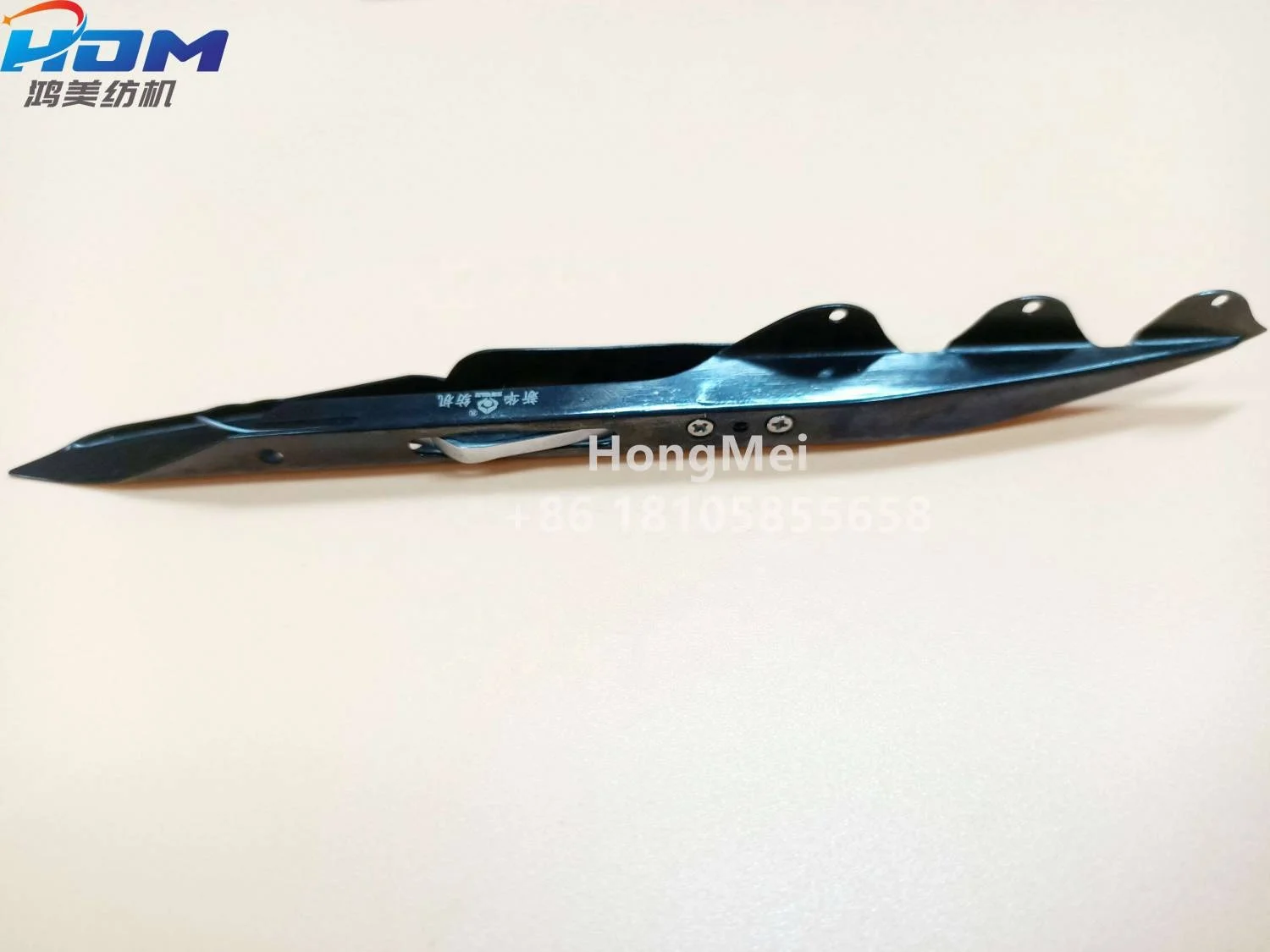
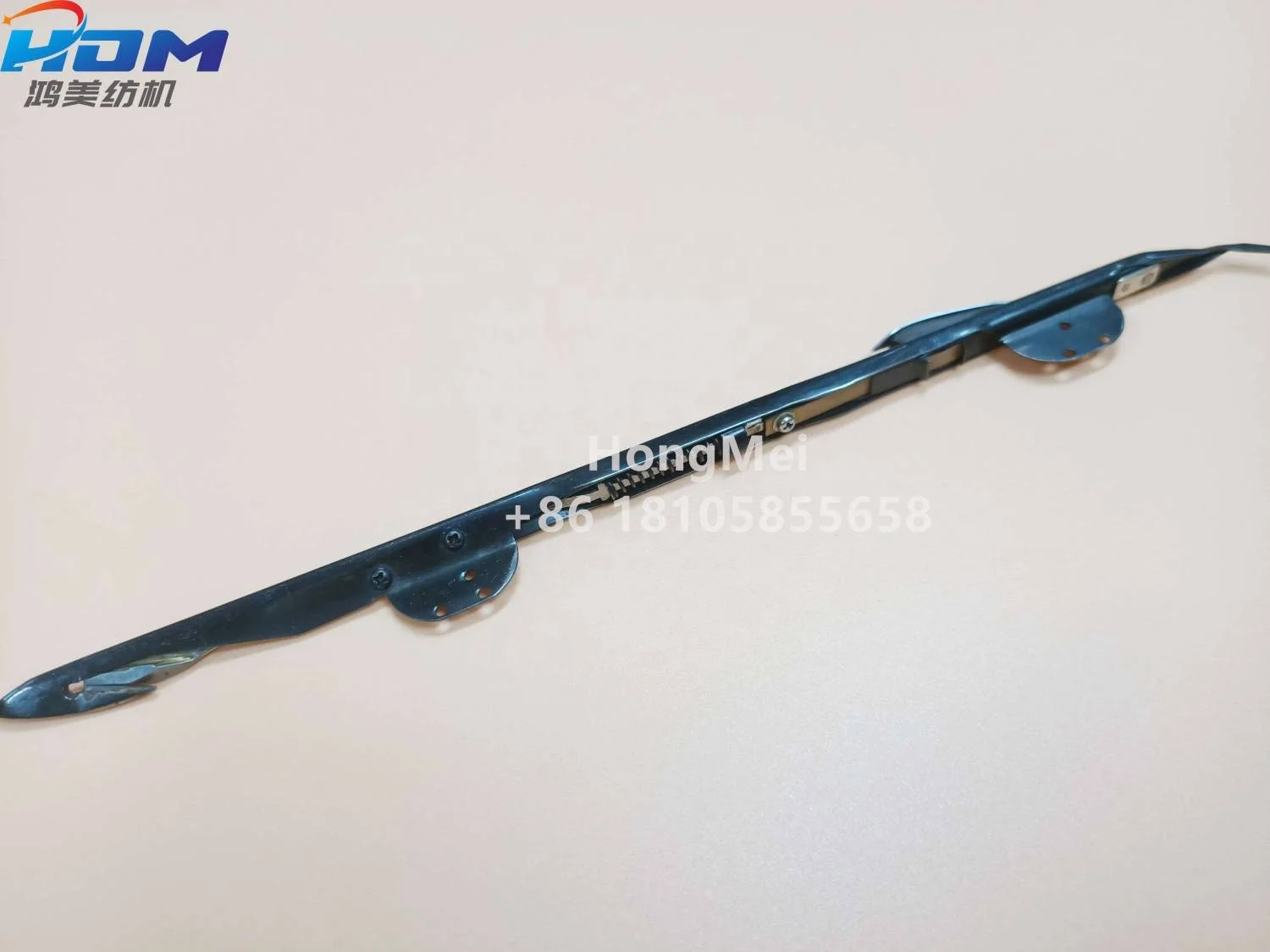
The Best Quality Rapier Head Textile Machine Spare Parts PANTER Rapier Gripper is a precision-engineered component designed for textile machinery. Crafted from durable materials like stainless steel or aluminum alloy, it ensures reliability in high-speed production environments. Its sleek, modern design with a black finish and streamlined shape optimizes functionality while minimizing maintenance needs.
| Feature | Specification | Application Scenario |
|---|---|---|
| Material | Stainless Steel/Aluminum Alloy | Harsh industrial environments, corrosion resistance |
| Design | Sleek, black-finished, modular | Easy assembly/disassembly for maintenance |
| Mechanism | Adjustable spring-tension system | Precision control in rapier head assemblies |
| Durability | Reinforced structural integrity | High-cycle textile machinery operations |
Adjustable spring-tension parameters allow customization to meet specific fabric thickness or production speed requirements. Modular design enables quick replacement of components to adapt to evolving machinery needs.
With its precision-engineered gripper mechanism, this part ensures seamless handling of delicate or high-tension fabrics. Ideal for textile manufacturers seeking reliable, long-lasting machinery components.
| Parameter | Base Model | Advanced Model | Pro Model |
|---|---|---|---|
| Load Capacity | 500N | +15% (575N) | +30% (650N)* |
| Precision | ±0.1mm | ±0.08mm | ±0.05mm |
| Service Life | 10,000 cycles | 11,500 cycles | 13,000 cycles |
Technical Breakthroughs:
Version Selection Guidance:
*Note: Comparative values reflect improvements over industry benchmarks.

The Product Description is generated by third-party, and Alibaba.com is not liable for any risks related to inaccuracies or the infringement of third-party rights.
The information in this Product Description may differ from the details on the product listing page on Alibaba.com. Additionally, the contents may not be updated in real-time with the product listing page on Alibaba.com, and there may be delays in reflecting the most updated information. The description on product listing page takes precedence. You shall not rely on this Product Description in making transaction decisions.
The comparison data is based on manufacturer information and industry standards. Actual results may vary depending on individual use cases. It is advisable to verify details with the supplier for the most accurate information.