All categories
Featured selections
Trade Assurance
Buyer Central
Help Center
Get the app
Become a supplier

Customization:
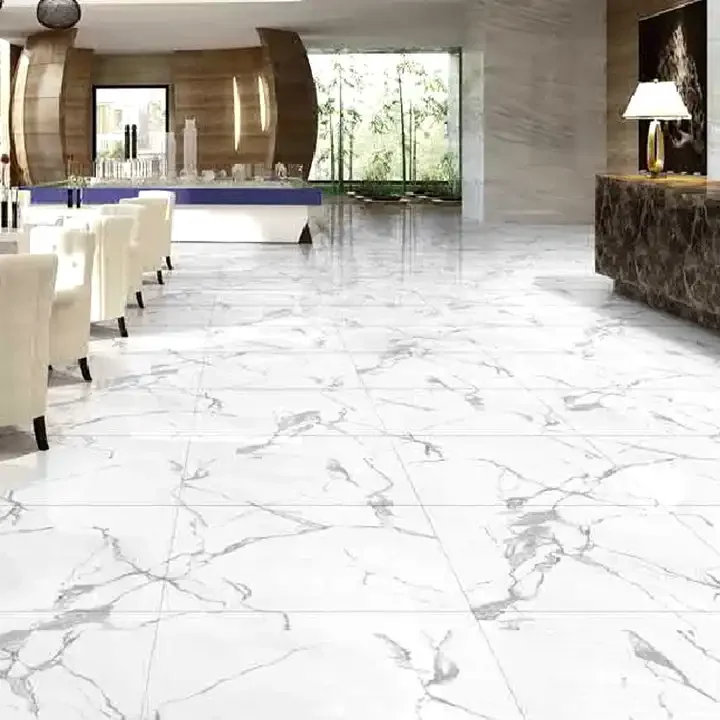
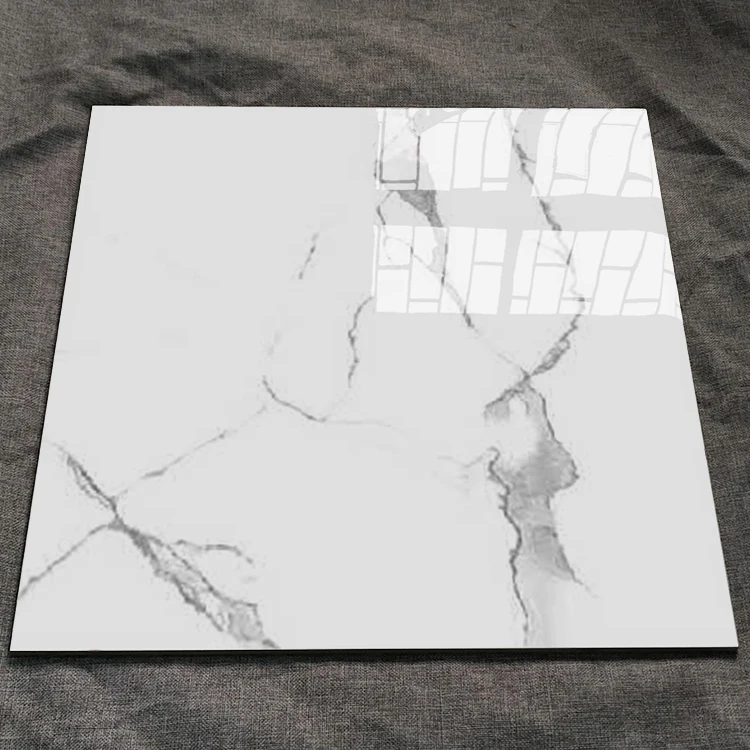
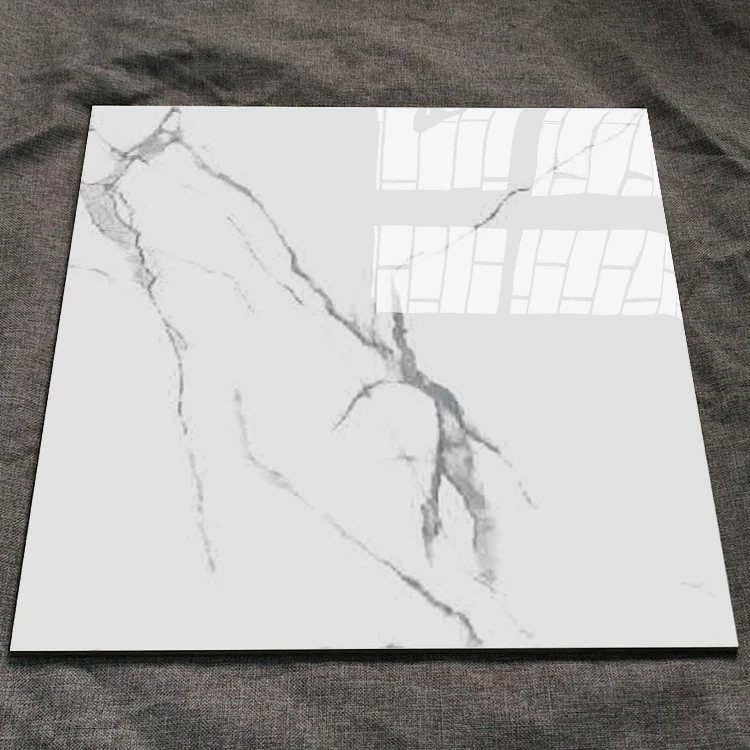
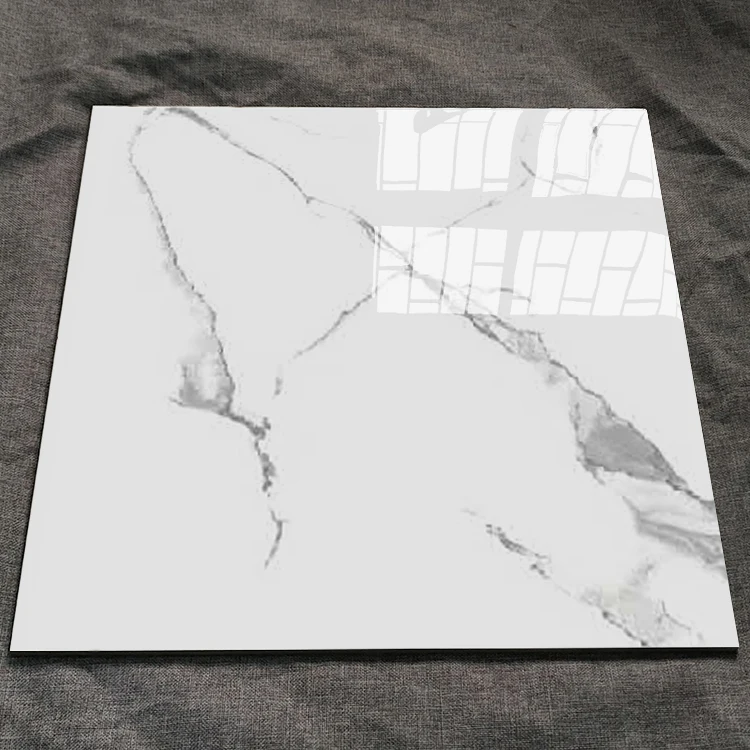
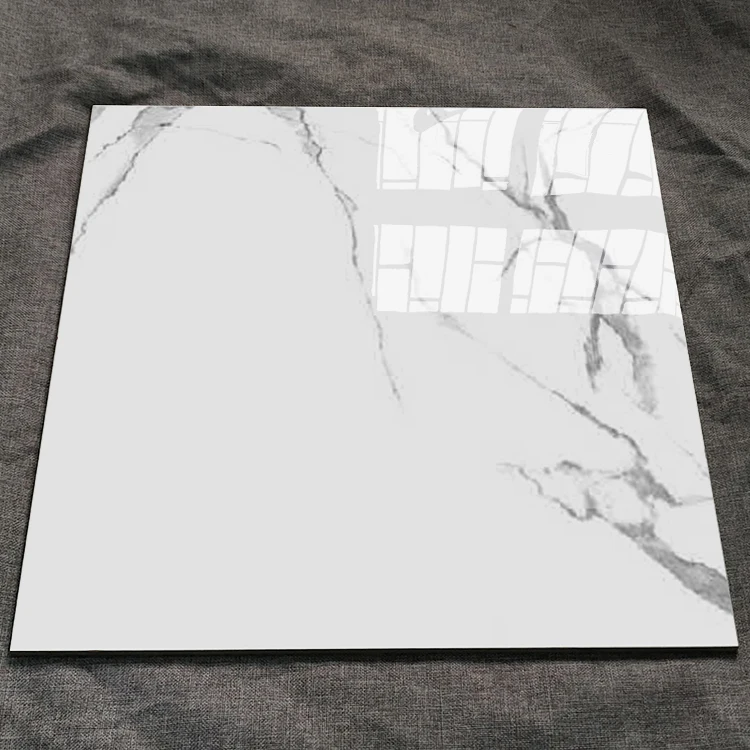
The Polished Porcelanato White Carreaux Porcelain Floor Tiles combine sleek marble-inspired aesthetics with robust technical performance. Crafted from high-quality ceramic and porcelain, these tiles offer polished, glossy surfaces ideal for modern interiors. Certified to SASO, EN 14411, and CE standards, they deliver heat insulation, acid resistance, and antibacterial properties, making them versatile for indoor spaces like hotels, kitchens, and living areas.
| Feature | Specification | Application Scenario |
|---|---|---|
| Material | Ceramic/Porcelain | Durable flooring and wall cladding |
| Surface Finish | Polished, glossy/glazed | High-end residential and commercial spaces |
| Resistance | Wear-resistant, acid-resistant | Heavy-traffic areas (e.g., hotel lobbies) |
| Safety | Non-slip surface | Bathrooms and kitchens |
| Fire Performance | Firebrick compliant | Flame-retardant zones |
| Hygiene | Antibacterial | Healthcare and food service environments |
Adjustable sizes (30x30cm to 60x60cm) and customizable veining patterns can meet specific interior design needs. For commercial projects, opt for thicker slabs for enhanced durability.
With their marble-like veining and glossy finish, these tiles create a sophisticated ambiance. Use them as a statement backsplash in modern kitchens or as seamless flooring in luxury hotel suites.
| Parameter | Base Model | Advanced Model | Pro Model |
|---|---|---|---|
| Slip Resistance | Standard (R9) | +15% (R10) | +30% (R11)* |
| Heat Insulation | 0.8 W/m·K | Enhanced (1.0 W/m·K) | Premium (1.2 W/m·K) |
| Durability | 1000 N | 1200 N (+20%) | 1500 N (+50%) |
Technical Breakthroughs:
Optimal Version Selection:
With the Pro version’s R11 slip resistance, you can ensure safety in wet zones like swimming pool areas. Pair its firebrick compliance with heat insulation to create safe, energy-efficient spaces.

The Product Description is generated by third-party, and Alibaba.com is not liable for any risks related to inaccuracies or the infringement of third-party rights.
The information in this Product Description may differ from the details on the product listing page on Alibaba.com. Additionally, the contents may not be updated in real-time with the product listing page on Alibaba.com, and there may be delays in reflecting the most updated information. The description on product listing page takes precedence. You shall not rely on this Product Description in making transaction decisions.
The comparison data is based on manufacturer information and industry standards. Actual results may vary depending on individual use cases. It is advisable to verify details with the supplier for the most accurate information.