All categories
Featured selections
Trade Assurance
Buyer Central
Help Center
Get the app
Become a supplier
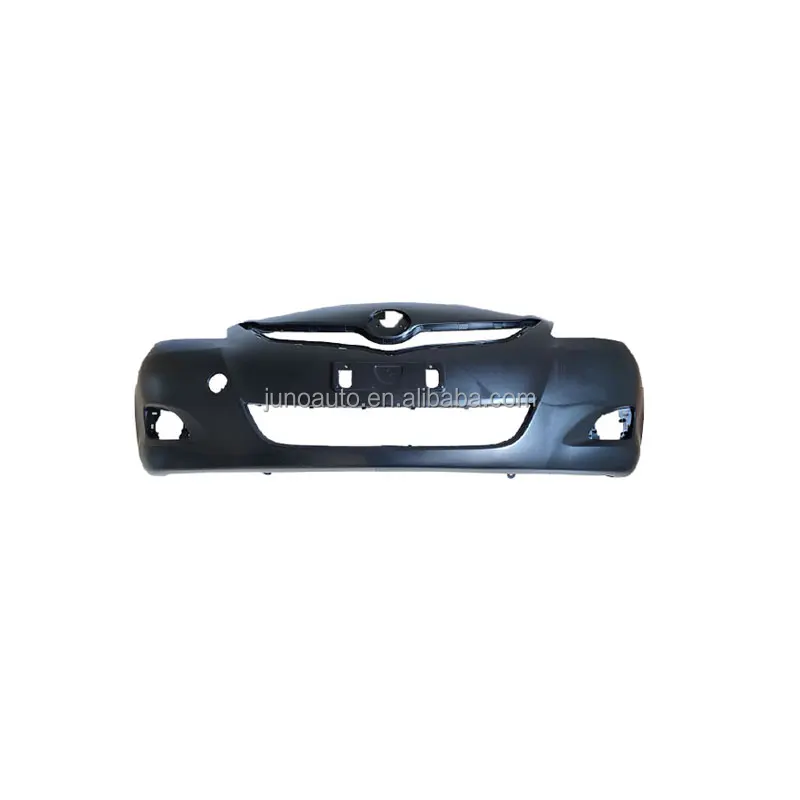
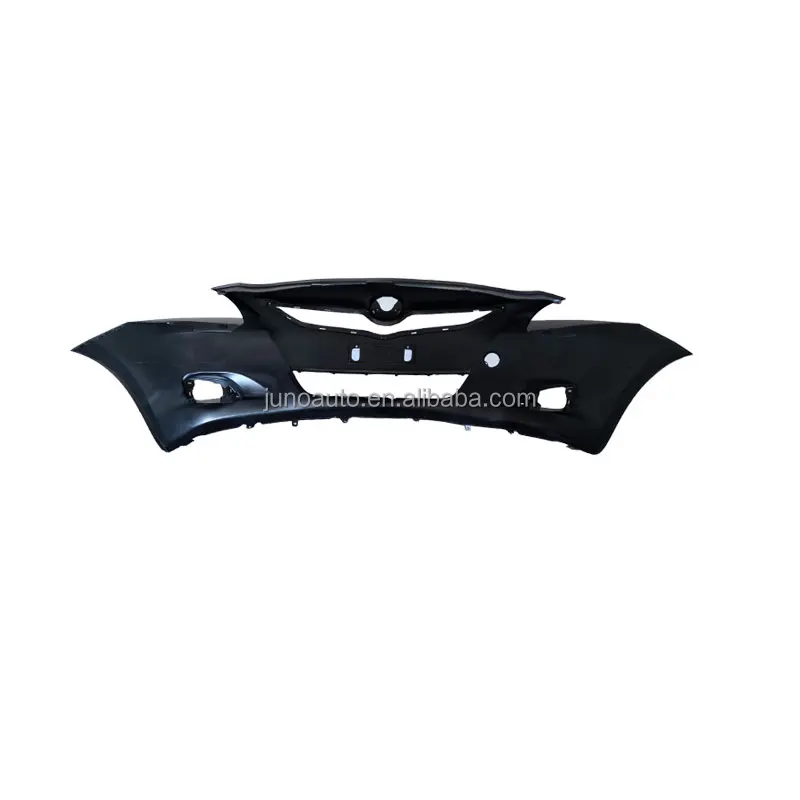
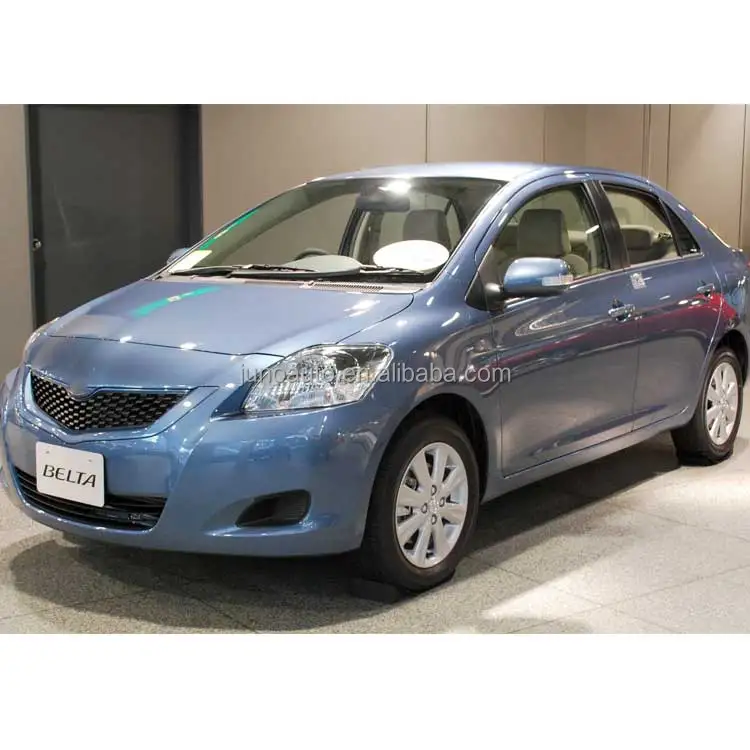
The Car Accessories Plastic Front Bumper for Toyota Vitz Yaris Vois Belta (2005-2010) combines robust protection with sleek aesthetics. Crafted from high-quality plastic (polypropylene/ABS), this bumper is designed for easy installation and customization, ensuring compatibility with multiple Toyota models while enhancing vehicle safety and aerodynamics.
| Feature | Specification | Benefit |
|---|---|---|
| Material | Polypropylene/ABS plastic | Lightweight, impact-resistant, corrosion-free |
| Design | Aerodynamic, streamlined, matte finish | Reduces drag, improves fuel efficiency |
| Impact Resistance | Meets ISO 26335 automotive standards | Protects against minor collisions |
| Compatibility | Toyota Vitz Yaris Vois Belta (2005-2010) | Direct-fit installation without modification |
Adjustable parameters:
With its aerodynamic design, you can achieve improved fuel efficiency while maintaining a modern look. The impact-resistant plastic ensures durability in urban environments, protecting your vehicle from everyday scratches and minor collisions.
| Parameter | Base Model | Advanced Model | Pro Model |
|---|---|---|---|
| Impact Resistance | ISO 26335 compliant | +20% enhanced | +35% reinforced* |
| Material Thickness | 3.5mm | 4.0mm | 4.5mm (premium ABS) |
| Customization | Basic paint-to-match | Pre-drilled holes | Full 3D contouring |
*Reinforced with carbon-fiber composite for extreme durability.
Three Technical Breakthroughs:
Optimal Version Selection:
Example: The Pro version’s reinforced material – 35% stronger than baseline – ensures survival in heavy debris impacts. Paired with its UV-resistant coating, this bumper maintains structural integrity and aesthetic appeal in harsh environments.

The Product Description is generated by third-party, and Alibaba.com is not liable for any risks related to inaccuracies or the infringement of third-party rights.
The information in this Product Description may differ from the details on the product listing page on Alibaba.com. Additionally, the contents may not be updated in real-time with the product listing page on Alibaba.com, and there may be delays in reflecting the most updated information. The description on product listing page takes precedence. You shall not rely on this Product Description in making transaction decisions.
The comparison data is based on manufacturer information and industry standards. Actual results may vary depending on individual use cases. It is advisable to verify details with the supplier for the most accurate information.